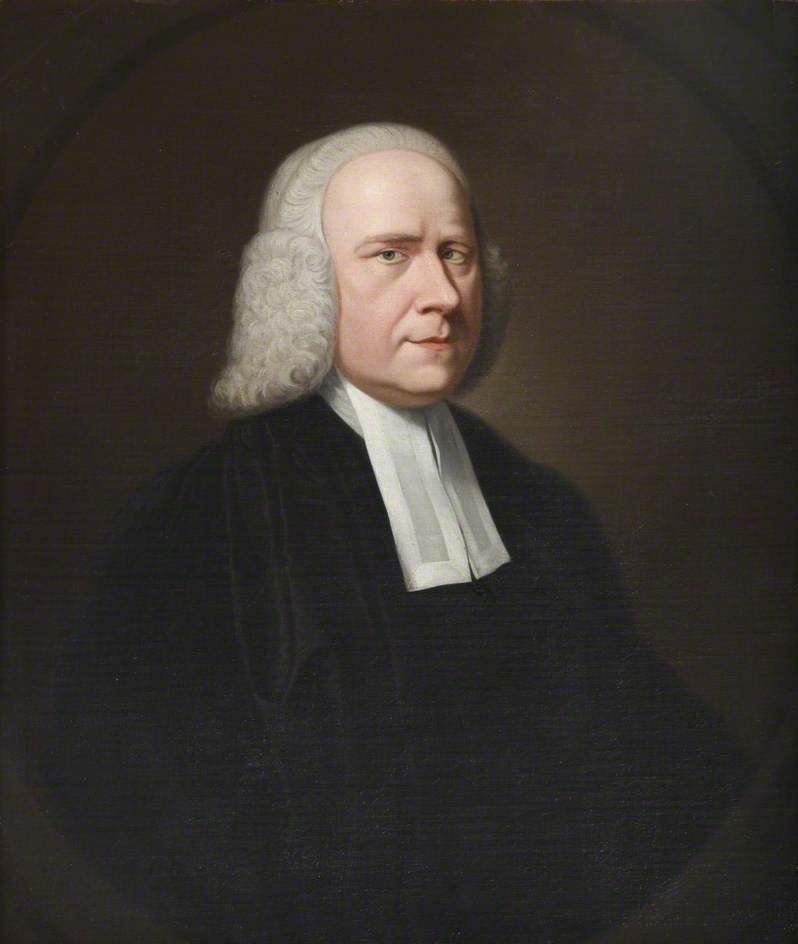
In George Whitefield's sermon "A Repentant Heart," the central theological theme revolves around the necessity of genuine repentance for salvation, emphasized through scriptural references such as Luke 13:3 and 1 Timothy 2. Whitefield argues that true repentance transforms the corrupt human character into a renewed one, challenging the notion of free will by stating that apart from divine intervention, humanity's inclination is towards sin. He stresses that repentance involves deep sorrow, hatred for sin, and a decisive abandonment of one's past life, reinforcing the call for all individuals to earnestly pursue repentance before facing eternal separation from God. The practical significance of this message lies in its urgent appeal to sinners, warning of the dire consequences of unrepented sin while highlighting the richness of God's mercy available through Christ, thus motivating listeners toward genuine faith and transformation.
Key Quotes
“Unless you repent, you too will all perish.”
“True repentance will entirely change you... Then and then only will you delight in God, in Christ, in his law, and in his people.”
“The first cause of repentance is God. It is God. God is the author of repentance.”
“Today it is easy to plead with him, and he will listen. But after your death, all your tears and prayers will be in vain.”
The Bible teaches that repentance is essential for salvation and involves a complete turning away from sin toward God.
Repentance is crucial in the Christian faith as evidenced by Scripture, especially in Luke 13:3, which states, 'Unless you repent, you too will all perish.' True repentance entails recognizing the severe nature of our sins and turning away from them, coupled with a sincere grief for our wrongdoings. It involves a transformation of heart and character, where one’s will is aligned with God’s will. A genuine act of repentance is not merely a one-time confession but a continuous act of turning back to God, seeking His grace and forgiveness through the merits of Jesus Christ. It is necessary because a holy God cannot accept unrepentant sinners into His presence, which is ultimately detrimental for one's eternal destiny.
Luke 13:3, 1 Timothy 2
True repentance is evidenced by a change in heart, turning away from sin, and a new desire to follow God’s will.
True repentance is indicated by a profound internal change that affects the whole being—mind, will, and emotions. This transformation reflects a genuine sorrow for sin not just for the fear of judgment, but out of love for God. It manifests as a hatred for one’s previous sins and a resolved rejection of them in pursuit of holiness. Genuine repentance is characterized by a noticeable change in behavior, where the individual displays new inclinations, desires, and habits that align with God's commands. Moreover, this repentance is continually acted upon, demonstrating an ongoing relationship with God and growth in holiness, as one strives to live in alignment with His will, which Paul exemplified by acknowledging himself as the 'chief of sinners' yet experienced God’s mercy (1 Timothy 1:15).
1 Timothy 1:15
Repentance is vital for Christians as it reconciles us with God and assures us of His mercy and grace.
For Christians, repentance plays a critical role in maintaining an authentic relationship with God. It is not merely a gateway to salvation but an essential aspect of the believer's continuous walk with Christ. According to 1 Timothy 2 and biblical teachings throughout, unrepentance leads to separation from God and eternal consequences. Repentance signifies recognition of our sinfulness and the need for a Savior. It is through this acknowledgment and turning away from sin that we find restoration and the assurance of God’s grace. God’s willingness to forgive is emphasized by the example of Jesus’ mercy towards sinners. The continual practice of repentance allows Christians to grow in their faith, live in the freedom of grace, and be empowered to fight against the temptations of sin, demonstrating a life that reflects God's glory.
1 Timothy 2, Luke 13:3
Comments
Your comment has been submitted and is awaiting moderation. Once approved, it will appear on this page.
Be the first to comment!
