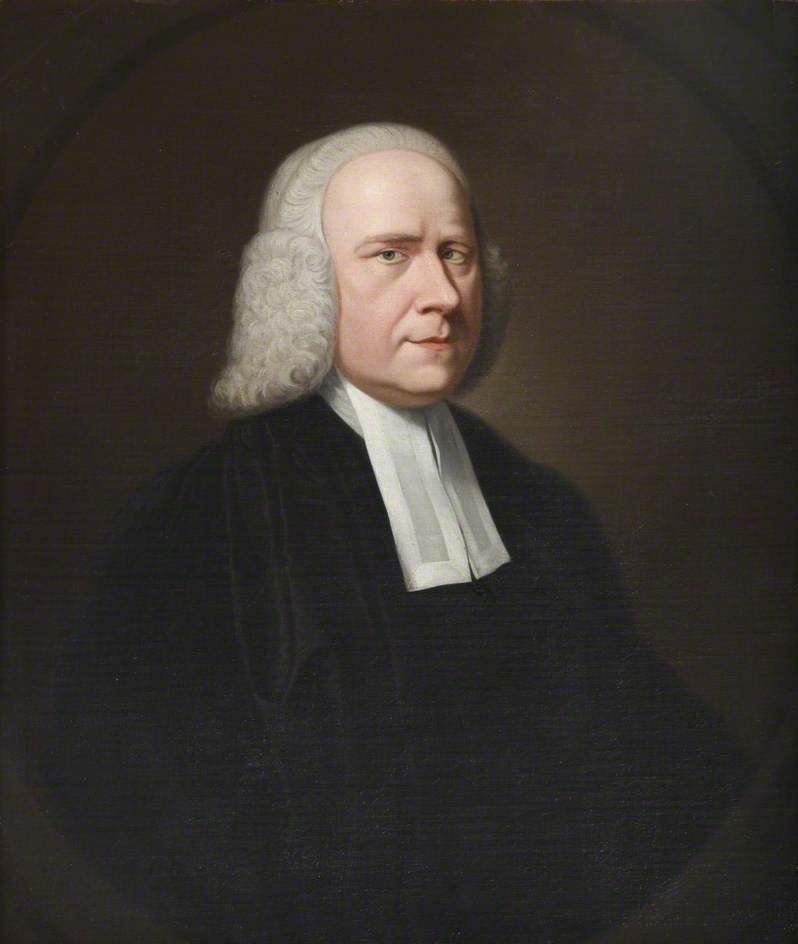
George Whitefield's sermon "The Resurrection of Lazarus" examines the theological significance of Jesus's miracle of raising Lazarus from the dead, as recounted in John 11, while grounding the discussion in Reformed doctrines regarding divine sovereignty and the nature of faith. Whitefield articulates that Lazarus's resurrection serves as a profound testament to Christ's divine authority and illustrates the interplay of faith, suffering, and God's glory. Utilizing Scripture from John 11 and tying it to 1 Corinthians 15, he emphasizes Jesus's role as both the resurrection and the life, and presents this miracle as a demonstration of God's compassionate intervention in human despair. Practically, the sermon urges believers to trust in God's timing and sovereignty, highlighting the importance of faith even amid disappointment, and encourages spiritual awakening among those still in death, or spiritual deadness, providing a call to repentance alongside assurance of God's grace.
“The dead man came out, his hands and feet wrapped with strips of linen and a cloth around his face.”
“Did I not tell you that if you believed you would see the glory of God?”
“Oh, that God would take my preaching upon the resurrection of Lazarus today and make it have the same blessed effects upon you as the sight of it had upon some of the bystanders in the Scriptures.”
“Your spirit, which you have within you, is as literally dead to God and as truly dead in trespasses and sins as the body of Lazarus was in the tomb.”
The Bible details the resurrection of Lazarus in John 11, showcasing Jesus' power over death and His identity as the Messiah.
John 11:43-44
Jesus' identity as the Messiah is affirmed by His miraculous deeds, including the raising of Lazarus from the dead.
John 11:4, John 11:25-26
The resurrection of Jesus and the promise of eternal life are central to the Christian faith, signifying victory over sin and death.
1 Corinthians 15:14-17, John 11:25-26
Jesus displayed His love for Lazarus by weeping at his grave and ultimately raising him from the dead.
John 11:35-42
Auto-generated transcript • May contain errors

Comments
Your comment has been submitted and is awaiting moderation. Once approved, it will appear on this page.
Be the first to comment!