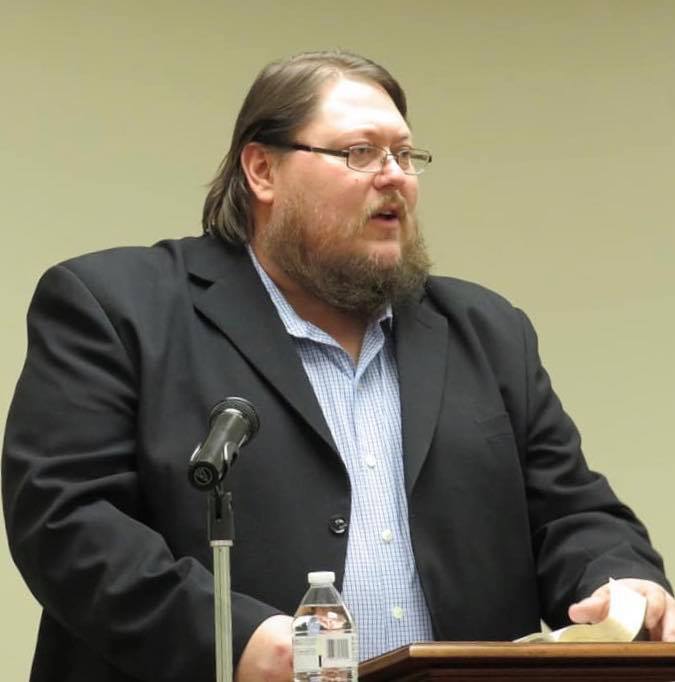
In Mikal Smith's sermon titled "Lazarus and the Effectual Call," he explores the doctrine of the effectual call of God through the narrative of Lazarus's resurrection in John 11:1-45. The sermon emphasizes that Lazarus represents every believer who is spiritually dead before being called to life through Christ. Smith articulates that effectual calling, or irresistible grace, is God's sovereign work that grants spiritual life to those dead in sin. This is underscored with various scripture references, such as 2 Timothy 1:9, which speaks to God's purpose and grace given before the foundation of the world, and John 5:25, highlighting the dual aspects of physical and spiritual resurrection. The practical significance of the sermon lies in its encouragement to understand salvation as wholly a work of God, fostering a reliance on divine grace rather than human effort, while also preparing believers for conflicts arising from their transformed status in Christ.
“The effectual call...is the tender influence of God upon the heart, where we who are dead in trespasses and sins, whose heart is stone, the Lord in grace removes that heart and puts in a heart of flesh.”
“Only the one who can give life can bring somebody back to life. See, the dead cannot understand. The dead must be raised from death to life by the power of God.”
“There's going to be conflict because of God...they wanted to kill Lazarus because Jesus raised him from the dead.”
“Everyone who is quickened will be converted...the Bible says that all that the Father giveth me shall come to me.”
The effectual call is God's irresistible grace that brings spiritual life to the dead sinner.
2 Timothy 1:9, John 11:1-45
Irresistible grace is validated by Scripture, demonstrating that God effectively calls His chosen ones to life.
John 5:24, John 11:1-45
Total depravity underscores the inability of humans to seek God without divine intervention.
Ezekiel 36:26, John 11:1-45
Yes, spiritual regeneration is a sovereign act of God that does not rely on human cooperation.
John 3:8, John 11:1-45
Auto-generated transcript • May contain errors

Comments
Your comment has been submitted and is awaiting moderation. Once approved, it will appear on this page.
Be the first to comment!