Bootstrap
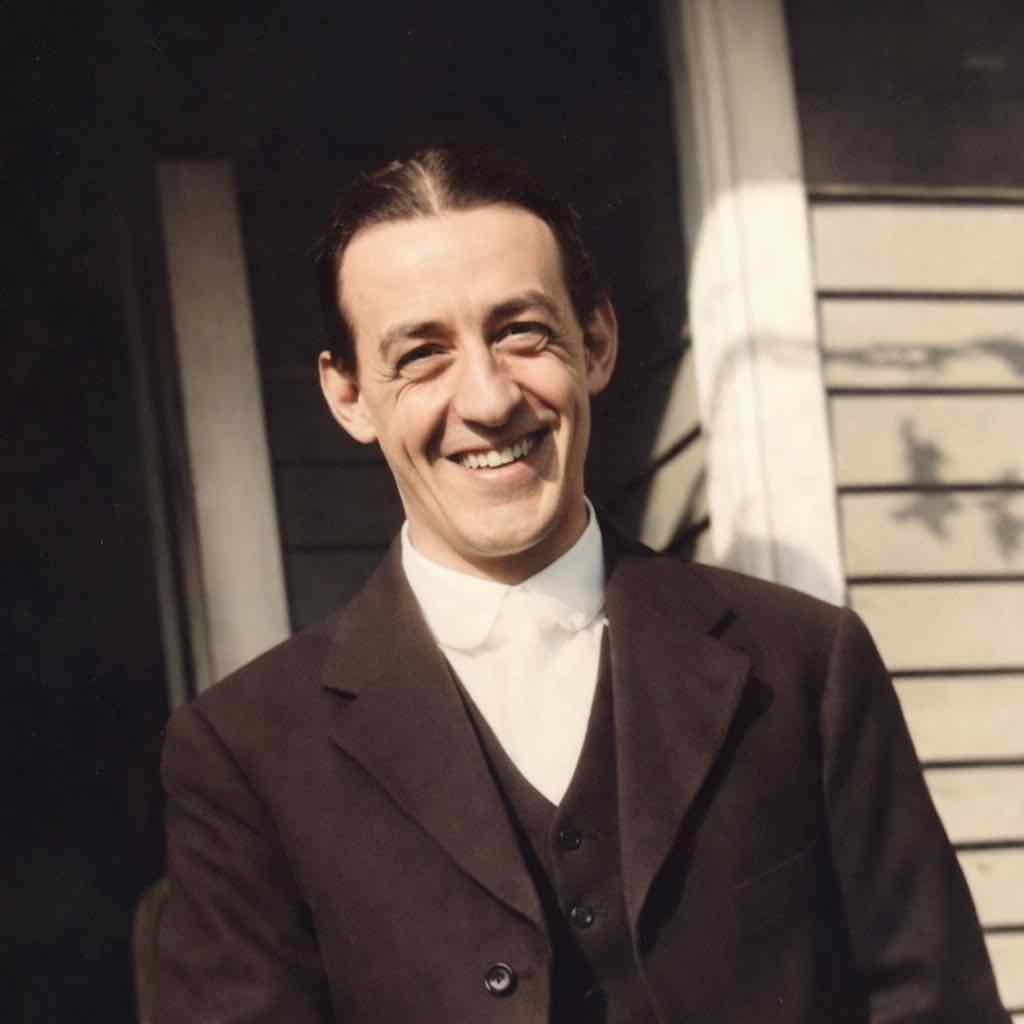
Arthur W. Pink

Self-elevated little popes!

1 Peter 5:2-3; Matthew 23
Arthur W. Pink May, 9 2013 Audio
0 Comments
Choice Puritan Devotional

In his sermon titled "Self-elevated little popes!" A. W. Pink addresses the doctrine of private judgment within the realm of authority in the church. Pink argues that many individuals assume a position of spiritual authority, demanding unquestioning submission to their interpretation of Scripture, effectively acting as modern-day “popes.” He references Matthew 23:8-9 and 1 Peter 5:2-3 to emphasize that Christ alone is the Master of Christians and that all believers are equal in rights and privileges. The sermon underscores the importance of exercising one's private judgment—rooted in Scripture—while cautioning against the dangers of both submitting to human authority and indulging in self-will. Pink’s teaching serves as a reminder of the Reformed principle of the priesthood of all believers, emphasizing that each Christian is responsible for their faith and is called to resist any ecclesiastical dominion that contradicts God’s Word.

Key Quotes

“No man is to be heeded in spiritual matters any further than he can produce a plain and decisive, thus says the Lord, as the foundation of his appeal.”

“Allow none to have dominion over your mind and conscience. Be regulated only by the teaching of God's Word.”

“Private judgment does not mean private imagination, but a deliberate conviction based on holy writ.”

“Above all, daily beg the Holy Spirit to be your Teacher, and always accord your brethren the same right and privilege which you claim for yourself.”

What does the Bible say about spiritual authority?

The Bible teaches that believers should not allow anyone to hold dominion over their faith, as Christ alone is the Master.

The Scriptures make it clear that Christ is the only Master of Christians, as emphasized in Matthew 23:8, where believers are instructed to not refer to anyone as Rabbi. This indicates the importance of private judgment and the responsibility of each individual believer to interpret Scripture without submitting to human authority. While church leaders are to provide guidance as examples of faith, they should not exert dictatorial power over their congregations. All must adhere to the teachings of God's Word rather than the commands of men.

Matthew 23:8-9, 1 Peter 5:2-3

How do we know private judgment is true in Christianity?

Private judgment is affirmed in Scripture, calling believers to form their own convictions based on the Word of God.

The doctrine of private judgment is rooted in the belief that each believer has the right to interpret Scripture for themselves, guided by the Holy Spirit. This does not imply a law unto oneself but rather a conscious effort to discern truth from God's Word independently. It is essential to exercise this judgment humbly and with an openness to insights from other believers. The right to private judgment encourages believers to remain free from ecclesiastical authority that is not founded on Scripture, thus protecting their Christian liberty.

1 Peter 5:2-3

Why is being a self-elevated leader dangerous in the church?

Self-elevated leaders can lead believers away from Christ by demanding submission to their authority rather than to God's Word.

Self-elevated leaders, or 'little popes', pose a significant danger in the church as they claim authority that belongs only to Christ. This usurpation often results in followers being manipulated and misled, as they are taught to place their trust in human authority rather than rely on Scripture. Pastors are called to serve as examples rather than lords, modeling humility and dedication to God. Such leaders who seek power can create an environment of fear and obedience that contradicts the teachings of Christ on spiritual freedom and individual judgment.

Matthew 23:8-9, 1 Peter 5:2-3

How should Christians exercise private judgment wisely?

Christians should exercise private judgment by studying Scripture with humility and being open to correction from fellow believers.

Exercising private judgment wisely requires a careful and humble approach to Scripture. Believers should strive to form convictions based on biblical truth and not personal whims. This entails a willingness to examine one's own understanding critically, being slow to reject the wisdom offered by godly leaders, and recognizing the need for the Holy Spirit’s guidance. It’s important to resist the extremes of both blind submission to authority and rampant individualism. A balanced approach honors the role of the church and allows for growth and learning within the body of Christ.

Sermon Transcript

Auto-generated transcript • May contain errors

100%
. Self-Elevated Little Popes, Arthur W. Pink, Private Judgment, 1950. But you are not to be called Rabbi, for you have only one Master, and you are all brothers. Matthew 23.8.

In every generation, there are those of an officious spirit who aspire to leadership, demanding deference from their fellows. Such men insist upon unqualified subjection from their followers. Their interpretation of the Scriptures must not be challenged. Their dictates are final. Everyone must believe precisely what they teach. and order all the details of his life by the rules of conduct which they prescribe, or else be branded as a heretic.

There have been, and still are, many such self-elevated little popes in Christendom, who deem themselves to be entitled to implicit credence and obedience, whose decisions must be accepted without question. They are nothing but arrogant usurpers, for Christ alone is the Master of Christians, and since all of His disciples are brethren, they possess equal rights and privileges.

Do not call anyone on earth your father, for one is your father, he who is in heaven. Matthew 23.9

This deortation has ever been needed by God's people, for they are the most part simple and unsophisticated, trustful and easily imposed upon. In those verses, the Lord Jesus was enforcing the duty of private judgment, bidding believers to allow none to be the dictators of their faith or lords of their lives.

No man is to be heeded in spiritual matters any further than he can produce a plain and decisive, thus says the Lord, as the foundation of his appeal. To be in subjection to any ecclesiastical authority which is not warranted by holy writ, or to comply with the whims of men, is to renounce your Christian freedom. Allow none to have dominion over your mind and conscience. Be regulated only by the teaching of God's Word, and firmly refuse to be brought into bondage to the commandments and doctrines of men. Instead, stand fast in the liberty with which Christ has made us free, yielding unreservedly to His authority alone.

God does not require the minds and consciences of His children to be enslaved by an ecclesiastical dominion. Each one has the right to exercise his own judgment.

Be shepherds of God's flock that is under your care, not greedy for money, but eager to serve, not lording it over those entrusted to you, but being examples to the flock." 1 Peter 5, 2 and 3.

Instead of lording it over God's heritage, preachers are to be examples to the flock, personal patterns of good works, holiness, and self-sacrifice, models of piety, humility, and charity. Love of power has been as common a sin in the pulpit as love of money, and many of the worst evils which have befallen Christendom have issued from a lusting after dominion and ecclesiastical honors.

Such is poor human nature, that good men find it hard to keep from being puffed up and misusing any measure of authority when it is committed unto them, and from not doing more harm than good with the same. Pastors are to make self-abnegation, and not self-exaltation, their constant aim.

The right of private judgment does not mean that each Christian may be a law unto himself, and still less lord over himself. We must beware of allowing liberty to degenerate into license. No, it means the right to form our own views from Scriptures, to be in bondage to no ecclesiastical authority, and to be subject unto God alone.

two extremes are to be guarded against, 1. slavery to human authority and tradition, and 2. the spirit of self-will and pride. Private judgment does not mean private imagination, but a deliberate conviction based on holy writ. Though I must not resign my mind and conscience to others or deliver my reason and faith over blindfold to any church, yet I ought to be very slow in rejecting the approved judgment of God's true servants.

Self-conceit is to be rigidly restrained. Private judgment is to be exercised humbly, soberly, and impartially, with a willingness to receive light from any quarter. ponder the Word for yourself, but mortify the spirit of haughty self-sufficiency, and be ready to avail yourself of anything likely to afford you a better understanding of God's truth. Above all, daily beg the Holy Spirit to be your Teacher, and always accord your brethren the same right and privilege which you claim for yourself.
Arthur W. Pink
About Arthur W. Pink

Arthur Walkington Pink (April 1, 1886 - July 15, 1952) was an English Bible teacher who sparked a renewed interest in the exposition of the doctrines of Grace otherwise known as "Calvinism" or "Reformed Theology" in the twentieth century.

Broadcaster:

Comments

0 / 2000 characters
Comments are moderated before appearing.

Be the first to comment!

Joshua

Joshua

Shall we play a game? Ask me about articles, sermons, or theology from our library. I can also help you navigate the site.

0:00 0:00