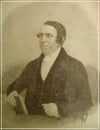
He loves to see His poor, helpless, suffering patients come!
Isaiah 1:5-6; Romans 3
In the sermon "He loves to see His poor, helpless, suffering patients come," James Smith addresses the biblical doctrine of redemption and healing through Christ. The key argument presented is that sin is akin to a disease that pervades the entirety of the human condition, as illustrated through Isaiah 1:5-6 and Romans 3. Smith emphasizes that Jesus, as both Redeemer and Physician, not only provides pardon from sin but also entails healing for the afflicted soul, employing His Spirit, Word, and providential care to restore health. The practical significance lies in the assurance that Christ’s healing is both gratuitous and effective, granting hope to believers as they undergo ongoing transformation until they reach their heavenly home, where complete healing is realized.
“Sin not only brings us under condemnation, but it assumes the character of a disease. It has infected the whole soul and spoiled every faculty.”
“He employs His Spirit, His Word, and His Providence to bring us to a healthy state.”
“He is the Maker of the Balm of Gilead, and He is the Physician there.”
“Every patient who is healed is provided with a mansion above, and has a title to the Tree of Life, which is in the midst of the Paradise of God.”
The Bible portrays sin as a disease affecting the whole soul, and Jesus as our Physician who provides both healing and pardon.
Isaiah 1:5-6, Romans 3
Jesus is confirmed as our Physician through His healing power, love, and the fulfillment of prophecies found in Scripture.
Philippians 1:6
Recognizing Jesus as our Healer is crucial for Christians because it shapes our understanding of salvation and our relationship with Him.
Auto-generated transcript • May contain errors

Comments
Your comment has been submitted and is awaiting moderation. Once approved, it will appear on this page.
Be the first to comment!