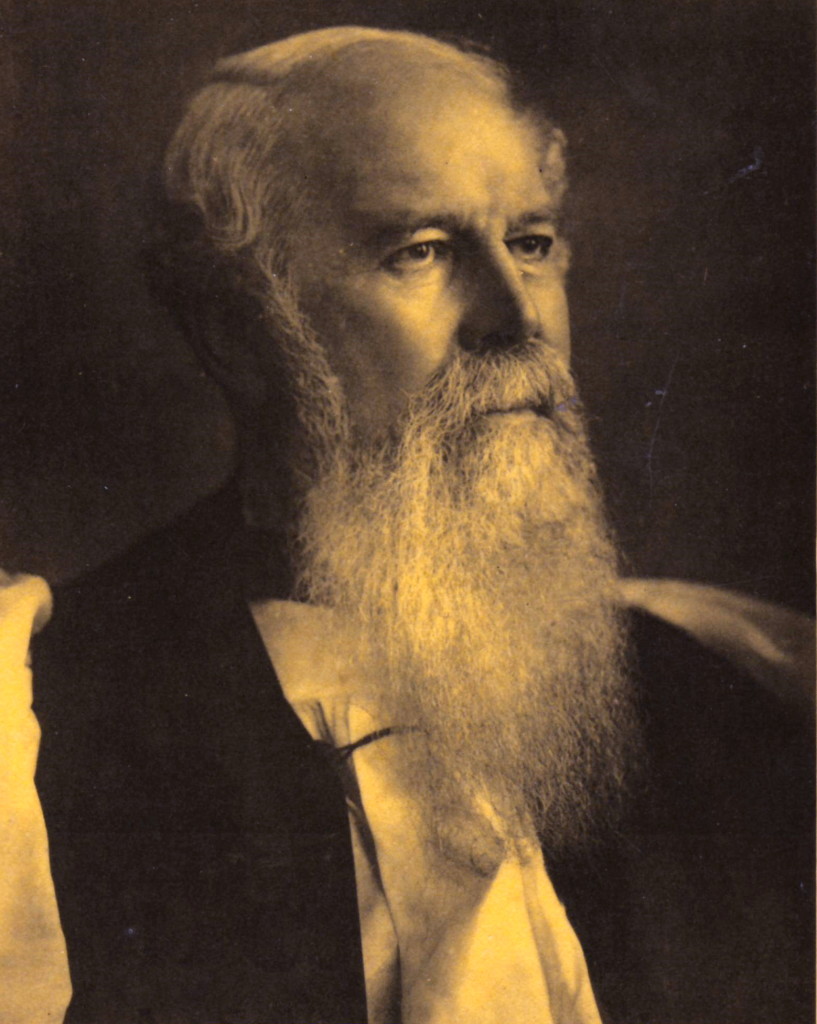
I believe it to be a public duty to warn people against cheats, quacks, and impostors
2 Peter 3; Jude
J.C. Ryle's sermon addresses the biblical understanding of true happiness in contrast to worldly misconceptions. He argues that many mistakenly equate pleasure-seeking and amusement with happiness, highlighting that such pursuits ultimately lead to dissatisfaction and despair. Ryle references the Scriptures, notably Proverbs 14:13, to emphasize the superficiality of external merriment and the deceptive nature of appearances. The practical significance of his message lies in the urgent call for believers to pursue genuine joy grounded in a relationship with God rather than chasing fleeting, hollow experiences that society often labels as happiness.
“Oh, how much trouble and sorrow it might save my readers if they would only believe what I am going to say.”
“Of all roads that men can take in order to be happy, this is the one that is most completely wrong.”
“A man may smile and smile and be a villain. The eternal Word of God teaches us that even in laughter, the heart may be sorrowful.”
“When glass is called diamond, and tinsel is called gold, then, and not until then, those people who can laugh and revel will deserve to be called happy people.”
The Bible teaches that true happiness is not found in outward pleasures or worldly gaiety, but in a deep, inner peace that comes from God.
Proverbs 14:13
Seeking pleasure alone is a mistake because such pursuits often lead to hollow and temporary satisfactions rather than lasting happiness.
2 Peter 3, Jude
True happiness is evidenced by inner peace rather than outward appearances like laughter, which can be deceiving.
Proverbs 14:13
Auto-generated transcript • May contain errors

Comments
Your comment has been submitted and is awaiting moderation. Once approved, it will appear on this page.
Be the first to comment!