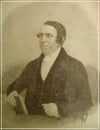
In his sermon titled "He may be on earth at noon — but in Hell at night!", James Smith addresses the theological doctrine of spiritual blindness and the imminent danger of sin. He argues that many individuals walk through life in ignorance, failing to recognize their grave spiritual state before God, the consequences of sin, and the mercy offered through Jesus Christ. Smith draws on Scripture, particularly Amos 4:12 and Psalm 82:5, to illustrate how sinners steadfastly continue on a path that leads to destruction, unaware of the peril surrounding them. He emphasizes the significant Reformed belief in total depravity, asserting that without divine intervention, individuals are incapable of recognizing their need for salvation and are thus bound for judgment. The sermon's practical significance lies in its urgent call for repentance and an awakening to the realities of sin and grace, urging listeners to seek Christ before it is too late.
“Darkness is the emblem of ignorance. They are ignorant of their true state before God, of the character of the God who made them, of the just desert of sin, of the only Savior who can deliver them…”
“He may be in health in the morning, but a corpse at noon. He may be on earth at noon, but in hell at night.”
“Careless, indifferent, Christ-rejecting sinners will receive the greater damnation.”
“It will be misery without mercy, darkness without light, despair without prospect of deliverance…”
The Bible teaches that walking in darkness symbolizes ignorance of God's truth and a life in sin, leading to spiritual death.
Psalm 82:5
Living in sin is dangerous as it leads to spiritual death and separation from God, ultimately resulting in judgment and hell.
Matthew 10:15
The Bible indicates that those who knowingly reject Christ's offer of salvation face a harsher judgment than those who are unaware.
Luke 12:47, Matthew 10:15
Heeding God's warnings is crucial for Christians as it leads to repentance and a closer relationship with Him, avoiding spiritual peril.
Proverbs 1:24-26
Auto-generated transcript • May contain errors

Comments
Your comment has been submitted and is awaiting moderation. Once approved, it will appear on this page.
Be the first to comment!