Bootstrap
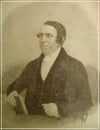
James Smith

Oh, how dreadful the thought - to go to Hell through the church of God!

Luke 13:6-7; Revelation 2
James Smith • April, 18 2012 • Audio
0 Comments
James Smith
James Smith • April, 18 2012
Choice Puritan Devotional

In his sermon titled "Oh, how dreadful the thought - to go to Hell through the church of God," James Smith addresses the serious issue of fruitlessness among professing Christians, highlighting the theological concept of genuine conversion and the necessity of evidence of faith in the form of spiritual fruit. He draws on the parable of the fig tree from Luke 13:6-7, illustrating the danger of being a church member without true conversion, as these individuals appear to bear leaves but lack the fruit of holiness. The sermon warns that God's patience has limits, and when no fruit is found, He issues a solemn command to "cut it down," representing both judgment and the inevitability of divine justice. Smith's message serves as a grave reminder of the eternal consequences facing the unconverted who may mistakenly believe they are secure within the church, emphasizing that true faith must result in a transformed life that bears fruit. The significance of this warning extends beyond mere profession, urging self-examination and repentance.

Key Quotes

“A fig tree with leaves of profession, but not the fruit of holiness.”

“It is to be feared that many join the church before they are truly converted, and yet very, very few are ever converted after.”

“God expects you to live up to that profession. If you are planted in His vineyard, God expects you to bring forth fruit.”

“Oh, how dreadful the thought! To go to hell through the Church of God!”

What does the Bible say about fruitlessness in the church?

The Bible warns against being fruitless, as seen in the parable of the fig tree in Luke 13:6-7, symbolizing unconverted individuals in the church.

In Luke 13:6-7, Jesus tells a parable about a fig tree that does not bear fruit and how the owner is frustrated by its barrenness after three years of waiting. This imagery serves as a serious warning to those who profess to be Christians but do not demonstrate the fruit of holiness in their lives. A fruitless fig tree represents an individual who appears outwardly religious but lacks true inner transformation and fruitfulness in their Christian walk, and it highlights the danger of presuming one's salvation simply due to church membership or outward profession.

Luke 13:6-7

How do we know the doctrine of perseverance is true?

The doctrine of perseverance is evidenced by God's expectation for believers to produce fruit as a sign of true faith.

Perseverance is rooted in the idea that genuine believers will exhibit ongoing growth and produce spiritual fruit. God's expectation for those who profess faith is clearly stated in Scripture; He expects fruit from His people. As indicated in this sermon, the owner of the vineyard actively looks for fruit, and upon finding none, He commands that the tree be cut down. This illustrates the solemn reality that true faith naturally manifests in a changed life, reflecting the transformative work of the Holy Spirit within.

Luke 13:6-7

Why is it important for Christians to bear fruit?

Bearing fruit is essential for Christians as it demonstrates the authenticity of their faith and obedience to God's commands.

For Christians, bearing fruit is not just an expectation; it is a vital part of their witness and relationship with God. Jesus' parable emphasizes that God actively seeks fruit in a believer's life. In the context of the church, a lack of fruit indicates a serious spiritual problem, as it suggests that an individual may not be genuinely converted. Therefore, living a life that reflects the fruit of the Spirit—such as love, joy, peace, and holiness—demonstrates genuine faith and obedience, not only fulfilling God's command but also serving as a testimony to others of God's transformative power.

Luke 13:6-7

What happens to those who remain fruitless in their faith?

Those who are fruitless in their faith face severe judgment, as highlighted by the command to cut down the fig tree.

The sermon draws a grave picture regarding the fate of fruitless professors of faith. According to the teachings of Jesus, a fruitless fig tree is cut down and condemned, symbolizing the eternal fate awaiting those who claim to follow Christ without genuine faith. This act of cutting down signifies not just physical death but also spiritual judgment, portraying the seriousness of being in a state of spiritual barrenness. As the preacher warns, the axe lies at the root, indicating that divine judgment is imminent for those who do not produce the expected fruits of repentance and faith.

Luke 13:6-7

Sermon Transcript

Auto-generated transcript • May contain errors

100%
. Oh, how dreadful the thought to go to hell through the Church of God! James Smith, The Alarming Sentence.

A man had a fig tree planted in his vineyard, and he went to look for fruit on it, but did not find any. So he said to the man who took care of the vineyard, For three years now I have been coming to look for fruit on this fig tree, and haven't found any. Cut it down. Why should it use up the soil? Luke 13 6-7

Let us look at Christ's figure a little. A fig tree, or a professor of the religion of Christ. A fruitless fig tree, or a barren, useless professor. A fig tree with leaves of profession, but not the fruit of holiness.

No place is as dangerous for an unconverted person as the church of God. It is to be feared that many join the church before they are truly converted, and yet very, very few are ever converted after. Once under a profession, God expects you to live up to that profession. If you are planted in His vineyard, God expects you to bring forth fruit.

The owner of the vineyard comes and seeks fruit. He comes again and again, and if he finds none, he passes this solemn sentence. Cut it down. Why should it use up the soil? Concerning every fruitless professor, God says, cut it down. Why should it use up the soil? It drains the ground of its nourishment for no good purpose. Labor is but lost upon it. Expectation is disappointed by it. Therefore, cut it down. My patience and forbearance are worn out. I have come three years seeking fruit and find none, so cut it down.

It is a fearful sentence. God gives the command to some disease. He says, Go, cut that barren professor down. He sends death, like the woodsman with his sharpened axe. At length he strikes the fatal blow, and then the fruitless professor falls.

This command of God is fearful. It is full of terror. It includes utter destruction. This command is irresistible. We cannot evade it. We cannot brave it out. The boldest heart fails. The strongest body yields to God's cut it down. This command is final. There is all that is dreadful wrapped up in it. even a certain fearful expectation of God's judgment and the raging fire that will consume His enemies.

The fruitless professor is to be cut down and committed to the eternal flames of hell. Here is wrath, fearful wrath. Here is justice, inflexible justice. Here is vengeance, the vengeance of an infinite God. O fruitless professor, Consider, fear, tremble, repent.

God looks for fruit from every professor. He will certainly punish if there is no fruit. Fruitless professor, where will you be soon? The axe lies at your root even now. The executioner is only awaiting the command. Divine mercy will soon urge her last plea. The year of reprieve will soon expire, and then, cut it down, is all that remains.

Oh, how dreadful the thought! To go to hell through the Church of God! To profess that you are traveling to heaven! when in reality you are going with the lost multitude to eternal perdition.
Broadcaster:

Comments

0 / 2000 characters
Comments are moderated before appearing.

Be the first to comment!

Joshua

Joshua

Shall we play a game? Ask me about articles, sermons, or theology from our library. I can also help you navigate the site.

0:00 0:00