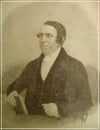
James Smith’s sermon "And then the Lord puts us into the furnace" explores the doctrine of suffering and trials in the Christian life, emphasizing that believers should expect adversity as a vital part of their spiritual pilgrimage. Key arguments highlight that troubles serve to refine faith, deepen reliance on God, and fulfill the promises of Scripture, particularly citing John 16:33, which notes that believers will face sorrows, and Psalm 86:17, which reassures that God hears and responds to prayers in times of trouble. Smith illustrates how trials reveal the depravity of human nature and the perils inherent in various aspects of life, such as familial relationships and church dynamics. The significance of the sermon lies in its call for believers to view trials not merely as burdens but as invitations to seek God more fervently, thereby cultivating a deeper prayer life and fostering dependence on divine mercy.
“Here on earth you will have many trials and sorrows. Every Christian should expect a daily cross, something to try his graces, something to render the promises necessary.”
“We are born to trouble as the sparks fly upwards. Whichever way we look, we see a source of trouble.”
“Every trouble, rightly understood, is an invitation from the Lord to call upon Him.”
“What sweet encouragement is here! Even if the furnace should be heated seven times hotter, still we have His promise.”
The Bible teaches that Christians will face many trials and sorrows on earth, as stated in John 16:33.
John 16:33
We know God is with us in our troubles because He invites us to call upon Him and promises to answer us (Psalm 86:17).
Psalm 86:17
Prayer is essential in times of trouble because it eases our burdens and connects us with God's comforting presence.
Trials can strengthen a Christian's faith by revealing the sufficiency of God's grace and deepening our reliance on Him.
Auto-generated transcript • May contain errors

Comments
Your comment has been submitted and is awaiting moderation. Once approved, it will appear on this page.
Be the first to comment!