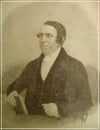
In his sermon "Poor Jack," James Smith addresses the central Reformed doctrine of salvation by grace through faith in Christ alone. He narrates the transformation of a sailor, Jack, who, initially overwhelmed by despair and a sense of unworthiness, ultimately finds hope in Jesus as his all-sufficient Savior. The key arguments revolve around the necessity of self-despair before salvation, the incomparability of Christ as the perfect Savior, and the assurance of grace for those who come to Him. Smith supports his points through Scripture references such as Colossians 3:11, emphasizing that "Christ is all," and Romans 3, which underscores the need for faith in the redemptive work of Jesus. The sermon highlights the practical significance of understanding one's total inability apart from Christ, fostering deep reliance on God's grace for salvation, which is a core tenet of Reformed theology.
“The work of the Holy Spirit has a twofold tendency, to humble the sinner and exalt the Saviour.”
“Jesus Christ is all in all, and poor Jack is nothing at all. And this is the religion of everyone who is taught of God.”
“Salvation is entirely of grace, and grace only saves the unworthy.”
“Believe on the Lord Jesus Christ and you shall be saved, for whoever believes in the Son has eternal life.”
The Bible teaches that salvation is through Jesus Christ alone, and is fully a work of grace.
Romans 3, Colossians 3:11
Jesus is a perfect Savior because He fulfills every need of the sinner and secures our salvation completely.
Colossians 3:11
Grace is foundational for Christians because it underscores that salvation is a gift, not something earned.
Ephesians 2:8-9
Being a poor sinner means recognizing our helplessness and need for Jesus as our Savior.
Colossians 3:11
Auto-generated transcript • May contain errors

Comments
Your comment has been submitted and is awaiting moderation. Once approved, it will appear on this page.
Be the first to comment!