Bootstrap
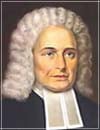
Samuel Davies

Who is this amazing spectacle of woe and torture?

Romans 5:6; Romans 8
Samuel Davies August, 2 2010 Audio
0 Comments
Samuel Davies
Samuel Davies August, 2 2010
Choice Puritan Devotional

The sermon "Who is this amazing spectacle of woe and torture?" by Samuel Davies explores the profound theological implications of Christ's crucifixion, particularly the manifestation of God's hatred towards sin. Davies argues that the cross serves as the ultimate revelation of the malignity of sin and the necessity of atonement, emphasizing that God's justice requires punishment for sin, which leads to Christ’s agonizing death despite His innocence. He references Romans 5:6 to illustrate that Christ died for the ungodly, underscoring that the severity of sin is visibly etched in the suffering of the Son of God. The practical significance lies in the call for believers to grasp the seriousness of sin and its consequences, which should evoke a deep reverence and a commitment to righteousness in response to Christ’s sacrifice.

Key Quotes

“What can more strongly expose the evil of sin than the cross of Christ?”

“God can by no means forgive sin without punishment, and that all the infinite benevolence of His nature towards His creatures cannot prevail upon Him to pardon the least sin without an adequate satisfaction.”

“Surely all the various miseries which have been inflicted upon our guilty world in all ages... do not so loudly proclaim the terrible desert and malignity of sin as the cross of Christ.”

“Let a reasonable creature take but one serious view of that cross, and surely he must ever after tremble at the thought of the least sin.”

What does the Bible say about the significance of Christ's suffering?

The Bible demonstrates that Christ's suffering reveals the malignity of sin and the necessity of atonement.

The suffering of Christ is deeply significant as it illustrates the profound nature of sin and God's response to it. As seen in Romans 5:6, Christ died for the ungodly, showcasing that sin not only incurs guilt but demands punishment. The cross serves as a powerful testament to God's hatred of sin; it illustrates that His infinite mercy cannot allow sin to pass unpunished, as it ultimately led to the suffering of His beloved Son. Thus, the agony Christ endured becomes a lens through which we understand the severe consequences of sin, where even the innocent one was not spared from the weight of sin's penalty.

Moreover, Christ’s passionate suffering unravels the truth about God’s justice. When He was made sin for us, the severity of sin's consequences was laid upon Him, prompting believers to recognize the depths of sin's malignity. This not only reveals God's intense justice but also magnifies His grace, as He permitted His only Son to take upon Himself the punishment that sinners rightly deserve. Therefore, in comprehending the cross, we grasp the seriousness with which sin is treated in light of divine justice and mercy.

Romans 5:6

How do we know that God's justice requires punishment for sin?

Scripture reveals that God's justice demands penalty for every sin, evident in the cross where Christ bore our punishment.

God's justice is a fundamental aspect of His character, demanding that sin cannot go unpunished. This is vividly illustrated in the suffering of Christ, where, according to Romans 5:6, He dies for the ungodly. The cross is not merely a historical event; it embodies the reality that God’s infinite benevolence does not negate His justice. The imputation of our sins to Christ, who bore the punishment for them, illustrates how seriously God regards sin. If God's grace alone sufficed for forgiveness without justice, the crucifixion would have been unwarranted, but the New Testament underscores that justice and grace coexist harmoniously through Christ's sacrifice.

Furthermore, the cross serves as the ultimate manifestation of God’s hatred towards sin. It is through this act of sacrificial love that believers can appreciate the depths of justice and mercy intertwining in His plan for redemption. Thus, we understand that whenever sin is involved, the consequence is severe, and it was necessary for our Savior to endure this punishment to restore the relationship between God and man. It is by viewing Christ on the cross that we comprehend the grave implications of sin that necessitate divine justice.

Romans 8

Why is the concept of God's hatred towards sin important for Christians?

Understanding God's hatred of sin is crucial because it underlines the seriousness of sin and the necessity for Christ's redemptive sacrifice.

Grasping the concept of God's hatred toward sin is vital for Christians, as it shapes their understanding of both sin and redemption. The cross amplifies the severity of sin’s malice, showing that sin is not a minor infraction but a state of rebellion against a holy God. When one reflects on Christ’s suffering, it becomes painfully clear how God must view our sin—unforgivable without atonement. This realization compels believers to approach God with the seriousness sin warrants, acknowledging it for the grave offense it is against His divine holiness.

Moreover, knowing God's hatred towards sin enhances a believer’s appreciation of grace. Since God demands justice, the sacrifice of Christ transforms the narrative from condemnation to redemption. This clarifies that forgiveness came at an immense price and fosters a deeper love and gratitude for the Savior. By understanding the ramifications of sin and God’s stance against it, Christians are encouraged to pursue a life of holiness, remaining mindful of the high cost of their salvation. Thus, the awareness of God’s hatred for sin shapes how believers live and worship, allowing them to glorify Him more fully in their daily lives.

Romans 5:6; Romans 8

Sermon Transcript

Auto-generated transcript • May contain errors

100%
Who is this amazing spectacle of woe and torture? By Samuel Davies

Christ died for the ungodly Romans 5 6

In the cross of Christ God's hatred to sin is manifested in the most striking light the evil of sin is exposed in the most dreadful colors. Now it appears that such is the divine hatred against all sin that God can by no means forgive sin without punishment, and that all the infinite benevolence of His nature towards His creatures cannot prevail upon Him to pardon the least sin without an adequate satisfaction. Nay, now it appears that when so malignant and abominable a thing is but imputed to his dear son, his co-equal, his darling, his favourite, that even he could not escape unpunished, but was made a monument of vindictive justice to all worlds.

What can more strongly expose the evil of sin than the cross of Christ? Sin is such an intolerable, malignant, and abominable thing, that even a God of infinite mercy and grace cannot let the least instants of it pass unpunished. It was not a small thing that could arm God's justice against the Son of His love. Though He was perfectly innocent in Himself, yet when He was made sin for us, God spared not His own Son, but delivered Him up unto death, the shameful, tormenting, and accursed death of the cross.

Go, you fools, who make a mock at sin,
Go and learn its malignity and demerit
At the cross of Jesus.

Who is it that hangs there
Writhing in the agonies of death?
His hands and feet pierced with nails,
His side with a spear, his face bruised with blows,
And drenched with tears and blood,
His heart melting like wax,
His whole frame racked and disjointed,
Forsaken by his friends and even by his father,
Tempted by devils and insulted by men.

Who is this amazing spectacle of woe and torture? It is Jesus, the eternal Word of God, his elect, in whom his soul delights, his beloved Son, in whom he is well pleased. And what has he done? He did no wickedness, he knew no sin, but was holy, harmless, undefiled, and separate from sinners. And why, then, all these dreadful sufferings from heaven, earth, and hell? Why? He only stood in the law-place of sinners. He only received their sin by imputation. And you see what it has brought upon him. You see how low it has reduced him.

What a horrid evil must that be, which has such tremendous consequences, even upon the darling of heaven! Oh, what still more dreadful havoc would sin have made if it had been punished upon the sinner himself in his own person? Surely all the various miseries which have been inflicted upon our guilty world in all ages, and even all the punishments of hell, do not so loudly proclaim the terrible desert and malignity of sin as the cross of Christ.

The infinite malignity of sin, and God's hatred to it, appear nowhere in so striking and dreadful a light as in the cross of Christ. Let a reasonable creature take but one serious view of that cross, and surely he must ever after tremble at the thought of the least sin.
Broadcaster:

Comments

0 / 2000 characters
Comments are moderated before appearing.

Be the first to comment!

Joshua

Joshua

Shall we play a game? Ask me about articles, sermons, or theology from our library. I can also help you navigate the site.

0:00 0:00