Bootstrap
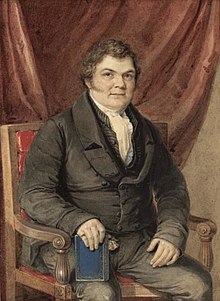
John Angell James

Do you indeed act, as you pray?

John Angell James August, 13 2008 Audio
0 Comments
Choice Puritan Devotional

In the sermon "Do You Indeed Act, as You Pray?" John Angell James addresses the essentiality of prayer in the life of a Christian, positing that effective prayer should lead to corresponding actions that reflect the content of those prayers. The key argument revolves around the inconsistency often observed between what Christians pray for—such as spiritual growth and deliverance from sin—and how they subsequently live, indicating a lack of true understanding or intent behind their petitions. James utilizes several practices of prayer, paralleling them with Scripture's call for holiness and transformation, implicitly referencing passages like Colossians 3:2 (“Set your minds on things that are above”) to emphasize the need for a life that aligns with one's prayer life. The practical significance is profound; it challenges believers to introspectively evaluate their spiritual conduct in light of their prayers and to strive for an authentic Christian life that reflects the earnestness of their communicated desires to God.

Key Quotes

“Should there not be a harmony, a consistency, a proportion between our practice and our prayers?”

“Our prayers are to act upon ourselves. They have, or ought to have, great power in the formation of character and the regulation of conduct.”

“How common is it for professors to pray for victory over the world… and yet all the while they are as obviously eager to amass wealth?”

“It is unnecessary to multiply the illustrations of the inconsistency between our prayers and our practice.”

Sermon Transcript

Auto-generated transcript • May contain errors

100%
I need not prove to you that prayer, as a duty, is essential to Christian conduct, and, as a privilege, prayer equally indispensable to Christian enjoyment. All Christians give themselves to this devout exercise. Their petitions are copious, comprehensive, and seemingly earnest. What solemn professions they make to God, what ardent desires they express, what numerous blessings they seek, what strong resolutions they form.

If we so pray, how ought we to live What kind of people must we be to live up to the standard of our prayers? And ought we not, in some measure at least, to reach this standard? Should there not be a harmony, a consistency, a proportion between our practice and our prayers? Do you indeed act as you pray? Do you understand the import and feel the obligation of your own petitions? Do you rise from your knees where you have asked and not to seek? Do you really want, wish for, and endeavor to obtain an answer to your prayers? Are you really intent upon doing and being what you ask for in prayer?

Our prayers are to act upon ourselves. They have, or ought to have, great power in the formation of character and the regulation of conduct. It is plain, therefore, that much of prayer is mere words. We either do not understand, or do not consider, or do not mean what we say.

Do we go from praying to acting and to live for Jesus, for heaven, for eternity? How common is it for professors to pray for victory over the world? to be delivered from the lust of the flesh, the lust of the eyes, and the pride of life, to be enabled to set their affections on things above and not on things of the earth, and to be dead to seen and temporal things. And yet all the while they are as obviously eager to amass wealth, to multiply the attractions of earth, and to enjoy as much luxurious gratification as possible.

Spirituality of mind is the subject of innumerable prayers, from some who never take a step to promote it, but, on the contrary, who are doing all they can to make themselves carnally minded. How many repeat that petition, lead us not into temptation, who instead of most carefully keeping at the utmost possible distance from all inducements to sin, place themselves in the very path of sin. How often do we pray to have the mind of Christ and to imitate the example of Jesus? But where is the assiduous endeavor, the laboring effort, to copy this high model in its self-denying condescension, its profound humility, its beautiful meekness, its indifference to worldly comforts, its forgiving mercy, its devotedness to God?

How often do we pray to be delivered from evil tempers and irascible feelings, and yet we indulge them on every slight provocation and take no pains to subdue them. It is unnecessary to multiply the illustrations of the inconsistency between our prayers and our practice.

This Puritan devotional has been brought to you by Grace Gems, a treasury of ageless Sovereign Grace writings. Please visit our website at www.gracegems.org, where you can browse and freely download thousands of choice books, sermons, and quotes, along with select audio messages. No donations accepted. Thank you. you
Broadcaster:

Comments

0 / 2000 characters
Comments are moderated before appearing.

Be the first to comment!

104
Joshua

Joshua

Shall we play a game? Ask me about articles, sermons, or theology from our library. I can also help you navigate the site.