Bootstrap
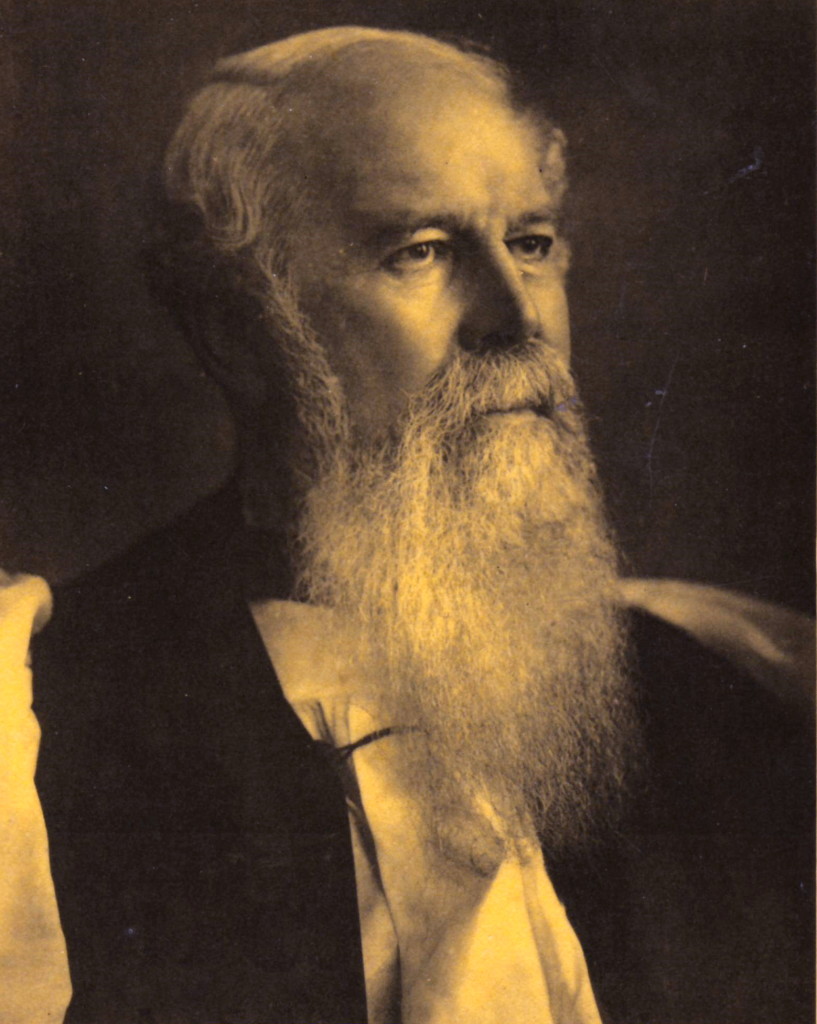
J.C. Ryle

True Christianity

J.C. Ryle • July, 23 2008 • Video & Audio
0 Comments
Choice Puritan Devotional

True Christianity, as articulated by J. C. Ryle, emphasizes the authority, sufficiency, and necessity of Scripture as the ultimate rule of faith and practice. The sermon contends that human nature is inherently sinful and in need of divine grace, underscoring the critical role of repentance and faith in Jesus Christ, the sole mediator for humanity’s salvation. Ryle references scriptural truths concerning the atonement, resurrection, and ongoing intercession of Christ, asserting that true Christianity must center around these doctrines. The message culminates in the recognition that authentic faith manifests through the fruits of the Spirit, which serve as evidence of genuine transformation. This view highlights the necessity of a holy lifestyle that stands distinct from nominal Christianity, thereby addressing both personal and corporate implications for believers' lives.

Key Quotes

“True Christianity has always taught the inspiration, sufficiency, and supremacy of Holy Scripture.”

“It has never allowed that men and women are only weak and pitiable creatures who can become good when they please.”

“True faith is not a mere mental assent to certain theological propositions, but a living, burning, active principle which works by love, purifies the heart...”

“Let us live as if we really believed every jot and tittle of scripture, and as if a dying, risen, interceding, and coming Christ were continually before our eyes.”

What does the Bible say about the inspiration of Scripture?

The Bible teaches that Scripture is divinely inspired and the ultimate authority in faith and practice.

The Bible asserts its own inspiration and authority, as it is the written Word of God intended to guide believers in all matters of faith and practice. True Christianity has consistently maintained that nothing should be placed above Scripture—whether reason or the voice of the church—thus affirming that Scripture is the only trustworthy rule of faith. Despite human imperfections in understanding it, Scripture stands as the sole standard for life and doctrine, ensuring that all teachings align with its truth.

2 Timothy 3:16-17, 2 Peter 1:20-21

How do we know the sinfulness of human nature is true?

Scripture clearly teaches the inherent sinfulness and corruption of human nature from birth.

The reality of human sinfulness is a fundamental tenet of true Christianity. The Bible teaches that all humans are born in sin, inclined towards evil, and deserving of God’s wrath and condemnation. This doctrine stands against the idea that people are merely weak and can, by their own efforts, achieve goodness or peace with God. Instead, Scripture declares the dire need for divine forgiveness, atonement, and a transformative new birth, highlighting the necessity of a complete change of heart for salvation.

Psalm 51:5, Romans 3:23, Ephesians 2:1-3

Why is faith in Jesus Christ important for Christians?

Faith in Jesus is essential as He is the only mediator and source of spiritual life and peace.

Central to true Christianity is the necessity of faith in the Lord Jesus Christ, who serves as the divine mediator between God and humanity. His atonement through death, sacrificial offering, and the victory over sin and death through resurrection are pivotal for believers. Faith in Christ not only assures forgiveness from guilt and condemnation but also connects believers to the source of true spiritual life. His ongoing intercession and active presence in the believer's life further reinforce the importance of maintaining simple and unwavering faith in Him.

John 14:6, Acts 4:12, Hebrews 7:24-25

What role does the Holy Spirit play in true Christianity?

The Holy Spirit empowers believers, producing fruits that evidence His work in their lives.

The Holy Spirit is central to true Christianity, responsible for regeneration, sanctification, and empowerment of believers. Not every person who professes to be a Christian has the Holy Spirit; rather, true evidence of His presence is seen through the fruits of the Spirit manifested in one's life. Christians are called to be born of the Spirit, live led by Him, and pursue holiness and love, as these are the marks of genuine faith. A close relationship with God is cultivated through obedience to His commandments and a life reflective of Christ-like character, which is only possible through the work of the Holy Spirit.

Galatians 5:22-23, John 3:5-6, Romans 8:9

Sermon Transcript

Auto-generated transcript • May contain errors

100%
True Christianity by J.C. Ryle

1. True Christianity has always taught the inspiration, sufficiency, and supremacy of Holy Scripture. It has told men that God's written Word is the only trustworthy rule of faith and practice in religion, that God requires nothing to be believed that is not in this Word, and that nothing is right which contradicts it. It has never allowed reason or the voice of the Church to be placed above or on a level with Scripture. It has steadily maintained that, however imperfectly we may understand it, the Old Book is meant to be the only standard of life and doctrine.

2. True Christianity has always taught fully the sinfulness, guilt, and corruption of human nature. It has told men that they are born in sin, deserve God's wrath and condemnation, and are naturally inclined to do evil. It has never allowed that men and women are only weak and pitiable creatures who can become good when they please and make their own peace with God. On the contrary, it has steadily declared man's danger and vileness, and his pressing need of a divine forgiveness and atonement for his sins, a new birth or conversion, and an entire change of heart.

3. True Christianity has always set before men the Lord Jesus Christ as the chief object of faith and hope in religion, as the divine mediator between God and men, the only source of peace of conscience, and the root of all spiritual life. The main things it has ever insisted on about Christ are the atonement for sin He made by His death, His sacrifice on the cross, the complete redemption from guilt and condemnation by His blood, His victory over the grave by His resurrection, His active life of intercession at God's right hand, and the absolute necessity of simple faith in Him. In short, it has made Christ the Alpha and the Omega in Christian theology.

4. True Christianity has always honored the person of God the Holy Spirit and magnified His work. It has never taught that all professing Christians have the grace of the Spirit in their hearts, as a matter of course, because they are baptized or because they belong to a church. It has steadily maintained that the fruits of the Spirit are the only evidence of having the Spirit, and that those fruits must be seen. It has always taught that we must be born of the Spirit, led by the Spirit, sanctified by the Spirit, and feel the operations of the Spirit, and that a close walk with God and the path of His commandments, a life of holiness, love, self-denial, purity, and zeal to do good, are the only satisfactory marks of the Holy Spirit.

Such is true Christianity. Well would it have been for the world if there had been more of it during the last 19 centuries. Too often, and in too many parts of Christendom, there has been so little of it that Christ's religion has seemed extinct and has fallen into utter contempt.

This is the Christianity which, in the days of the apostles, turned the world upside down. It was this which emptied the idle temples of their worshippers, routed the Greek and Roman philosophers, and obliged even heathen writers to confess that the followers of the new superstition, as they called it, were people who loved one another and lived very pure and holy lives.

Let it never be forgotten that its leading principles are those which are least likely to please the natural man. On the contrary, they are precisely those which are calculated to be unpopular and to give offense. Proud man does not like to be told that he is a weak, guilty sinner, that he cannot save his own soul and must trust in the work of another, that he must be converted and have a new heart, that he must live a holy, self-denying life and come out from the world. Yet, this is the Christianity which is doing good at this day, wherever real good is done. The only religious teaching which can show solid, positive results is that which gives prominence to the doctrines which I have endeavored to describe. Wherever they are rightly taught, Christianity can point to fruits which are an unanswerable proof of its divine origin. There are myriads of professing Christians, who have no life or reality in their religion, and are only nominal members of Christ's church. Except for going to church on Sundays, they give no evidence of true Christianity. If you mark their daily life, they seem neither to think, nor feel, nor care for their souls, or God, or eternity. Men and women who crowd churches on Sundays and then live worldly, selfish lives all the week are the best and most efficient allies of the devil. True faith is not a mere mental assent to certain theological propositions, but a living, burning, active principle which works by love, purifies the heart, overcomes the world, and brings forth much fruit of holiness and good works. Let us live as if we really believed every jot and tittle of scripture, and as if a dying, risen, interceding, and coming Christ were continually before our eyes. This Puritan devotional has been brought to you by Grace Gems, a treasury of ageless Sovereign Grace writings. Please visit our website at www.gracegems.org, where you can browse and freely download thousands of choice books, sermons, and quotes, along with select audio messages. No donations accepted. Thank you. you
J.C. Ryle
About J.C. Ryle
John Charles Ryle (10 May 1816 — 10 June 1900) was an English evangelical Anglican bishop. He was the first Anglican bishop of Liverpool.
Broadcaster:

Comments

0 / 2000 characters
Comments are moderated before appearing.

Be the first to comment!

Joshua

Joshua

Shall we play a game? Ask me about articles, sermons, or theology from our library. I can also help you navigate the site.

0:00 0:00