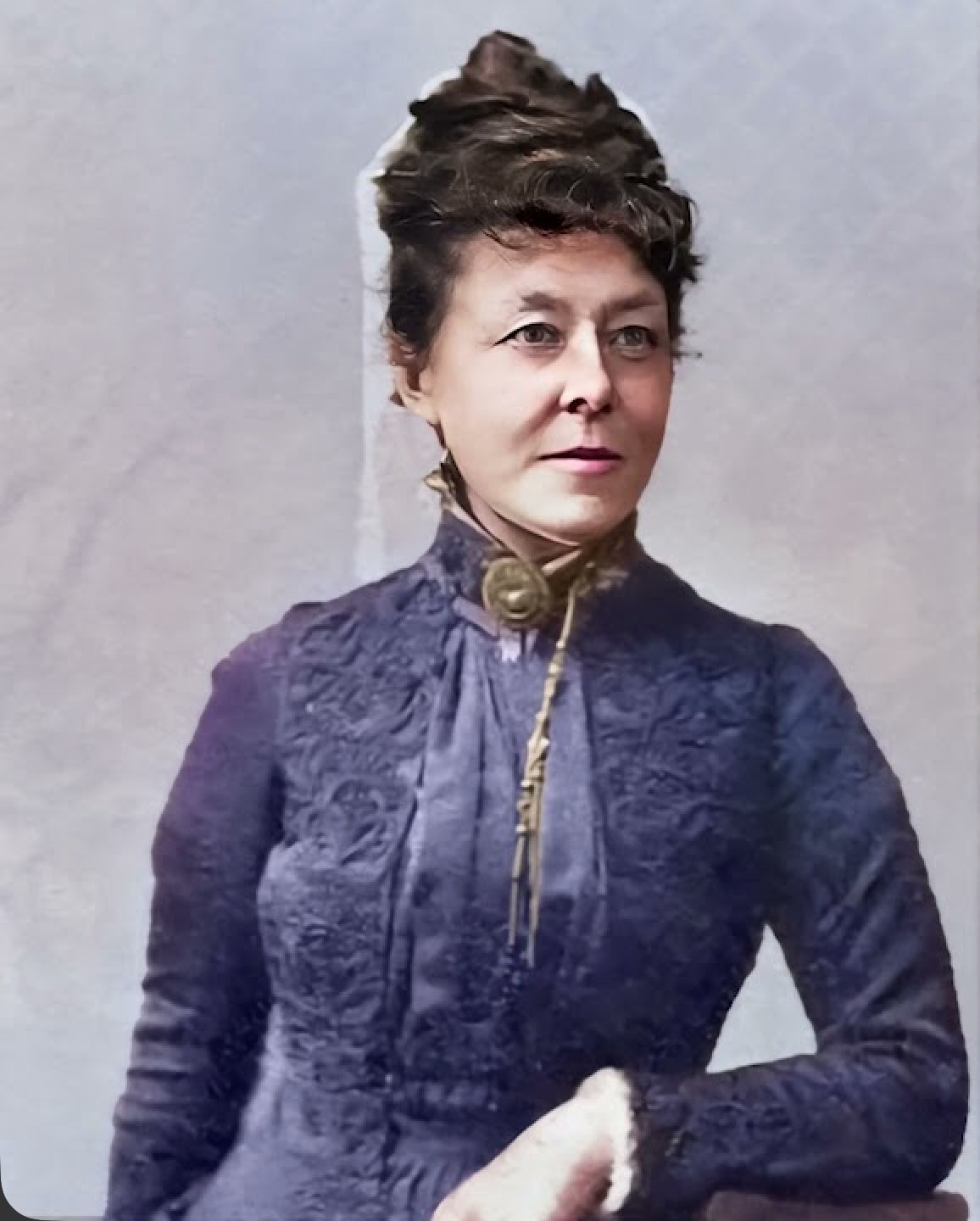
In Susannah Spurgeon's sermon, she addresses the profound theological concept of justification and the believer's identity in Christ, as articulated in Song of Solomon 4:7. The core argument emphasizes that despite one's awareness of personal sin and imperfection, Christ's atoning sacrifice renders believers beautiful and without blemish in the sight of God. Spurgeon asserts that believers should embrace their new identity as spotless, as this is an expression of divine love and mercy, which encompasses all of their sinfulness—past, present, and future. She references the biblical imagery of the brazen serpent, illustrating that focusing on Christ, rather than on one's own flaws, brings healing and wholeness. The doctrinal significance lies in encouraging believers to trust in Christ's righteousness, which alone assures them of their redeemed status and transforms their self-perception.
“The same precious blood was poured out to redeem the least lamb of the flock, as for the choicest sheep.”
“It is quite true that, in themselves, believers are sorrowfully imperfect and sinful. But if the Lord Jesus, in His marvelous mercy, unrobes Himself to cover over their unrighteousness, they may well be content to be thus made beautiful in His sight.”
“All the sins, past, present and future, all the deformity and blackness are cleansed away by Christ's blood, covered by His righteousness.”
“Poring over your misery, searching after your blackness and depravity will be no help to you. This only keeps your eyes off Jesus, instead of up unto Jesus.”
The Bible affirms that in Christ, believers are seen as beautiful and without spot, as declared in Song of Solomon 4:7.
Song of Solomon 4:7
We know God sees no spot in believers because Christ's sacrifice fully atones for all our sins, cleansing us completely.
Romans 8:1, Song of Solomon 4:7
Understanding our beauty in Christ is crucial as it affirms our identity and helps us combat feelings of worthlessness and despair.
Song of Solomon 4:7, Romans 8:1
Auto-generated transcript • May contain errors

Comments
Your comment has been submitted and is awaiting moderation. Once approved, it will appear on this page.
Be the first to comment!