Bootstrap
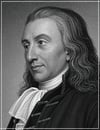
Thomas Boston

Death part 2

Psalm
Thomas Boston January, 11 2007 Audio
0 Comments
Outstanding sermon! Full of comfort for the godly--and full of dread for the wicked! Be sure to listen to parts 1 and 3.

The sermon titled "Death part 2" by Thomas Boston extensively contrasts the states of the righteous and the wicked at the time of death, reflecting on the theological concepts of eternal security and the finality of judgment. Boston argues that the wicked are forcibly driven away in their unrepentant sin, facing hopelessness and impending judgment as indicated in Proverbs 14:32, while the righteous find hope in death, being led into peace as portrayed in Luke 16:22. Scripture is pivotal throughout the sermon, as Boston illustrates the stark differences between both groups, emphasizing that the condition of one's soul at death carries eternal implications. The sermon serves as a dire warning for the unconverted and a source of comfort for believers, highlighting the necessity of true faith and the importance of a reassured relationship with Christ before death approaches.

Key Quotes

“The wicked dying are driven away in their wickedness and in a hopeless state.”

“When death comes, they have no solid ground to hope for eternal happiness.”

“A dying day is a good day to a godly man. Yes, it is his best day.”

“The presumptuous hopes of the ungodly in their death cannot make their state hopeful.”

Sermon Transcript

Auto-generated transcript • May contain errors

100%
The Best of Thomas Boston's Human Nature in its Fourfold State. Four selected chapters from the work.

Chapter Two. The Difference Between the Righteous and the Wicked in Their Death.

The wicked is driven away in his wickedness, but the righteous has hope in his death. Proverbs 14, 32. This text looks like the cloud between the Israelites and Egyptians, having a dark side towards the latter and a bright side towards the former. It represents death, like Pharaoh's Jalor, bringing the chief butler and the chief baker out of prison, the one to be restored to his office and the other to be led to execution. It shows the difference between the godly and ungodly in their death, who, as they act a very different part in life, so in death have a very different exit.

As to the death of a wicked man, here is 1. The manner of his passing out of the world. He is driven away, namely in his death, as is clear from the opposite clause. He is forcibly thrust out of his place in this world, driven away as chaff before the wind. 2. The state he passes away in. He dies also in a sinful and hopeless state. A. In a sinful state, he's driven away in his wickedness. He lived in it and he dies in it. His filthy garments of sin in which he wrapped up himself in his life are his prison garments in which he shall lie wrapped up forever. B. in a hopeless state. But the righteous has hope in his death, which plainly imports the hopelessness of the wicked in their death, whereby is not meant that no wicked man shall have any hope at all when he is dying, but shall die in despair. No, sometimes it is so indeed, but frequently it is otherwise. Foolish virgins may, and often do, hope to the last breath. But the wicked man has no solid hope. As for the delusive hopes he entertains himself with, death will root them up, and he shall be forever irretrievably miserable.

As to the death of a righteous man, he has hope in his death. This is ushered in with a but, importing the removal of these dreadful circumstances with which the wicked man is attended, who is driven away in his wickedness. But the godly are not so. 1. Not so. in the manner of their passing out of the world. The righteous are not driven away as chaff before the wind, but led away as a bride to the marriage chamber, carried away by the angels into Abraham's bosom. Luke 16, 22. 2. Not so as to their state when passing out of this life. The righteous man dies, not in a sinful, but in a holy state. He does not go away in his sin, but out of it. In his life, he was putting off the old man, changing his prison garments, and now the remaining rags of them are removed, and he is adorned with robes of glory. Not in a hopeless, but a hopeful state. He has hope in his death. He has the grace of hope. and the well-founded expectation of better things than he ever had in this world. And though the stream of his hope at death may run shallow, yet he has still so much of it as makes him venture his eternal interests upon the Lord Jesus Christ.

Doctrine 1. The wicked dying are driven away in their wickedness and in a hopeless state. In speaking to this doctrine, one, I shall show how and in what sense the wicked are driven away in their wickedness at death. Two, I shall prove the hopelessness of their state at death. 3. And then apply the whole.

1. How and in what sense the wicked are driven away in their wickedness? In discoursing of this matter, I shall briefly inquire 1. What is meant by their being driven away? 2. Why they shall be driven, and where? 3. In what respects they may be said to be driven away in their wickedness?

But before I proceed, let me remark that you are mistaken if you think that no people are to be called wicked, but those who are avowedly vicious and profane, as if the devil could dwell in none but those whose name is Legion. In scripture account, all who are not righteous in the manner hereafter explained are reckoned wicked. Therefore, the text divides the whole world into two sorts, the righteous and the wicked. And you will see the same thing in Malachi 3.18. Then shall you return and discern between the righteous and the wicked.

Therefore, if you are not righteous, you are wicked. if you have not an imputed righteousness and also an implanted righteousness or united to Christ by faith however moral and blameless in the eyes of men your conversation may be you are the wicked who shall be driven away in their wickedness if death finds you in that state now

1. As to the meaning of this phrase, driven away, there are three things in it. The wicked shall be taken away suddenly, violently, and irresistibly.

1. Unrenewed men shall be taken away suddenly, at death. Not that all wicked men die suddenly, nor that they are all wicked that die so. God forbid. But 1. Death commonly comes upon them unexpectedly, and so surprises them as the deluge surprised the old world, though they were forewarned of it long before it came. And as travail comes on a woman with child, with surprising suddenness, although looked for and expected. 1 Thessalonians 5 3. Death seizes them as a creditor does his detour to drag him to prison, Psalm 55, 15, and that when they are not aware. Death comes in as a thief at the window and finds them full of busy thoughts about this life which that very day perish.

2. Death always seizes them unprepared for it. The old house falls down about their ears Before they have another provided When death casts them to the door They have not where to lay their heads Unless it be on a bed of fire and brimstone The soul and body are as it were Hugging one another in mutual embraces When death comes like a whirlwind And separates them.

3. Death hurries them away in a moment to destruction and makes a most dismal change. The man, for the most part, never knows where he is until, in hell, he lifts up his eyes. Luke 16, 23. The floods of wrath suddenly overwhelm his soul, and before he is aware, he is plunged into the bottomless pit.

2. The unrenewed man is taken away out of the world violently. Driving is a violent action. He is chased out of the world. Job 18. 18. Gladly would he stay if he could, but death drags him away like a malefactor to the execution. He sought no other portion than the profits and pleasures of this world. He has no other. He really desires no other. How can he then go away out of it if he were not driven?

Question But may not a wicked man be willing to die?

Answer. He may indeed be willing to die, but observe it is only in one of three cases. One. in a fit of passion by reason of some trouble that he is impatient to be rid of. Thus, many people, when their passion has got the better of their reason, and when, on that account, they are most unfit to die, will be ready to cry, O to be gone! But should their desire be granted, and death come at their call, they would quickly show they were not in earnest, and that, if they go, they must be driven away against their wills. 2. When they are brimful of despair, may they be willing to die. Thus Saul murdered himself, and Spira wished to be in hell, that he might know the uttermost of what he believed he was to suffer. In this manner men may seek after death, while it flees from them. But fearful is the violence they undergo, whom the terrors of God do thus drive.

3. when they are dreaming of happiness after death foolish virgins under the power of delusion as to their state may be willing to die having no fear of lying down in sorrow how many are there who can give no scriptural ground for their hope who yet have no bands in their death Many are driven to darkness, sleeping. They go off like lions who would roar like lions did they but know what place they are going to. Though the chariot in which they are drives furiously to the depths of hell, yet they fear not because they are fast asleep.

Sleep. The unregenerate man is taken away irresistibly. He must go, though soar against his will. Death will take no refusal, nor admit of any delay, though the man has not lived half his days according to his own computation. If he will not bow, it will break him. If he will not come forth, it will pull the house down about his ears, for there he must not stay. Although the physicians help, friends groan, the wife and children cry, and he himself use his utmost efforts to retain the spirit. His soul is required of him. Yield he must, and go, where he shall never more see light.

Two. Let us consider why they are driven, and where. When the wicked die, one, they are driven out of this world, where they sinned, into the other world, where they must be judged and receive their particular sentences. Hebrews 9, 27. It is appointed unto man once to die, but after this, the judgment. They shall no more return to their beloved earth. Though their hearts are wedded to their earthly enjoyments, they must leave them, they can carry nothing hence. How sorrowful must their departure be, when they have nothing in view so good as that which they leave behind them.

2. They are driven out of the society of the saints on earth into the society of the damned in hell. Luke 16, 22 and 23. The rich man also died and was buried, and in hell he lift up his eyes. What a multitude of the devil's goats do now take place among Christ's sheep, but at death They shall be led forth with the workers of iniquity. Psalm 125 verse 5. There is a mixed multitude in this world, but no mixture in the other. Each party is their set by themselves. Though hypocrites grow here as tares among the wheat, death will root them up, and they shall be bound in bundles for the fire.

3. They are driven out of time into eternity. While time lasts with them, there is hope. But when time goes, all hope goes with it. Precious time is now lavishly stent. It lies so heavy on the hands of many that they think themselves obliged to take several ways to drive away time. But beware of being at a loss what to do in life. Improve time for eternity while you have it. For before long, death will drive it from you and you from it. so as you shall never meet again.

4. They are driven out of their specious pretenses to piety. Death strips them of the splendid robes of a fair profession, with which some of them are adorned, and turns them off the stage in the rags of a wicked heart and life. The word hypocrite properly signifies a stage player who appears to be what indeed he is not. This world is the stage on which these children of the devil impersonate the children of God. Their show of religion is the player's coat, under which one must look who will judge of them aright. Death turns them out of their coat, and they appear in their native dress. It unveils them and takes off their masks. There are none in the other world who pretend to be better than they really are. Depraved nature acts in the regions of horror, undisguised.

5. They are driven away from all means of grace and are set beyond the line, quite out of all prospect of mercy. There is no more an opportunity to buy oil for the lamp. It is gone out at death and can never be lighted again. There may be offers of mercy and peace made after they are gone, but they are to others, not to them. There are no such offers in the place to which they are driven. These offers are only made in that place from which they are driven away.

3. In what respects may they be said to be driven away in their wickedness?

Answer 1. In respect of their being driven away in their sinful, unconverted state. Having lived enemies to God, they die in a state of enmity to Him. For none are brought into the eternal state of consummate happiness, but by the way of the state of grace in His life. The child that is dead in the womb is born dead and is cast out of the womb into the grave. So he who is dead while he lives or is spiritually dead is cast forth of the womb of time in the same state of death into the pit of utter misery. O miserable death, to die in the gall of bitterness and bond of iniquity! It had been incomparably better for such as died thus, that they had never been born.

Answer two, in regard that they die sinning, acting wickedly against God in contradiction to the divine law, for they can do nothing but sin where they live. So death takes them in the very act of sinning, violently draws them from the embraces of their lusts, and drives them away to the tribunal to receive their sentence. It is a remarkable expression, Job 36, 14. They die in youth. The marginal reading is their soul dies in youth, their lusts being lively, their desires vigorous, and expectations big, as is common in youth. And their life is among the unclean, or and the company or herd of them dies among the Sodomites, namely, is taken away in the act of their sin and wickedness as the men of Sodom were. Genesis 19, Luke 17, 28 and 29.

Answer 3. as they are driven away, loaded with the guilt of all their sins. This is the winding sheet that shall lie down with them in the dust. Job 20.11 Their works follow them into the other world. They go away with the yoke of their transgressions wreathed about their necks. Guilt is a bad companion in life, but how terrible will it be in death! It lies now, perhaps, like a cold brimstone on their benumbed consciences, but when death opens the way for sparks of divine vengeance, like fire, to fall upon it, it will make dreadful flames in the conscience, in which the soul will be, as it were, wrapped up forever.

Answered for, the wicked are driven away in their wickedness insofar as they die under the absolute power of their wickedness. While there is hope, there is some restraint on the worst of men. Those moral endowments which God gives to a number of men for the benefit of mankind in this life are so many restraints upon the impetuous wickedness of human nature. But all hope being cut off, and these gifts withdrawn, the wickedness of the wicked will then arrive at its perfection. as the seeds of grace, sown in the hearts of the elect, come to their full maturity at death. So wicked and hellish dispositions in the reprobate come then to their highest pitch. Their prayers to God will then be turned to horrible curses, and their praises to hideous blasphemies. Matthew 25, 13. There will be weeping, and gnashing of teeth. This gives a dismal but correct view of the state of the wicked in another world.

2. I shall discover the hopelessness of the state of unrenewed men at death. It appears to be very hopeless if we consider these four things.

1. Death cuts off their hopes and prospects of peace and pleasure in this life. Luke 12, 19 and 20. So, you have much goods laid up for many years. Take your ease, eat, drink, and be merry. But God said unto him, you fool, this night your soul shall be required of you. Then who shall have those things which you have provided? They look for great matters in this world. They hope to increase their wealth, to see their families prosper, and to live at ease. But death comes like a stormy wind and shakes off all their fond hopes like green fruit from off a tree. When he is about to fill his belly, God will cast the fury of his wrath upon him. Job 20, 23. He may begin a web of contrivances for advancing his worldly interest, but before he gets it wrought out, death comes and cuts it off. His breath goes forth, he returns to his earth. In that very day, his thoughts perish. Psalm 146, 4.

2. When death comes, they have no solid ground to hope for eternal happiness. For what is the hope of the hypocrite, though he has gained, when God takes away his soul? Job 27 8. Whatever hopes they fondly entertain, they are not founded on God's word, which is the only sure ground of hope. If they knew their own case, they would see themselves only happy in a dream.

And indeed, what hope can they have? The law is playing against them and condemns them. The curses of it, those cords of death, are about them already. The Savior, whom they slighted, is now their judge, and their judge is their enemy. How then can they hope? They have bolted the door of mercy against themselves by their unbelief. They have despised the remedy and therefore must die without mercy. They have no saving interest in Jesus Christ, the only channel of conveyance through which mercy flows, and therefore they can never taste it.

The sword of justice guards the door of mercy, so as none can enter in, but the members of the mystical body of Christ over whose head is a covert of atoning blood, the mediator's blood. These indeed may pass without a harm, for justice has nothing to require of them. But others cannot pass, since they are not in Christ. Death comes to them with the sting in it, the sting of unpardoned guilt. It is armed against them with all the force which the sanction of the holy law can give it.

1 Corinthians 15.56 The sting of death is sin, and the strength of sin is the law. When that law was given on Sinai, the whole mount quaked greatly. Exodus 19.18 When the Redeemer was making satisfaction for the elects, breaking it, the earth did quake and the rocks rent. Matthew 27, 51. What possible ground of hope then is there to the wicked man when death comes upon him armed with the force of this law? How can he escape that fire which burnt unto the midst of heaven? Deuteronomy 4.11 How shall he be able to stand in that smoke that ascended up as the smoke of a furnace Exodus 19, 18. How will he endure the terrible thunders and lightenings? Verse 16. And dwell in the darkness, clouds and thick darkness. Deuteronomy 4.11.

All these comparisons heaped together do but saintly represent the fearful tempest of wrath and indignation which shall pursue the wicked to the lowest hell and forever abide on those who are driven to darkness at death.

3. Death roots up their delusive hopes of eternal happiness. then it is that their covenant with death and agreement with hell is broken. They are awakened out of their golden dreams and at length lift up their eyes. Job 8, 14, whose hope shall be cut off and whose trust shall be a spider's web. They trust that all shall be well with them after death, but their trust is as a web woven out of their own bowels with a great deal of art and industry. They wrap themselves up in their hope as the spider wraps herself in her web. But it is a weak and slender defense, for however it may withstand the threatenings of the Word of God, death, that broom of destruction, will sweep them and it both away, so as there shall not be the least shred of it left. And he who this moment will not let his hope go, shall next moment be utterly hopeless. Death overturns the house built on the sand. It leaves no man under the power of delusion.

4. Death makes their state absolutely and forever hopeless. Matters cannot be retrieved and amended after death.

4. 1. Time once gone can never be recalled. If cries or tears, frights or pains could bring time back again, the wicked man might have hope in his death. But tears of blood will not prevail, nor will his roaring for millions of ages cause it to return. The sun will not stay stand still for the sluggard to awake and enter on his journey. And when once it is gone down, he needs not expect the night to be turned into day for his sake. He must lodge through the long night of eternity where his time left him.

Two, there is no returning to this life to amend what is amiss. It is a state of probation and a trial which terminates at death. Therefore we cannot return to it again. It is but once we thus live and once we die. Death carries the wicked man to his own place. Acts 1 25. This life is our working day. Death closes our day and our work together. We may readily admit the wicked might have some hope in their death if, after death has opened their eyes, they could return to life and have but the trial of one Sabbath, one offer of Christ, one day, or but one hour more to make up their peace with God. But man rise down and rises not until the heavens be no more. They shall not awake, nor be raised out of their sleep. Job 14. 12.

3. In the other world, men have no access to get their ruined state and condition retrieved, though they be ever so desirous of it, for there is no work, nor device, nor knowledge, nor wisdom in the grave. Where you go? Ecclesiastes 9.10. Now a man may flee from the wrath to come, he may get into a refuge, but when once death has done its work, the door is shut. There are no more offers of mercy, no more pardons. Where the tree is fallen, there it must lie.

Let what has been said be carefully pondered, and that it may be of use. Let me exhort you, first, to take heed that you entertain no hopes of heaven but what are built on a solid foundation. Tremble to think what fair hopes of happiness death sweeps away like cobwebs. how the hopes of many are cut off when they seem to themselves to be at the very threshold of heaven how in the moment they expected to be carried by angels into Abraham's bosom into the regions of bliss and peace they are carried by devils into the society of the damned in hell into the place of torment and regions of horror I beseech you to beware. One of a hope built upon ground that was never cleared.

The wise builder dug deep. Luke 6, 48. Were your hopes of heaven never shaken? And have you had good hopes all your days? Alas for it! You may see the mystery of your case explained. Luke 11, 21. When a strong man, armed, keeps his palace, his goods are at peace. But if they have been shaken, take heed lest some breaches only have been made in the old building which you have got repaired again by ways and means of your own. I assure you that your hope, however fair a building it is, is not fit to trust to unless your old hopes have been raised and you have built on a foundation quite new.

2. Beware of that hope which looks bright in the dark, that loses all its luster when it is set in the light of God's word, when it is examined and tried by the touchstone of divine revelation. John 3 20 and 21 For everyone that does evil hates the light, neither comes to the light, lest his deeds should be reproved. But he that does the truth comes to the light, that his deeds may be made manifest, that they are wrought in God.

That hope which cannot abide scripture trial, but sinks when searched into by sacred truth, is a delusion and not a true hope. For God's word is always a friend to the graces of God's spirit and an enemy to delusion.

Three, beware of that hope. which stands without being supported by scriptural evidences. Alas, many are big with hopes, who cannot give, because they really have not, any scriptural grounds for them. You hope that all will be well with you after death, but what word of God is it on which you have been caused to hope? Psalm 119.49 What scriptural evidence have you to prove that yours is not the hope of the hypocrite? What have you, after impartial self-examination, as in the sight of God, found in yourself, which the Word of God determines to be a sure evidence of His right to eternal life? Who is possessed of it? Numbers are ruined with such hopes as stand unsupported by scriptural evidence. Men are fond and tenacious of these hopes, but death will throw them down and leave the self-deceiver hopeless.

4. Beware of that hope of heaven, which does not prepare and dispose you for heaven, soul more holy. 1 John 3, 3. Every man that has this hope in him purifies himself even as he is pure. The hope of the most part of men is rather a hope to be free from pain and torment in another life. than a hope of true happiness, the nature whereof is not understood and discerned. Therefore it rests in sloth and indolence, and does not excite to mortification and a heavenly life. So far are they from hoping a right for heaven that they must own if they speak their genuine sentiments. Removing out of this world into any other place whatever is rather their fear than their hope. The glory of the heavenly city does not at all draw their heart upwards to it, nor do they lift up their heads with joy in the prospect of arriving at it. If they had the true hope of the marriage day, they would, as the bride, the Lamb's wife, be making themselves ready for it. Revelation 19.7

but their hopes are produced by their sloth, and their sloth is nourished by their hopes. Oh, sirs, as you would not be driven away helpless in your death, beware of these hopes. Raise them now, and build on a new foundation, lest death leave not one stone of them upon another, and you never be able to hope. anymore.

Secondly, hasten, O sinners, out of your wickedness, out of your sinful state, and out of your wicked life, if you would not at death be driven away in your wickedness. Remember the fatal end of the wicked as the text represents it. I know there is a great difference in the death of the wicked as to some circumstances, but all of them in their death agree in this, that they are driven away in their wickedness.

Some of them die resolutely, as if they scorned to be afraid. Some in raging despair, so filled with horror that they cry out as if they were already in hell. Others in sullen despondency, oppressed with fears, so that their hearts sink within them at the remembrance of misspent time. and the view which they have of eternity, having neither head nor heart to do anything for their own relief. And others die stupidly. They live like beasts and they die like beasts, without any concern on their spirits about their eternal state. They groan under their bodily distress, but have no sense of the danger of their soul. One may, with almost as much prospect of success, speak to a stone as speak to them. Vain is the attempt to teach them. Nothing can be said moves them. To discourse to them either of the joys of heaven or the torments of hell is to plow on a rock or beat the air.

Some die like the foolish virgins, dreaming of heaven. Their foreheads are steeled against the fears of hell with presumptuous hopes of heaven. The business of those who would be useful to them is not to answer doubts about the case of their souls, but to discover to them their own false hopes.

But which waysoever the unconverted man dies, he is driven away in his wickedness, her dreadful case. Oh, let the consideration of so horrid a departure out of this world move you to flee to Jesus Christ as the all-sufficient Savior and almighty Redeemer. Let it prevail to drive you out of your wickedness to holiness of heart and life. Though you reckon it pleasant to live in wickedness, yet you cannot but own it is bitter to die in it. And if you leave it not in time, you must go on in your wickedness to hell, the proper place of it, that it may be set there on its own base. For when you are passing out of this world, all your sins, from the first to the last of them, will swarm about you, hang upon you, accompany you to the other world, and, as so many furies, surround you there forever.

Thirdly, there will be concern for others, especially for your relations, that they may not continue in their sinful natural state, but be brought into a state of salvation, lest they be driven away in their wickedness at death. What would you not do to prevent any of your friends dying an untimely and violent death? But alas, do you not see them in hazard of being driven away in their wickedness? Is not death approaching them, even the youngest of them? And are they not strangers to true Christianity, remaining in that state which they came into the world? O make haste to pluck the brand out of the fire, lest it be burned to ashes. The death of relations often leaves the sting in the hearts of those they leave behind them, because they did not do for their souls as they had opportunity, and because the opportunity is forever taken out of their hands.

The state of the godly In death is a hopeful state. We have seen the dark side of the cloud looking towards ungodly men passing out of the world. Let us now take a view of the bright side of it shining on the godly as they enter on their eternal state.

In discoursing on this subject, I shall confirm this doctrine, answer an objection against it, and then make some practical improvement of the whole.

for confirmation let it be observed that although the passage out of this world by death has a frightful aspect to poor mortals and to miscarry in it must needs be a fatal consequence yet the following circumstances make the state of the godly in their death happy and hopeful

1. They have a trusty good friend before them in the other world. Jesus Christ, their best friend, is Lord of the land to which death carries them. When Joseph sent for his father to come down to him, to Egypt telling him God has made him Lord over all Egypt Genesis 45 9 and Jacob saw the wagons Joseph had sent to carry him the spirit of Jacob revived verse 27 he resolves to undertake the journey I think when the Lord calls a godly man out of the world he sends him such glad tidings and such a kind invitation into the other world that he has faith to believe it. His spirit must revive when he sees the wagon of death which comes to kill

It is true indeed, he has a weighty trial to undergo, after death the judgment. But the case of the godly is altogether hopeful, for the lord of the land is their husband, and their husband is the judge. The father has committed all judgment unto the son. John 5.22. Surely the case of the wife is hopeful when her own husband is her judge. Even such a husband as hates divorce. No husband is so loving and so tender of his spouse as the Lord Christ is of his. One would think it would be a very bad land which a wife would not willingly go to where her husband is the ruler and judge.

Moreover, their judge is the advocate. 1 John 2, 1. We have an advocate worth the Father, Jesus Christ the righteous. Therefore they need not fear their being put back and falling into condemnation. What can be more favorable? Can they think that he who pleads their cause will himself pass sentence against them?

Yet further, their Advocate is their Redeemer. They are redeemed with the precious blood of Christ. 1 Peter 1 18-19 So when he pleads for them, he is pleading his own cause, though an advocate may be careless of the interest of one who employs him. If surely he will do his utmost to defend his own right, which he has purchased with his money, and shall not their advocate defend the purchase of his own blood,

But more than all that, their redeemer is their head, and they are his members. Ephesians 5, 23 and 30. though one were so silly as to let his own purchase go without standing up to defend his right, yet surely he will not part with a limb of his own body. Is not their case then hopeful in death, who are so closely linked and allied to the Lord of the other world, who are the keys of hell and of death?

2. They shall have a safe passage to another world. They must indeed go through the valley of the shadow of death, but though it be in itself a dark and shady valley, it shall be a valley of hope to them. They shall not be driven through it, but be as men in perfect safety, who fear no evil. Psalm 23, 4. Why should they thus fear? They have the Lord of the land's safe conduct, His path sealed with His own blood, namely the blessed covenant, which is the saints' deathbed comfort.

2 Samuel 23 5 Although my house be not served with God, yet he has made with me an everlasting covenant, ordered in all things and sure. For this is all my salvation, and all my desire, although he make it not to grow. who then can harm them. It is safe riding in Christ's chariots, Canticles 3, 9, both through life and death.

They have good and honorable attendants, a guard, even a guard of angels. These encamp about them in the time of their life, and surely will not leave them in the day of their death. These happy ministering spirits are attendants on their Lord's Bride and will doubtless convey her safe home to His house. When friends in mournful mood stand by the saint's bedside, waiting to see him draw his last breath, his soul is waited for by angels to be carried into Abraham's bosom. Luke 16, 22.

The captain of the saint's salvation is the captain of this holy guard. He was their guide even unto death, and he will be their guide through it, too. Psalm 23, 4. Yes, though I walk through the valley of the shadow of death, I will fear no evil, for you are with me. They may without fear pass that river, being confident it shall not overflow them, and they may walk through that fire, being sure they shall not be burnt by it. Death can do them no harm. It cannot even hurt their bodies. For though it separate the soul from the body, it cannot separate the body from the Lord Jesus Christ. Even death is to them but sleep in Jesus. 1 Thessalonians 4, 14.

They continue members of Christ, though in a grave. Their dust is precious dust, laid up in the grave as in their Lord's cabinet. They lie in a grave mellowing as precious fruit, laid up to be brought forth to him at the resurrection. The husbandman has corn in his barn, and corn lying in the ground. The latter is more precious to him than the former, because he looks to get it returned with increase. Even so, The dead bodies of the saints are valued by their Savior. They are sown in corruption to be raised in incorruption. Sown in dishonor to be raised in glory. 1 Corinthians 15, 42 and 43.

It cannot hurt their souls. It is with the souls of the saints at death, as with Paul and his company in their voyage, whereof we have the history, Acts chapter 27. The ship was broken to pieces, but the passengers got all safe to land. When the dying saint's speech is stopped, his eyes set, and his last breath drawn, the soul gets safe away into the heavenly paradise, leaving the body to return to its earth, but in the joyful hope of a reunion at its glorious resurrection.

But how can death hurt the godly? It is a foiled enemy. If it casts them down, it is only that they may rise more glorious. Our Savior Jesus Christ has abolished death. 2 Timothy 1 10 The soul and life of it is gone. It is but a walking shadow that may fright, but cannot hurt. Saints, it is only the shadow of death to them. It is not the thing itself. Their dying is but as dying or somewhat like dying. The apostle tells us it is Christ that died, Romans 8.34. Even the first Christian martyr, though stoned to death, yet only fell asleep, Acts 7, 60. Certainly the nature of death is quite changed with respect to the saints. It is not to them what it was to Jesus Christ, their head. It is not the venomed, ruining thing wrapped up in the sanction of the first covenant, Genesis 2, 17. In the day you eat thereof, you shall surely die. It comes to the godly without a sting. They may meet it with that salutation, O death, where is your sting? Is this Marah? Is this bitter death? It went out full into the world when the first Adam opened the door to it, but The second Adam has brought it again empty to his own people.

I feel a sting, may the dying saint say, yet it is but a bee sting, stinging only through the skin. But, O death, where is your sting, your old sting, the serpent's sting that stings to the heart and soul? The sting of death is sin, but that is taken away. If death arrests the saint and carries him before the judge to answer for the debt he contracted, the debt will be found paid by the glorious surety, and he has the discharge to show. The thorn of guilt is pulled out of the man's conscience, and his name is blotted out of the black roll and written among the living in Jerusalem.

It is true it is a great journey through the valley of the shadow of death, but the saint's burden is taken away from his back. His iniquity is pardoned. He may walk at ease. No lion shall there be, nor any ravenous beast. The redeemed may walk at leisure there, free from all apprehensions of danger. Free. they shall have a joyful entrance into the other world. Their arrival in the regions of bliss will be celebrated with rapturous hymns of praise to their glorious Redeemer.

A dying day is a good day to a godly man. Yes, it is his best day. It is better to him than his birth day or than the most joyous day which he ever had on earth. A good name, says the wise man, is better than precious ointment and the day of death than the day of one's birth. Ecclesiastes 7, 1.

The notion of the immortality of the soul and of future happiness, which obtained among some pagan nations, had wonderful effects on them. Some of them, when they mourned for the dead, did it in women's apparel. That being moved with the indecency of the garb, they might sooner lay aside their mourning. Others buried them without any lamentation or mourning, but had a sacrifice and a feast for friends upon that occasion. Some were used to mourn at births. and rejoice at burials, but the practice of some Indian nations is yet more strange, where, upon the husband's decease, his wife or wives, with a cheerful countenance, enter the flames prepared for the husband's corpse.

But however false notions of a future state, assisted by pride, affectation of applause, apprehensions of difficulties in this life, and such like principles proper to depraved human nature, may influence crude, uncultivated minds when strengthened by the arts of hell. Oh, what solid joy and consolation may they have who are true Christians, being in Christ, who has brought life and immortality to light through the gospel. 2 Timothy 1.10.

Death is one of those all things that work together for good to those who love God. Romans 8.28. When the body dies, the soul is perfected. The body of death goes off at the death of the body. What harm did the jailer to Pharaoh's butler when he opened the prison door to him and let him out? Is the bird in worse case when at liberty than when confined in a cage? Thus, and no worse, are the souls of the saints treated by death. It comes to the godly man, as Haman came to Mordecai with the royal apparel and the horse, Esther 6, 11, with commission to do them honor, however awkwardly it be performed. I question not, but Haman performed the ceremony with a very ill mien, a pale face, a downcast look, and a cloudy countenance, and like one who came to hang him rather than to honor him. But he whom the king delighted to honor must be honored, and Haman, Mordecai's grand enemy, must be the man employed to put this honor upon him.

Glory, glory, glory, blessing and praise to our Redeemer, our Savior, our Mediator, by whose death, grim, devouring death. is made to do such a good office to those whom it might otherwise have hurried away in their wickedness to utter and eternal destruction.

A dying day is in itself a joyful day to the godly. It is the redemption day when the captives are delivered, when the prisoners are set free. It is the day of the pilgrims coming home from their pilgrimage, the day in which the heirs of glory return from their travels to their own country and their father's house and enter into actual possession of the glorious inheritance. It is their marriage day. Now is the time of espousals. But then the marriage is consummated and a marriage feast begun which has no end.

If so, is not the state of the godly in death a hopeful state?

2. Objection. But if the state of the godly in their death be so hopeful, how come it to pass that many of them, when dying, are full of fears and have little hope?

Answer, it must be owned that saints do not all die in one and the same manner. There is a diversity among them as well as among the wicked. Yet the worst case of a dying saint is indeed a hopeful one. Some die triumphantly in the full assurance of faith. 2 Timothy 4, 6-8 The time of my departure is at hand. I have fought a good fight. I have finished my course. I have kept the faith. Henceforth there is laid up for me a crown of righteousness. They get a taste of the joys of heaven while here on earth and begin the songs of Zion while yet in a strange land.

Others die in a solid dependence of faith on their Lord and Savior. Though they cannot sing triumphantly, yet they can, and will, say confidently, the Lord is their God. though they cannot triumph over death, with old Simeon having Christ in his arms and saying, Lord, now let your servant depart in peace according to your word, for my eyes have seen your salvation. Luke 2 29 and 30. Yet they can say with dying Jacob, I have waited for your salvation, Lord. Genesis 49 18. His left hand is under their head to support them, though his right hand does not embrace them. They firmly believe, though they are not filled with joy in believing. They can plead the covenant and hang by the promise, although their house is not so with God as they could wish.

But the dying day of some saints may be like that day mentioned in Zechariah 14.7, not day nor night. They may die under great doubts and fears, sitting as it were in a cloud, and going to heaven in a mist. They may go mourning without the sun, and never put off their spirit of heaviness until death strips them of it. They may be carried to heaven through the confines of hell, and may be pursued by the devouring lion, even to the very gates of the near Jerusalem, and may be compared to a ship almost wrecked in sight of the harbor, which yet gets safe into her port. 1 Corinthians 3. 15. If any man's work shall be burnt, he shall suffer loss, but he himself shall be saved, yet so as by fire. There is safety amid their fears, but danger in the wicked's strongest confidence, and there is a blessed seed of gladness in their greatest sorrows. Light is sown for the righteous and gladness for the upright in heart. Psalm 97 11.

Now, saints are liable to such perplexity in their death, because, though they are Christians indeed, yet they are men of like passions with others, and death is a frightful object in itself. Whatever dress it appears in, the stern countenance with which it looks at mortals can hardly fail of causing them to shrink. Moreover, the saints are, of all men, the most jealous of themselves. They think of eternity and of a tribunal more deeply than others do. With them it is a more serious thing to die than the rest of mankind are aware of. They know the deceits of the heart, the subtleties of depraved human nature better than others do. Therefore they may have much to do to keep up hope on a deathbed while others pass off quietly.

but rather that Satan who uses all his art to support the hopes of the hypocrite will do his utmost to mar the peace and increase the fears of the saint. and finally the bad frame of spirit and ill condition in which death sometimes seizes a true Christian may cause this perplexity by his being in the state of grace he is indeed always habitually prepared for death and his dying safely is ensured. But yet, there is more necessary to his actual preparation, and dying comfortably, his spirit must be in good condition, too.

Therefore there are three cases in which death cannot but be very uncomfortable to a child of God. One, if it seizes him at a time when the guilt of some particular sin unrepented of is lying on his conscience and death comes on that very account to take him out of the land of the living as was the case of many of the Corinthian believers 1 Corinthians 11 30 for this cause namely of unworthy communicating Many are weak and sickly among you, and many sleep. If a person is surprised with the approach of death while lying under the guilt of some unpardoned sin, it cannot but cause a mighty consternation.

2. when death catches him napping. The midnight cry must be frightful to the sleeping virgins. The man who lies in a ruinous house and awakes not until the timbers begin to crack and the stones to drop down about his ears may indeed get out of it safely, but not without fears of being crushed. by its fall. When a Christian has been going on in a course of security and backsliding and awakens not until death comes to his bedside, it is no wonder that he gets a fearful awakening.

3. When he has lost sight of his saving interest in Christ and cannot produce evidences of his title to heaven, it is hard to meet death without some evidences of a title to eternal life at hand, hard to go through the dark valley without the candle of the Lord shining upon the head. It is a terrible adventure to launch out into eternity when a man can make no better of it than a leap in the dark, not knowing where he shall land, whether in heaven or hell.

Nevertheless, the state of the saints in their death is always in itself hopeful. The presumptuous hopes of the ungodly in their death cannot make their state hopeful. Neither can the fears of a saint make his state hopeless, for God judges according to the truth of the thing, not according to men's opinions about it. Therefore the saints can be no more altogether without hope than they can be altogether without faith. Their faith may be very weak, but it fails not, and their hope very low, yet they will and do hope to the end. Even while the godly seem to be carried away with the stream of doubts and fears, there remains still as much hope as determines them to lay hold on the tree of life that grows on the banks of the river.

Jonah 2, 4, Then I said, I am cast out of your sight, yet I will look again toward your temple. This speaks comfort to the godly against the fear of death. A godly man may be called a happy man before his death, because whatever befalls him in life, he shall certainly be happy at death. You who are in Christ, who are true Christians, have hope in your end, and such a hope as may comfort you against all those fears which arise from the consideration of a dying hour. This I shall branch out in answering some cases briefly.

Case 1. The prospect of death, will some of the saints say, is uneasy to me, not knowing what shall become of my family when I am gone. Answer. The righteous has hope in his death, as to his family, as well as himself, although you have little for the present to live upon, which has been the condition of many of God's chosen ones. 1 Corinthians 4.11. We, namely the apostles, both hunger and thirst, and are naked, and are buffeted, and have no certain dwelling place. And though you have nothing to leave them, as was the case of that son of the prophets, who feared the Lord, and yet died in debt, which he was unable to pay, as his poor widow represents 2 Kings 4.2.

Yet you have a good friend to lead them to, a covenant God to whom you may confidently commit them. Leave your fatherless children. I will preserve them alive and let your widows trust in me. Jeremiah 49 11. The world can bear witness of signal settlements made upon the children of providence, such as by their pious parents have been cast upon God's providential care. It has been often remarked that they lacked neither provision nor education. Moses is an eminent instance of this. He, though he was an outcast infant, Exodus 2.3. Yet became learned in all the wisdom of the Egyptians. Acts 7.22. And became king in Jeshurun. Deuteronomy 33.5.

Oh, may we not be ashamed that we do not confidently trust Him with the concerns of our families, to whom, as our Savior and Redeemer, we have committed our eternal interests?

Case 2. Death will take us away from our dear friends. Yes, we shall not see the Lord in the land of the living, in the blessed ordinances. Answer, it will take you to your best friend, the Lord Christ. The friends you leave behind you, if they be indeed people of worth, you will meet again when they come to heaven, and you will never be separated anymore. If death takes you away from the temple below, it will carry you to the temple above. It will indeed take you from the streams, but it will set you down by the fountain. If it puts out your candle, it will carry you where there is no night, where there is an eternal day.

Case 3. I have so much to do in time of health, to satisfy myself as to my interest in Christ, about my being a real Christian, a regenerate man, that I judge it is almost impossible I should die comfortably. Answer. If it is thus with you, then double your diligence to make your calling and election sure. Endeavor to grow in knowledge and walk closely with God. Be diligent in self-examination and pray earnestly for the Holy Spirit, whereby you may know the things freely given you of God. If you are enabled by the power and Spirit of Christ, Thus diligently to prosecute your spiritual concerns, may the time of your life be neither day nor night, yet at evening time it may be light.

Many weak Christians indulge doubts and fears about their spiritual state, as if they placed at least some part of religion in their imprudent practice. but towards the end of life they think and act in another manner. The traveler who reckons that he has time to spare may stand still debating with himself whether this or the other be the right way. But when the sun begins to set, he is forced to lay aside his scruples and resolutely to go forward in the road which he judges to be all night in the open fields. Thus some Christians who perplex themselves much throughout the course of their lives with jealous doubts and fears content themselves when they come to die with such evidences of the safety of their state as they could not be satisfied with before. and by disputing less against themselves, and believing more, court the peace they formerly rejected, and gain it too.

Case 4. I am under a sad decay in respect of my spiritual condition.

Answer. Bodily consumptions may make death easy, but it is not so in spiritual decays. I will not say that a godly man cannot be easy in such a case when he dies, but I believe it is rarely so. Ordinarily, I suppose a cry comes to awakened sleeping virgins before death comes. Samson is set to grind in the prison until his locks grow again. David and Solomon fell under great spiritual decays, but before they died, they recovered their spiritual strength and vigor. However, bestir yourselves without delay to strengthen the things that remain. Your fright will be the last for being awakened from spiritual sleep before death comes to your bedside, and you ought to lose no time, seeing you know not how soon death may seize you.

Case 5. It is terrible to think of the other world, that world of spirits which I have so little acquaintance with.

answer. Your best friend is Lord of that other world. Abraham's bosom is kindly even to those who never saw his face. After death your soul becomes capable of converse with the blessed inhabitants of that other world. The spirits of just men made perfect were once such as your spirit now is. And as for the angels, however superior their nature in the rank of beings, yet our nature is dignified above theirs. In the man, Christ, and they are all of them your Lord's servants, and so your fellow servants.

Case 6. The pangs of death are terrible.

answer, yet not so terrible as pangs of conscience caused by a piercing sense of guilt and apprehensions of divine wrath with which I suppose them to be not altogether unacquainted. But who would not endure bodily sickness that the soul may become sound and every wit whole? Each pang of death will set sin a step nearer the door, and with the last breath, the body of sin will breathe out its last. The pains of death will not last long, and the Lord your God will not leave, but support you under them.

Case 7. And I am likely to be cut off in the midst of my days.

Answer. Do not complain, you will be the sooner at home. You thereby have the advantage of your fellow laborers who were at work before you in the vineyard. God in the course of his providence hides some of his saints early in the grave. that they may be taken away from the evil to come. An early removal out of this world prevents much sin and misery. They have no ground of complaint who get the residue of their years in Emmanuel's land. Surely you shall live as long as you have work cut out for you by the great master to be done for him in this world, and when that is at an end, it is high time to be gone.

Case 8. I am afraid of sudden death. Answer. You may indeed die so. Good Eli died suddenly, 1 Samuel 4 18. Yet death found him watching, verse 13. Watch therefore, for you know not what hour the Lord does come, Matthew 24 42. But be not afraid, it is an expressible comfort that death, come when it will, can never catch you out of Christ, and therefore can never seize you as a jailor to hurry you into the prison of hell. Sudden death may hasten and facilitate your passage to heaven, but can do you no prejudice.

Case 9. I am afraid it will be my lot to die lacking the exercise of reason. Answer. I make no question but a child of God, a true Christian, may die in this case. But what harm? There is no hazard in it as to his eternal state. A disease at death may divest him of his reason, but not of his religion. When a man going on a long voyage has put his affairs in order and put all his goods aboard, he himself may be carried on board the ship sleeping. All is safe with him, although he knows not where he is, until he awake in the ship. Even so, the godly man who dies in this case may die uncomfortably, but not unsafely.

Case 10. I am naturally timorous and the very thoughts of death are terrible to me. Answer. The less you think on death, the thoughts of it will be the more frightful. Make it familiar to you by frequent meditations upon it, and you may thereby quiet your fears. Look at the white and bright side of the cloud. Take faith's view of the city that has foundations. So shall you see hope in your death. Be duly affected with the body of sin and death, the frequent interruptions of your communion with God, and with the glory which dwells on the other side of death. This will contribute much to remove slavish fear. It is a pity that saints should be so fond of life as they often are. They ought to be always on good terms with death.

1. Matters are dearly considered. It might be well expected that every child of God, every regenerate man, should generously profess concerning this life what Job did. Chapter 7, 16.

1. Consider the sinfulness that attends life in this world. While you live here, you sin and see others sinning. You breathe infectious air. You live in pest house. Is it at all strange to loathe such a life? Your own plague sores are running on you. Does not the sin of your nature make you groan daily? Are you not sensible that, though the cure is begun, it is far from being perfected? Has not the leprosy got into the walls of the house, which cannot be removed without pulling it down? Is not your nature so vitiated that no less than the separation of the soul from the body can root out the disease? Have you not your sores without, as well as your sickness within? Do you not leave marks of your pollution on whatever passes through your hands? Are not all your actions tainted and blemished with defects and imperfections? Who then should be much in love with life, but such whose sickness is their health, and who glory in their shame?

Two, the loathsome sores of others are always before your eyes. Go where you will. The follies and wickedness of men are everywhere conspicuous, and make but an unpleasant scene. This sinful world is but an unsightly company, a disagreeable crowd, in which the most loathsome are the most numerous.

3. Are not your own sores often breaking out again after healing? frequent relapses may well cause us remit of our fondness for this life to be ever struggling and and on falling into the mire again makes weary work Do you never wish for cold death, thereby effectually to cool the heat of these lusts, which so often take fire again, even after a flood of godly sorrow has gone over them?
Thomas Boston
About Thomas Boston
Thomas Boston (1676–1732) was a Scottish Presbyterian minister and theologian known for his deep piety, pastoral care, and theological clarity. Educated at the University of Edinburgh, he ministered first in Simprin and later in Ettrick, where he served for the rest of his life. Boston was a key figure in the Marrow Controversy, defending the doctrines of grace and assurance found in The Marrow of Modern Divinity. His most famous work, Human Nature in Its Fourfold State, remains a classic of Reformed theology, outlining the spiritual conditions of man from creation to eternity. Boston's writings and ministry left a lasting legacy in Scottish Calvinism, emphasizing both doctrinal soundness and heartfelt devotion.
Broadcaster:

Comments

0 / 2000 characters
Comments are moderated before appearing.

Be the first to comment!

Joshua

Joshua

Shall we play a game? Ask me about articles, sermons, or theology from our library. I can also help you navigate the site.