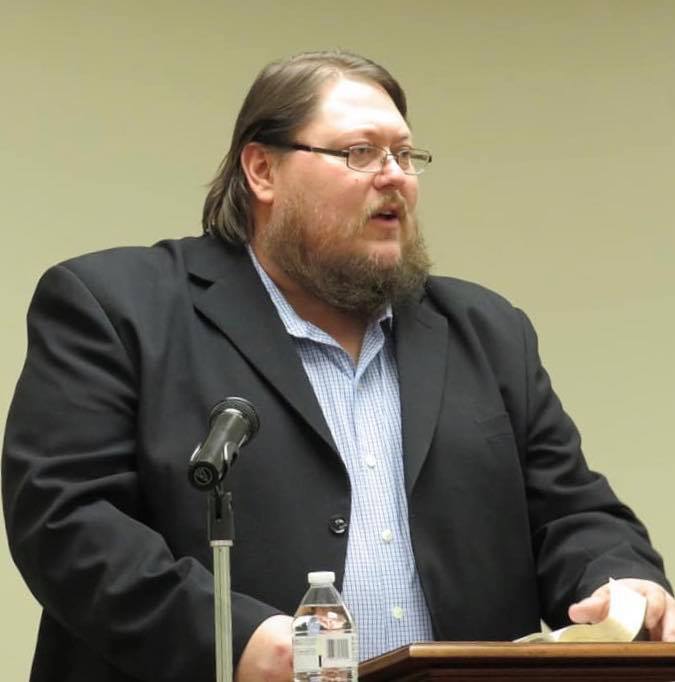
The sermon titled "Polity of the Church Pt. 2" by Mikal Smith primarily addresses the governance of the church, advocating for a congregational polity as supported by Reformed theology. Smith contrasts three major forms of church government: Presbyterian, Episcopal, and Congregational. He argues that the New Testament illustrates a model where authority is vested in the congregation rather than a hierarchical structure, citing examples from Acts 1 and Acts 6, which show the early church making decisions collectively. Smith emphasizes the doctrinal significance of congregational governance, wherein the church body holds the power to appoint leaders and make decisions, thus underscoring the local church’s autonomy and accountability directly to Christ and Scripture.
“The government of the church is a congregational style government… the authority of Christ has been delegated to the congregation.”
“The local church is not the final court of appeal and doesn't hold the keys to the kingdom.”
“It was the congregation who carried out the discipline… not the session.”
“The church made that decision. If the church chose the apostle… then who was greater, the apostle or the church?”
The Bible teaches that church government should be congregational, with authority resting in the congregation under Christ.
Acts 1:15-26, Acts 6:1-6
Congregational government is confirmed through biblical examples where early churches made collective decisions led by the Holy Spirit.
Acts 1:15-26, Acts 6:3-6
Congregational polity allows for the body of Christ to exercise collective authority and ensures that all members participate in decision-making.
1 Peter 2:9, Ephesians 4:11-13
Auto-generated transcript • May contain errors

Comments
Your comment has been submitted and is awaiting moderation. Once approved, it will appear on this page.
Be the first to comment!