Bootstrap
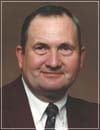
Carroll Poole

A Woman At Worship

Luke 7:36-50
Carroll Poole June, 17 2018 Audio
0 Comments
Carroll Poole
Carroll Poole June, 17 2018

Sermon Transcript

Auto-generated transcript • May contain errors

100%
It's reading 36 through 50, Luke
chapter 7. There is a certain irony here.
All through the four gospels, we find a conflict continually
between the Pharisees and the Lord Jesus. But here the Lord
is invited by a Pharisee whose name was Simon to come to his
house and to eat a meal. And the Lord accepted the invitation. We read toward the end here that
there were others there also, them that said it meet with him. So there was a certain group
there. What this man's motive was, some
say it was total hypocrisy. to want to win the Lord's approval.
I don't really see that that was his motive. Others have said that this Pharisee
probably hadn't made up his mind yet about the Lord Jesus, who
he was, and just wanted to be a little more
familiar with him, have him in his home. That's very unlikely. Most likely the reason was to
trap the Lord Jesus and to catch him in some role. And he had some friends there
with him to help in this investigation of sorts. And they wanted to
trap the Lord Jesus. He, this man wanted to look good
in the eyes of his friends, fellow Pharisees. So he's invited the
Lord to a dinner party. Now this was not a public event. Private, just anybody couldn't
come. It's by invitation only. Verse 37 tells us, and behold,
a woman in the city, a city woman now, which was a sinner. Now down in verse 39, the Pharisee
called her a sinner. But here in verse 37, the divine
record, the Holy Spirit recording this says that she was a sinner. She was a woman in the city.
Obviously the entire city knew the reputation she had, but something
had happened in this woman's heart. The Pharisee didn't know
it. None of the rest of them knew
it. But she is now acting like a sinner with a changed heart.
That's how I'm supposed to be acting. That's how you're supposed
to be acting. A sinner with a changed heart. And when she hears where the
Lord is, she comes to the Pharisee's house and brings an expensive
box of alabaster ointment. Now in Christ's time there was
not a bank on every corner in town like there is now for people
to put their money in, but people would invest in certain expensive
things like oils and ointments and so on. And many Bible scholars
say that this box of ointment could very well have represented
her life savings. It was not something cheap. It
was an alabaster box of ointment. And she opened the box, broke
the seal on the bottle. And verse 38 says, she stood
behind him, weeping, began to wash his feet with tears and
did wipe them with the hairs of her head and kissed his feet
and anointed them with the ointment. The Lord has already done a work
in her heart. And now he deals with the Pharisees.
And this Pharisee named Simon, he begins to reason. He begins
to talk to himself. That's what verse 39 says. He spake within himself. Now that talking to yourself
will get you in trouble. I do a lot of it. I do a lot
of it. You'll convince yourself of things
that really aren't that way. You'll become, if you talk to
yourself a lot, you'll become the best mind reader around.
Well, he don't like me. She don't like me. Well, I wonder what they thought
of what I did. Talking to himself, speak within himself, not out
loud, but the Lord heard it. Did you know you don't have to
talk out loud for the Lord to hear it? In verse 40, Jesus answered him. He hadn't said anything out loud, but the Lord answered him. He heard it. What had the man
said, talking to himself? Well, it's in verse 39. He said,
this man, talking about the Lord Jesus, he doesn't even imply in talking
to himself that he's a believer on the Lord Jesus. He just calls
him this man. This guy I've invited for dinner.
This man, if he were a prophet, Anytime anybody goes to putting
an if concerning the Lord Jesus Christ, that don't sound good. Because
this Bible tells us who He is, what He did. He's the same yesterday,
today, and forever, and there's no ifs, buts, or ands about it. If He were a prophet, People
around town were saying he was a prophet. Well, this Pharisee didn't really
believe that. He says, if he were a prophet, he would have
known who this woman is. He didn't know that Jesus did
know who she was. He knew exactly who she was and
what manner of woman she is, what a sinner she is. He didn't
know that Jesus knew all about her, just like he knew all about
him. And he says, if he had known,
I'll tell you one thing, buddy, he wouldn't have let that woman
touch him. Well, didn't he? Isn't he smart? But the Pharisee never knew that
a sinner's touch could not defile a sinless one. He touched dying lepers and instead
of them contracting leprosy, instead of him contracting leprosy
and dying with leprosy, the leprosy died with his touch. He touched dead bodies and they
lived by his touch. The Pharisee does not know that
a sinner's touch would not defile him. Now he's speaking to himself.
He's talking to himself. But the Lord knows every thought
the man's having. And he answers the man. His name
was Simon. And in verse 40, the Lord Jesus
says to him, Simon, I have somewhat to say unto thee. That's a very polite wording. What he's really saying is I'm
about to rattle your cage, mister. But he says, Simon, I have somewhat
to say to thee. He tells him a little story that
we read about here, beginning in verse 41. There was a certain creditor,
a man that had two people that owed him money. One owed him
a lot, 500 pence, and the other just owed him a little bit, 50.
Neither one of them had the money to pay it, pay the debt. So this
creditor, the man, he forgave them both. Marked the debt off, forgave
them. And then the Lord says to Simon,
said, which one of those two do you think would love that
creditor most? He said, well, I would think
the one that he forgave most, the one that had the biggest
debt. And the Lord said, you, you've
got it right. That's the right answer. Jesus is saying the debtors I'm
talking about are you and this woman. You invited me to your house.
And when I came, you didn't even have the common courtesy, which
was a common courtesy in that day. When somebody come to your
house, you had a, you have a pan of water at the door. and you
have a servant, wash the visitor's feet. Not because they're dirty,
but wearing sandals or being barefoot in the hot eastern country,
the dust alone. Just a soothing, cleansing, it
was a gesture of courtesy. Wash a man's feet. Bring him
on into the house. And the Lord says to this fella,
said, you didn't do that. But this woman has washed my
feet with her tears. She has literally whipped enough
to wash my feet and wiped them with the hairs
of her head. Well, then after that, he said
to him in verse five, thou givest me no kiss. It was a common courtesy,
even for men. You have a visitor, kiss the
man on his brow. Not cheek, not lips, but brow. And this ain't none of this stupid
stuff of men with men and women. It's not that garbage. It was
a custom. It was courteous. It was polite. You greet a friend, a visitor,
by placing a kiss on the brow. And the Lord Jesus said to this
fellow, you invited me here, but you're not treating me like
you want me to be here. You had no water for my feet.
You didn't give me the kiss of courtesy. Welcome, but said this
woman, since the time I came in, hath not ceased to kiss my
feet. Then in verse six is also part
of the welcome to anoint the head with oil. Christ says, the
fella, you didn't do that. But this fella, this woman hath
anointed my feet with this ointment she's brought. She's been forgiven a whole lot.
That's why she loves me a whole lot. The point of the story that I
want to consider for just a few minutes, I'll be very brief.
is the woman came to worship him. That was her only motive
for being there. Nothing else. I wonder if there's anyone here
this morning who came with that single motive to worship the
Lord Jesus Christ. I've heard people say, well,
I want to go. I want to be, I don't know how many will be there.
I don't know. I think we're going to have a lot of people out.
I need to be there. I want to go. No, no, no, no. If you got up this morning, what
about all week? What about this morning? What
about we left the motive to worship the Lord Jesus Christ. And so
I'm just going to quickly mention six things about her worship
and what ours should be. Number one, she was invited. Now true Simon, the Pharisee
never invited her, but God, the Holy ghost did. The same one who brooded over
the face of the waters in Genesis one. and said, let there be light. And there was light. He shined
in this sinner's heart and turned the light on. Let there be light. It's that same power that arrested
her heart after a life of sin and brought light. And when she
heard The Lord Jesus was at this man's house. He said, I'm going.
And she went. Her invitation wasn't in the
mailbox. It was put right in her heart. And she went, it was
real. It was effectual. Apart from
this kind of invitation. The sovereign, irresistible call
of God. You'll never come to the Lord
Jesus. Don't matter if you get invitation
to some church every day of your life. Has to be something going on in here. John 6, 44, Christ
said, no man can come to me. except the Father which has sent
me, draw him. Draw him. Oh, she had an invitation. She had an invitation. And if you would plead with the
Lord, if you don't know that you belong to Him, plead with
Him for an invitation to come to Christ. And if you can do
that, that is your invitation. Otherwise, you'll just shake
it off and go on down the road. If there's no conviction, if it's
not all that important to you right now, it may never be till you lift
your eyes in hell. She came because she couldn't
help but come. And so does every sinner whom
God in mercy lays hold of. She had an invitation. Number
two, she never came to play religion and get out cheap. She gave up her expensive box
of alabaster ointment. She never came hoping she wouldn't
have to use it. She came intending to use it. She gave it to him in her heart
before she came. That's what we need to do. Give
ourselves to the Lord before we come. She came to use it. I know this
can be preached and is a lot of times in terms of financial
giving. But the biggest giving was her
heart. When you've given your heart
to the Lord, nothing else holds much value. Putting a few dollars in the
collection plate is not nearly as important as giving yourself to the Lord.
Not just on Sunday, but all the time. Every word spoken, every
deed done, it's very recognizable. And I fear that's the trouble
in this hour with this congregation and every other congregation,
is that we're just about this close to being as hellish and
low down as the rest of society. And we want them to think we're
something special. I know folks so proud of their
religion. And they're such great Christians.
But if you don't agree with them on some little something, you're
dirt. I know other folks who might not impress you as even having any religion at
all. And yet it comes very easy to
them to be kind to the very vilest of people. to show compassion. That's not natural. Naturally speaking, all of Adam's
race, fallen sinners, were like a bunch of ravening wolves, ready
to devour one another. Compassion, caring, love has
to come from the Lord. for the Lord. And so she comes and gives herself.
Number three, she didn't care what anybody thought about it. What she did was not to impress
people. She didn't have a new Easter
outfit. What must I do? Stay at the house? No. It's in my heart to go and worship
the Lord Jesus. Verse 38, she stood behind him,
weeping, weeping, and began to wash his feet with her tears. She's weeping, weeping uncontrollably. Messing up her makeup was not
an issue. She came to worship Him. Oh, but what if someone sees
me shed a tear? Who cares what anybody thinks? We need to worship the Lord Jesus.
That's the issue. She did wipe his feet with her
hair, her long hair, and kissed his feet. You say, oh dear, I
wouldn't want to be seen doing that. If you came to worship
him, it wouldn't be an issue. She didn't care. She anointed
his feet with the ointment. Number four, she was not humiliated. by what this Pharisee thought. She knew what he thought of her. And she knew he had never changed
his mind about her. It's about time to quit worrying
about what somebody thinks when they're never going to change
their mind about you anyhow. She wasn't there for him. She
was there to meet the Lord. After all, the Pharisee hadn't
invited her. The Lord had. Number five, she
heard with her own ears from the lips of the Lord Jesus what her heart longed to hear.
Verse 48, He said unto her, Thy sins are forgiven. Forgiven! Is that possible? Is that possible? Men won't forgive. Is it possible? It's not just
possible. It is certain for all sinners who know they're
sinners and come to Christ. This Pharisee didn't have a clue
that he's a sinner. Shucks. No, I know some sinners,
but not me. What about you this morning? You come to church dressed very
nicely, and that's what I want you to do. You all look good
to me. You're behaving quite well. That's
what I want you to do. That's what you ought to do. But is your heart here this morning?
Or is it somewhere else? I mean, are you a sinner? Did you come
as this woman came? She didn't come to compare herself
with anybody. It's easy to say, well, look
around. I'm not so bad. No, don't look around. Consider yourself like this woman marching into
the presence of the Lord Jesus. And knowing you might be despised
for it because of who you are. Push all else aside. Weep bitter tears of repentance.
and hear him say, thy sins are forgiven. Have you heard it? I don't mean audibly, but in
here, have you heard it? And the last thing, number six,
the last word in the chapter, verse 50, peace, peace. He said to the woman, thy faith
has saved thee, Go in peace. Peace, Hebrews 11 says, Hebrews
11 one. Faith, it says, is the conviction
of things hoped for. She believed that she could and
would be accepted of the Lord when she came. And she was, she
was. I never said if she came, that
was settled. She was coming. It was in her heart to come.
She couldn't help it. But she believed that he'd receive
her with peace. Can you believe that? Some of
you this morning do not believe the Lord would receive you with
peace. You've just been too bad. You know He could, but knowing
yourself like you do, you just don't believe He would. He receives folks that come to
Him. He don't receive folks that come
to church. He receives folks that come to Him. John 6, 37, all that the Father
giveth me, shall come to church. No, no, no, that's not what it
said. All that the Father giveth me shall come to me. And him that cometh to me I will
in no wise cast out. That's the issue. She believed he'd receive her
with peace. And he did. This old Pharisee, he was very
proud of himself and his religion. His life was all about what can
I do for the Lord? Not really for the Lord, but
what can I do to make myself look better? I know I'll invite
him to dinner. That would be nice. I'll have
him over for dinner. That was his attitude. After
all, he could probably use a good home-cooked meal. He lives in
the woods. Him and that bunch follows him.
He said himself, don't have anywhere to lay his head. He's homeless. He could use a good meal. He needs me. I need to do something
nice for him. But the sinner woman came knowing
that Jesus never needed her. She needed him. Does he need you this morning?
If he does, your head's messed up. No, he don't need any of
us. We need him. We need him. She's brought her gift. And gladly
given it. Worshipping him. Knowing that
he never needed what she could give him. But she needed what
he could give her. She had lived, obviously, a life
of sin. A city woman, which was a sinner. She knew what she was. Everybody
else knew what she was. And nobody cared. She knew that. But there was something. And
that something was not a thing. It was a person. The Holy Spirit
of God had arrested her heart and drawn her to Christ. And
she came. She came believing that he cared. Nobody else cared and she knew
it, but somehow she believed that he cared. Can you believe
that? If you could come to him believing that he cares about
you, your life would be changed forever. And he'd speak that
word, peace. Thy faith hath saved thee. Go in peace. Amen. Thank you for listening.
Carroll Poole
About Carroll Poole
Carroll Poole is Pastor of East Hendersonville Baptist Church, Hendersonville, NC. He may be reached via email at carrollpoole@bellsouth.net.
Broadcaster:

Comments

0 / 2000 characters
Comments are moderated before appearing.

Be the first to comment!

Joshua

Joshua

Shall we play a game? Ask me about articles, sermons, or theology from our library. I can also help you navigate the site.