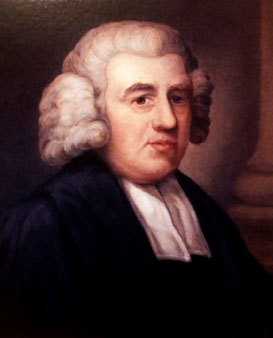
John Newton argues that authentic Christian faith produces a distinctive character marked by integrity, charitable speech, and humble openness toward fellow believers. While Christians must firmly maintain essential doctrines centered on Christ as the foundation and oppose errors that undermine the gospel, they should extend genuine brotherly love and respect for conscience to all who sincerely love Jesus, regardless of denominational differences on secondary matters. This posture flows from recognizing one's own frailty and dependence on God's free grace, leading to speech governed by truth and kindness (Philemon 4-5) and a zeal tempered by meekness rather than bitter invective.
What does the Bible say about loving others despite differences?
The Bible encourages Christians to love all, especially those of the faith, maintaining unity in essentials while allowing for differences in non-essential beliefs.
Philemon 4-5, 1 Peter 2:17
How do we know the importance of civil conduct in Christianity?
Christianity teaches that civil conduct, governed by the principles of truth and kindness, is essential for reflecting Christ in society.
Matthew 7:12, Colossians 4:6
Why is humility important for Christians when discussing doctrine?
Humility is essential for Christians to approach doctrinal discussions with grace, understanding the need for openness and the limitations of human perspective.
James 3:17, Ephesians 4:15
I thank my God... Hearing of thy love and faith, which thou hast toward the Lord Jesus, and toward all saints. - Philemon 4-5
A Christian ... knows he is frail; and therefore dares not be censorious. As a member of society, he is just, punctual in the discharge of every relative duty, faithful to his engagements and promises, rendering to all their dues, obedient to lawful authority, and acting to all men according to the golden rule, of doing as he would be done by. His conduct is simple, devoid of artifice, and consistent, attending to every branch of duty: and in the closet, the family, the church, and in the transactions of common life, he is the same man; for in every circumstance he serves the Lord, and aims to maintain a conscience void of offence in his sight. No small part of the beauty of his profession in the sight of men, consists in the due government of his tongue. The law of truth, and kindness, and purity, is upon his lips. He abhors lying; and is so far from inventing a slander, that he will not repeat a report to the disadvantage of his neighbour, however true, without a proper call. His converse is cheerful, but inoffensive; and he will no more wound another with his wit (if he has a talent that way), than with a knife. His speech is with grace, seasoned with salt, and suited to promote the peace and edification of all around him.
Such is the Christian in civil life. But though he loves all mankind, he stands in a nearer relation, and bears an especial brotherly love, to all who are partakers of the faith and hope of the gospel. This regard is not confined within the pale of a denomination, but extended to all who love the Lord Jesus Christ with sincerity... He rejoices in the image of God, wherever he sees it and in the work of God, wherever it is carried on. Though tenacious of the truths which the Lord has taught him, his heart is open to those who differ from him in less essential points, and allows to others that right of private judgment which he claims for himself, and is disposed to hold communion in love with all who hold the Head.
He cannot indeed countenance those who set aside the one foundation which God has laid in Zion, and maintain errors derogatory to the honor of his Savior, or subversive of the faith and experience of his people; yet he wishes well to them, pities and prays for them, and is ready in meekness to instruct those who oppose. But there is no bitterness in his zeal, being sensible that raillery and invective are dishonorable to the cause of truth, and quite unsuitable in the mouth of a sinner, who owes all that distinguishes him from the vilest of men to the free grace of God! In a word, he is influenced by the wisdom from above, which, as it is pure, is likewise peaceable, gentle, and easy to be entreated, full of mercy and good works, without partiality, and without hypocrisy.

Comments
Your comment has been submitted and is awaiting moderation. Once approved, it will appear on this page.
Be the first to comment!