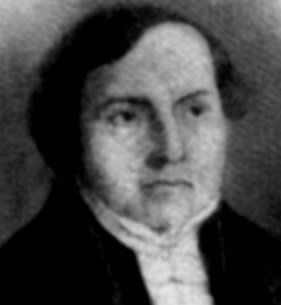
The article by Alexander Carson examines the doctrine of divine providence as it is manifested through the fulfillment of prophecy regarding the Israelites' bondage in Egypt. Carson argues that the predicted sojourn of Abraham's descendants in Egypt, as recorded in Genesis 15:13-16, illustrates God's sovereign control and purpose in history. He details how circumstances, such as the famine that led Joseph’s family to Egypt and Pharaoh's eventual oppression of the Israelites, align with God's providential plan, even when these circumstances appear unjust or irrational from a human perspective (Exodus 1:8-14). The ultimate significance of this analysis lies in acknowledging that God's plans surpass human understanding and that both suffering and deliverance play vital roles in His divine narrative, leading to the eventual rise of Moses as Israel's deliverer.
Key Quotes
“How wonderfully did all circumstances in Providence lead to the fulfilment of this prediction.”
“We see how different is the conduct of this monarch from that of Abimelech... Both acted freely yet they both acted in accordance with the divine appointment without knowing it.”
“It is as great a proof of weakness as of wickedness to attempt to grasp the plans of Jehovah with the feeble intellect of man.”
“The same Providence that brought the Israelites into the most miserable slavery... raised up a deliverer for Israel.”
What does the Bible say about God's Providence?
The Bible teaches that God's Providence orchestrates events in our lives according to His divine wisdom, as seen in Genesis 15:13-14.
Genesis 15:13-16, Exodus 1:8-14
How do we know God's promises are true?
God's promises are confirmed in Scripture through His consistent fulfillment of prophecy, as evidenced in the history of Israel.
Genesis 15:13-16
Why is understanding Providence important for Christians?
Understanding Providence helps Christians trust in God's sovereignty and guidance in all circumstances.
Exodus 1:8-14
It was necessary, in the Divine wisdom, that the posterity of Abraham by Isaac should for a long period sojourn in the land of Egypt. God declared this most particularly to the patriarch.—Gen. xv. 13-16.—" And he said unto Abram, Know of a surety that thy seed shall be a stranger in a land that is not theirs, and shall serve them; and they shall afflict them four hundred years; And also that nation, whom they shall serve, will I judge: and afterward shall they come out with great substance. And thou shalt go to thy fathers in peace; thou shalt be buried in a good old age. But in the fourth generation they shall come hither again: for the iniquity of the Amorites is not yet full." How wonderfully did all circumstances in Providence lead to the fulfilment of this prediction! The whole history of Joseph was a preliminary to it. At the proper time for the removal of Jacob's family into the land of their future slavery, a famine forced them into Egypt. They were obliged to look abroad for provisions, and God had furnished them unto Pharaoh through the means of Joseph. Here then we have them translated to the destined place by the working of an all-wise Providence. By like providential circumstances they were brought into a state of the utmost degradation and misery. They were at first in the highest favour. This was natural and to be expected. The mighty obligations that Pharaoh was under to Joseph were calculated to procure favour to all his kindred. But when it was God's time to reverse the situation of his people, his Providence opened a way to bring them into oppression and slavery. Another king arose, who knew not Joseph, and who was ungenerously and unjustly influenced by fear, jealousy, and ambition.—Exod. i. 8-14.—"Now there arose up anew king over Egypt, which knew not Joseph. And he said unto his people, Behold, the people of the children of Israel are more and mightier than we: Come on, let us deal wisely with them; lest they multiply, and it come to pass, that, when there falleth out any war, they join also unto our enemies, and fight against us, and so get them out of the land. Therefore they did set over them taskmasters to afflict them with their burdens. And they built for Pharaoh treasure cities,—Pithom and Raamses. But the more they afflicted them, the more they multiplied and grew. And they were grieved because of the children of Israel. And the Egyptians made the children of Israel to serve with rigour: And they made their lives bitter with hard bondage, in mortar, and in brick, and in all manner of service in the field: all their service, wherein they made them serve, was with rigour." It was very natural and not unreasonable that the king of Egypt should guard against the growing power of the children of Israel. But why did he not either dismiss them from his kingdom, or treat them justly as subjects? We see how different is the conduct of this monarch from that of Abimelech with respect to Isaac. He is apprehensive of danger from the prosperity of the patriarch, and he mildly and not unjustly commands him to depart out of his kingdom.—Gen. xxvi. 13-17. How different was the conduct of Abimelech from that of Pharaoh! They both acted freely, yet they both acted in accordance with the divine appointment, without knowing it. God had no purpose to serve by oppressing Isaac through Abimelech, and God does not afflict his people without useful purpose. Therefore, he so ordered it by an inscrutable Providence, that Abimelech acted kindly in guarding against the power of Isaac. God had a purpose to serve by the afflictions of the children of Israel in Egypt, though, by a like inscrutable Providence, Pharaoh, instead of dismissing them from his country, desires to enslave them, and retain them in a state of the most abject bondage.
But the same Providence that brought the Israelites into the most miserable slavery, at the same time, through the very means of Pharaoh's tyranny, raised up a deliverer for Israel, and educated him in the very court, and even in the very family, of the oppressor. Moses was exposed, and by a wonderful Providence was made the son of Pharaoh's daughter, in order that he might be the better fitted to become a deliverer to the house of Abraham from bondage in Egypt. How wonderful! how deep are the counsels of Jehovah! We ought to search for them in his word, examine them with the utmost diligence; but not attempt to fathom them, or account for them in agreement with our own wisdom. We ought to behold and bow with the most profound submission. It is as great a proof of weakness as of wickedness to attempt to grasp the plans of Jehovah with the feeble intellect of man. He charges the very angels with folly.

Comments
Your comment has been submitted and is awaiting moderation. Once approved, it will appear on this page.
Be the first to comment!