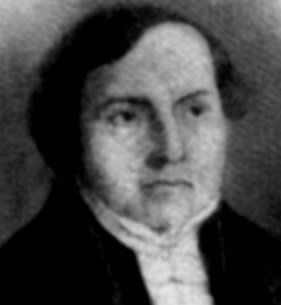
The article "Jacob's Return to Canaan" by Alexander Carson addresses the theological theme of Divine Providence, illustrating how God's guiding hand directs circumstances in favor of His people. Carson argues that both natural and supernatural events collaborate to fulfill God’s ordained will, as seen in Jacob's departure from Laban. He emphasizes key Scripture from Genesis 31:14-16, where Rachel and Leah affirm God's providential care over their inheritance and their willingness to follow Jacob back to Canaan. The significance of this narrative underscores the Reformed doctrine of God's sovereignty, especially concerning the perseverance and deliverance of His elect despite opposition, paralleling the believer's journey toward the ultimate heavenly Canaan.
Key Quotes
“Here we see that what God ordains his Providence effects. All things conspire to fulfil his pleasure and every obstacle that is calculated to oppose it is removed.”
“God frequently brings his people into imminent danger to show his power and Providence in working their deliverance.”
“When the ordinary ways of Providence are not fitted to deliver the Lord's people out of danger, he takes extraordinary means to effect his purpose.”
“No efforts can disappoint them and by the Providence of God many who may at first have attempted to arrest and detain them will in the end dismiss them with their blessing.”
What does the Bible say about God's Providence?
The Bible teaches that God's Providence governs all things and works for the good of His people.
Genesis 31:14-16, Romans 8:28
How do we know God's plan for Jacob was true?
God's plan for Jacob was confirmed through the fulfillment of His promises and orchestrated events allowing Jacob to return home.
Genesis 31:14-16
Why is providence important for Christians?
Providence reassures Christians that God governs all circumstances for their good and His glory.
Romans 8:28, Genesis 31:14-16
As long as it pleased God that Jacob should serve Laban, his Providence made his lot tolerable. But as soon as the moment arrived in which he purposed to send him back to his father's house, all things contributed to force him out of Syria. The sons of Laban began to murmur; and they complained that the substance of their father was transferred to Jacob. "And he heard the words of Laban's sons, saying, Jacob hath taken away all that was our father's; and of that which was our father's hath he gotten all this glory." Laban himself was now disaffected to him, in such a manner that he could not conceal his displeasure. There was no longer any peace for the stranger. God has served his purpose with him in servitude; and he must now go home. "And Jacob beheld the countenance of Laban, and, behold, it was not toward him as before."
In this situation he sends for his wives, and lays before them all his affairs. Do they side with their father? Do they still cling to their kindred and their country? Do they use all their efforts to induce Jacob to relinquish his purpose? Do they, as was natural, try every effort to soften their relatives, and reconcile the parties? No. Instantly they take part with their husband—both of them are equally decided and zealous. They are as ready to set out for Canaan as was Jacob himself. "And Rachel and Leah answered and said unto him, Is there yet any portion or inheritance for us in our father's house? Are we not counted of him strangers? for he hath sold us, and hath quite devoured also our money. For all the riches which God hath taken from our father, that is ours, and our children's: now then, whatsoever God hath said unto thee, do."—Gen. xxxi. 14-16.
Here we see that what God ordains his Providence effects. All things conspire to fulfil his pleasure; and every obstacle that is calculated to oppose it is removed.
Here also we may perceive a shadow of divine things. The spouse of Christ is made willing to leave her parents, her relatives, and her country, and set out with her husband for the heavenly Canaan. There is a willing people in the day of power.
Jacob, however, does not arrive at Canaan without his difficulties. Providentially Laban was not informed of the departure of his son-in-law till the next day; and, therefore, Jacob was far advanced on his journey before he could be overtaken. This was greatly in favour of his escape. But Laban was informed of the flight, not only in time to attempt, but in time to accomplish, the overtaking of the fugitives. God frequently brings his people into imminent danger, to show his power and Providence in working their deliverance. Laban pursues for seven days, and at last overtakes his prey on the mount of Gilead. What now is to be done ? Where now is an escape? Why, when the ordinary ways of Providence are not fitted to deliver the Lord's people out of danger, he takes extraordinary means to effect his purpose. The Lord appears to Laban in a dream, and forbids him to injure Jacob. There is no fear that the Lord will desert his people. In one way or other he will send relief.
But Divine Providence is seen even in this extraordinary deliverance. By the Divine warning the resolution of Laban was changed; and instead of attempting to injure them, he sent them away with his blessing. Thus all the people of God are hunted and pursued by their spiritual adversaries, as soon as they set out for the heavenly Canaan. But no efforts can disappoint them; and by the Providence of God, many who may at first have attempted to arrest and detain them, will in the end dismiss them with their blessing.

Comments
Your comment has been submitted and is awaiting moderation. Once approved, it will appear on this page.
Be the first to comment!