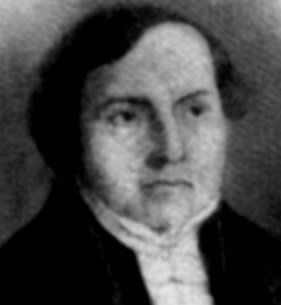
The article by Alexander Carson examines the providential care of God as evidenced in Jacob's return to meet Esau after years of estrangement. Carson argues that despite Esau's initial intent to harm Jacob due to past provocations, God's sovereign will ensured Jacob's safety through ordinary means, rather than miraculous intervention. The author emphasizes that Jacob's strategic approach—using human wisdom and prudence to appease Esau with gifts and humility—illustrates the interplay between divine providence and human action, as exemplified in Scriptures such as Genesis 32:3-21. Carson highlights the theological significance of this encounter, asserting that believers should trust in God’s providence while actively employing the means available to them, reinforcing the Reformed doctrine of God’s sovereignty working through ordinary events to fulfill His purposes.
Key Quotes
“The eternal purposes of God secured his safety as much as if he had been in heaven under the throne of the Most High.”
“Providence works through the prudence of his servant... Human wisdom will say If God delivers then leave it to him.”
“Let the Lord's people then in their distresses think of this... the dark clouds that thicken over their heads may burst in blessings.”
“When Jacob had planned and put in train all that his prudence could contrive to appease his incensed brother he trusts not to this preparation.”
What does the Bible say about God's Providence in our lives?
The Bible teaches that God's Providence orchestrates all events for the good of His people, ensuring their safety even amidst danger.
Romans 8:28
How do we know God's plan is fulfilled even in difficult situations?
God's plan is fulfilled through His Providence, using even trials to achieve His purposes in the lives of believers.
Ephesians 1:11, Romans 8:28
Why is trusting in God's Providence important for Christians?
Trusting in God's Providence is essential for Christians as it assures them of God's unwavering control and care in every circumstance.
Psalm 37:5, Romans 8:28
Notwithstanding that Esau was determined on the murder of his brother, on account of the great provocations he had received from him, yet the eternal purposes of God secured his safety, as much as if he had been in heaven, under the throne of the Most High. But how does God preserve him? By his Providence alone, in the use of ordinary means, in which the eye of human wisdom would see nothing of divine interference at all. No miracle appears in altering the purpose of the intended murderer. All is natural. Providence works through the prudence of his servant. Jacob proposes to meet his brother, and disarm his wrath by the most consummate human wisdom. He avails himself of a deep knowledge of human nature; and connects such a series of conciliating circumstances, that the stubborn soul of Esau is broken down to child-like tenderness. The Patriarch sent messengers before him to apprize his brother of his approach; and charges them, in the first place, to inform him of his wonderful prosperity and riches. This itself is a conciliating circumstance. Prosperity creates friends. But in the case of these brothers, this was calculated to have a peculiar effect. Length of time might have cooled the passion of the discontented brother, but his interest still equally demands the murder. This alone can restore the inheritance, and disappoint the subtlety of Jacob. Nothing was so well calculated to allay the suspicions of evil from Jacob, as the fact of his uncommon wealth. Esau had no respect for the spiritual promises; and the great prosperity of Jacob would tend to convince him that he was in no danger of the machinations of his brother to deprive him of the wealth of Isaac.
The messengers are instructed also to recognise, in Jacob's name, the superiority of his elder brother. He uses the most honourable forms of address to Esau, recognising his lordship over _him, and the most humiliating expressions with regard to himself. This was well calculated to soothe the pride of Esau, and soften his rugged heart.
In the answer of the messengers on their return from Esau, we may see a remarkable instance of Providence. "And the messengers returned to Jacob, saying, We came to thy brother Esau, and also he cometh to meet thee, and four hundred men with him." That this was with hostile intentions is most apparent. Jacob himself understood the matter in this light. "Then Jacob was greatly afraid and distressed." It was not to honour his brother that Esau would take such an escort to meet him. Yet there was no threatening. Not a word in reply, either good or bad. There is great cause for apprehension: there is some room for hope.
Here we see that Divine Providence brings his people into danger, and surrounds them with circumstances that create alarm, and keeps them for a time in suspense, in order to try and exercise their faith and patience. Providence might have instantly relieved Jacob from apprehensions on the return of the messengers. Esau might have been moved instantly to mercy, and to use language that would relieve his brother from his anxiety. Why did he not do so? Does God take pleasure in the pain of his people? No; but it was in wisdom that Jacob was not instantly relieved. Had he got a favourable answer, he would not have had room to exhibit the admirable combination of faith and works which is now presented to our view. His suspense was good for him ; it is good for us. For a like reason, Jesus did not instantly relieve the woman of Syrophenicia. Let the Lord's people, then, in their distresses think of this. Let them hope against hope; and let them never cease to trust in God, and use the means that they may judge most prudent to avert any threatened evil, or obtain any wished-for good. The dark clouds that thicken over their heads may burst in blessings. Providence may bring them to the brink of ruin, and keep them trembling over the precipice; but he can prevent them from falling over, and can draw them back when he pleases.
On the return of the messengers Jacob was greatly alarmed; but he did not despair. He used every precaution of prudence, while he looked to the Lord for deliverance. It is plain that he expected deliverance only from the interposition of Providence; and it is equally plain that he expected this interposition in the use of means. Indeed, though Jacob took the most effectual means to soften Esau, yet all these means would have been utterly ineffectual without the interposition of Providence. Jacob, therefore, while he was planning and employing these means, still says, "Deliver me, I pray thee, from the hand of my brother." Means succeed by Providence, not without it. After all the preparations of Jacob, Esau might have remained obstinate and relentless.
Human wisdom will say, "If God delivers, then leave it to him. Why use means?" "If God says he will save, throw yourself into the river." So said Satan: " Cast thyself down, for it is written." But Christ replies, " It is written again, Thou shalt not tempt the Lord thy God." The means are appointed by God as well as the end. God commanded Jacob to return, and promised to be with him. But in returning Jacob is in great danger, both from Laban and from Esau ; and he uses the means of defence that God put in his power. In the use of these means God delivered him out of the hand of his enemies. Jacob, in faith, reminds God of his command and promise : "Return unto thy country, and to thy kindred, and I will deal well with thee." But while he looks to God for deliverance, he plans and executes a most consummate scheme of wisdom. He divides his flocks into two bands, that if the one should be taken the other might have a chance of escape. Then he selected a present for his brother from his flocks and herds, and divided them into several bands, that the effect on his brother's mind might be the greater; with orders to his servants how to express themselves on the occasion. All these things were well calculated to effect his purpose, and appease the wrath of Esau. But when Jacob had planned and put in train all that his prudence could contrive to appease his incensed brother, he trusts not to this preparation. His confidence was in the God of his fathers, Abraham and Isaac. He spent the night in prayer, and his God gave efficiency to the means which his servant had employed.
How interesting is the meeting of the brothers! Jacob's only hope of safety is in God, for as yet he sees no instance nor symptom of reconciliation in his brother. He approaches him whom he had so greatly offended. "He bowed himself to the ground seven times, until he came near to his brother." The God who has the hearts of all men in his hands was not forgetful of his servant. Esau is overcome. Not only does he not injure, but natural affection bursts in tears from his eyes. "And Esau ran to meet him, and embraced him, and fell on his neck, and kissed him: and they wept." How glorious does the Providence of God appear in this interesting scene!

Comments
Your comment has been submitted and is awaiting moderation. Once approved, it will appear on this page.
Be the first to comment!