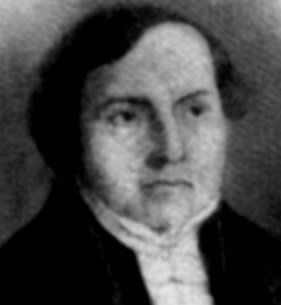
The main theological topic addressed in Alexander Carson's article, "The Removal of Esau to Mount Seir," is the divine providence of God in the historical narrative of Esau and Jacob as described in Genesis. Carson argues that Esau's relocation to Mount Seir was orchestrated by God's providential will, as their prosperity created a situation where it was impossible for both brothers to dwell together in Canaan. The article references Genesis 36:6-8 to illustrate that Esau’s departure was not only necessary for his own inheritance but also ensured the fulfilment of God's broader redemptive plan for Israel. The practical significance of this doctrine lies in the affirmation that God's sovereign governance includes the voluntary decisions of individuals, thus challenging believers to acknowledge and trust in God's mysterious ways, particularly in personal life circumstances and in dealing with sin.
Key Quotes
“How wonderful are the ways of Providence God performs his purposes by the voluntary resolves of the most capricious tyrant as easily as he guides the heavenly bodies by the laws of motion.”
“Let not the Lord's people then sin in secret with the hope of remaining covered.”
“What they do in the secret closet God can proclaim from the housetops.”
“We ought to look on God as being present with us continually as much as if we saw him with our bodily eyes.”
What does the Bible say about Esau's removal to Mount Seir?
Esau's removal to Mount Seir illustrates God's providential care in guiding the circumstances of His creation.
Genesis 36:6-8
How do we know God's providence is true?
God's providence is evidenced by the consistent fulfillment of His promises throughout Scripture.
Genesis 36:6-8
Why is God's providence important for Christians?
Understanding God's providence enables Christians to trust in His sovereignty over life's circumstances.
Genesis 36:6-8
The removal of Esau with his family and effects to Mount Seir, is evidently the effect of a peculiar Providence. The brothers were living in harmony. Why, then, did they not both continue to reside in the land of Canaan? The residence of Esau could not interfere with the right of Jacob to the ultimate inheritance of the land of promise. Let Esau reside where he might, Jacob must go down into Egypt, and others must possess the land of Canaan for a long period. Why, then, not disinherit Esau? If one of the brothers must give place, why did not Jacob? This would be more consistent with his former conduct on his return. He always gave the preference to Esau. The reason obviously is, had Esau continued to live in Canaan, his posterity must be ejected on the return of Israel from Egypt. God gave Mount Seir as an inheritance to the posterity of Esau, and he takes this way to put them in possession. The prosperity of the brothers made it impossible for them both to reside in the same neighbourhood; and God, who rules in the hearts of all men, even of those who know him not, directed that Esau should of himself resolve to leave the country of his birth. "And Esau took his wives, and his sons, and his daughters, and all the persons of his house, and his cattle, and all his beasts, and all his substance, which he had got in the land of Canaan; and went into the country from the face of his brother Jacob. For their riches were more than that they might dwell together; and the land wherein they were strangers could not bear them because of their cattle. Thus dwelt Esau in mount Seir: Esau is Edom."—Gen. xxxvi. 6-8. How wonderful are the ways of Providence! God performs his purposes by the voluntary resolves of the most capricious tyrant, as easily as he guides the heavenly bodies by the laws of motion. Such wisdom is too wonderful for us.
JUDAH S SECRET SIN MANIFESTED BY PROVIDENCE.
Gen. xxxviii. 17.
When the people of the Lord, overcome by temptation, fall into the hands of Satan, and think to indulge in secrecy, without forfeiting their characters, they are generally disappointed. The works of darkness, in the children of this world, the Lord may reveal only when he comes to judgment, to bring to light the hidden things of darkness. But, when his own people forsake him secretly, he often puts them to public shame. The very plans of worldly wisdom, by which they continue to hide their sins, he can make the means of detection and discovery. So was it here with Judah. He was taken in a net, and what he thought to keep secret was laid open not only to those who knew him, but blazoned in the word of God before all generations. Let not the Lord's people, then, sin in secret with the hope of remaining covered. What they do in the secret closet, God can proclaim from the housetops.
How foolish and absurd is it to be more afraid of the eye of man than of God! We ought to look on God as being present with us continually, as much as if we saw him with our bodily eyes. "Thou God seest me," ought to be written, as it were, on the palms of our hands. We cannot by our subtlety hide ourselves from his penetrating eye. And he is a God who hateth iniquity.

Comments
Your comment has been submitted and is awaiting moderation. Once approved, it will appear on this page.
Be the first to comment!