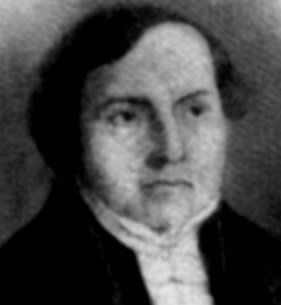
In Alexander Carson's article "Imprisonment of the Chief Butler and Chief Baker," the main theological topic revolves around the providence of God as depicted in the life of Joseph. Carson argues that even in seemingly arbitrary actions, such as Pharaoh's decision to imprison his attendants, divine providence is at work to fulfill God's purposes. The author references Genesis, particularly the dreams of the butler and baker, to illustrate how their imprisonment was divinely orchestrated to lead Joseph to interpret Pharaoh's dreams, which ultimately positioned him to save Israel. This underlines the Reformed doctrine of God's sovereignty, emphasizing that God's plans cannot be thwarted by human actions or sins. The practical significance is a reminder of God's overarching control in our lives, encouraging believers to trust in His providential care even in difficult circumstances.
Key Quotes
“Whatever was the offence of his officers and whatever induced him to send them to prison, the thing was of God that Joseph might be introduced to Pharaoh.”
“The dreams of the officers of Pharaoh are the counterpart of the dreams of Pharaoh and they are designed by the same counsel.”
“Joseph when liberated would without doubt have hastened to his own country... Where then would have been his exaltation as a saviour of Israel and a type of Christ?”
“He [Jesus] was made a servant and was imprisoned in the grave for the sins of men. But he is now exalted and he reigns over all worlds in that nature in which he suffered.”
What does the Bible say about God's Providence?
The Bible teaches that God's Providence governs all events, including the actions of individuals, for His divine purposes.
Romans 8:28
How do we know the interpretation of dreams is important in the Bible?
Dream interpretation is significant in the Bible as it serves as a medium through which God communicates His divine will.
Genesis 40:8
Why is the story of Joseph relevant for Christians today?
Joseph's story illustrates God's faithfulness and sovereignty, providing encouragement for Christians in times of trial.
Hebrews 12:2
Why was Pharaoh on this occasion displeased with two of his attendants? Why did he at this particular time send them to prison? We know nothing of the matter. But we know that, whatever was the offence of his officers, and whatever induced him to send them to prison, the thing was of God, that Joseph might be introduced to Pharaoh. How wonderful is the Providence of God! It overrules in the crimes of subjects and in the caprices of despots. These two men must come to prison at this time, whether it was through their own crimes, or through false suspicions on the part of their lord. This is the way to make Joseph acquainted with majesty.
But it was not enough to bring them to prison, to introduce them to the acquaintance of Joseph; there must be something to be a means of bringing Joseph to the acquaintance of Pharaoh. What then must this be? Kindness, perhaps, on the part of Joseph, to the prisoners. This will not serve. This might liberate Joseph, but it will not raise him to the second place in Egypt. What then are we to have? Why, the dream—the dream is the thing. For this connects with the future dreams of Pharaoh, and brings Joseph to interpret them. The dreams of the officers of Pharaoh are the counterpart of the dreams of Pharaoh: and they are designed by the same counsel. The letter and the type do not correspond more exactly than the dreams of the servants correspond to the future dreams of the master. Joseph's interpretation of the dreams of the chief butler and chief baker was necessary to bring him to interpret the dreams of the king. Nothing, then, but a dream suits the purpose, and dreams we have. him as an interpreter of dreams? Joseph, when liberated, would, without doubt, have hastened to his own country, and by this time he would have been safe in the house of Jacob. Where, then, would have been his exaltation as a saviour of Israel, and a type of Christ? Joseph, then, must be overlooked at the present, and remain quietly in prison till the moment of Pharaoh's dream. Then, like the lightning of heaven, the recollection of Joseph must strike the mind of the chief butler. He must no longer be forgetful. Divine Providence calls all to his recollection. He tells his unvarnished story to his Lord. This is the very man that suits Pharaoh; and now the great character of Joseph must be manifested. Joseph was the son of a wealthy father; but he came to be sold as a slave into Egypt. He comes even into prison and to fetters. But now he comes to save Israel by procuring bread for them in Egypt. Now he comes to his glory. In like manner, Jesus, who thought it not robbery to be equal with God, was made a servant, and was imprisoned in the grave for the sins of men. But he is now exalted, and he reigns over all worlds in that nature in which he suffered. And we should look unto "Jesus, the author and finisher of our faith; who, for the joy that was set before him, endured the cross, despising the shame, and is set down at the right hand of the throne of God."

Comments
Your comment has been submitted and is awaiting moderation. Once approved, it will appear on this page.
Be the first to comment!