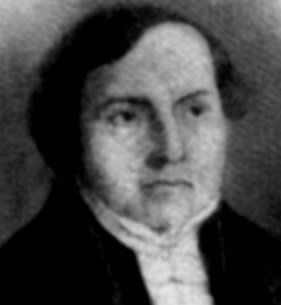
In the article "Jesus Brought Before Herod," Alexander Carson examines the incident of Jesus’ trial before Herod as a demonstration of divine providence and human responsibility. He argues that Herod's encounter with Jesus, arranged through a series of seemingly coincidental events, serves to highlight both the sovereignty of God and the moral culpability of humanity in the crucifixion of Christ. Carson references Luke 23:4-15, emphasizing Pilate’s declaration of Jesus' innocence and Herod's mockery, which illustrate the interplay between divine ordination and human agency. The theological implications underpinning this event speak to the Reformed understanding of God's sovereign plan in salvation history while maintaining that individuals are accountable for their actions against the righteousness of God.
Key Quotes
“Herod was providentially at that time in Jerusalem...it was a chance divinely ordained.”
“Every man is responsible for every thought word and action.”
“How this thing can be ordained of God without affecting the responsibility of the agents is a thing beyond the grasp of human understanding.”
“Pilate...found no fault in this man touching those things whereof ye accuse him no nor yet Herod.”
What does the Bible say about the trial of Jesus before Herod?
The Bible recounts that Jesus was sent before Herod after being examined by Pilate, and Herod found no fault in Him.
Luke 23:4-15
How do we know God's sovereignty in the events of Jesus's trial is true?
God's sovereignty is affirmed in the orchestration of events leading to Jesus's trial and condemnation, as outlined in Scripture.
Luke 23:4-15
Why is the innocence of Jesus important for Christians?
The innocence of Jesus is crucial as it underscores His role as the perfect sacrifice for sin, fulfilling the requirements of atonement.
1 Peter 1:19, Luke 23:4-15
Jesus must stand before the rulers of the earth, both Jewish and Gentile. Herod, then, must hear him, that in the day of judgment he may give account to the Judge of the world for his conduct with regard to the Son of God. Herod was providentially at that time in Jerusalem. We are not told the occasion, but it was a chance divinely ordained. But though Herod was at Jerusalem, Jesus might have been put to death before Herod would have had an opportunity of seeing him. Providence, then, brought the thing about by another chance. The high priest, in urging Pilate to put Jesus to death, happened to speak of Galilee, and the mention of Galilee happened to remind Pilate that Herod was in the city; and the thought happened to occur to Pilate to send Jesus to Herod. We are told by the inspired historian that Herod and Pilate had quarreled, and on that occasion were made friends. It appears, then, that Pilate designed it as a compliment to Herod when he sent Jesus before him; and Herod felt it as a compliment, so that a mutual good understanding was restored. Now, all these happenings were links in the chain which drew Jesus before the tribunal of Herod. Besides, as Jesus was declared innocent by Pilate, so is he justified by the verdict of Herod. Base man, then, why did you condemn him? The thing was ordained of God, yet the guilt, is yours. You must answer for it. Every man is responsible for every thought, word, and action. How this thing can be ordained of God, without affecting the responsibility of the agents, is a thing beyond the grasp of human understanding. He is a fool who will either deny it or attempt to grapple with it. "Then said Pilate to the chief priests and to the people, I find no fault in this man. And they were the more fierce, saying, He stirreth up the people, teaching throughout all Jewry, beginning from Galilee to this place. When Pilate heard of Galilee, he asked whether the man were a Galilean. And as soon as he heard that he belonged to Herod's jurisdiction, he sent him to Herod, who himself also was at Jerusalem at that time. And when Herod saw Jesus, he was exceeding glad; for he was desirous to see him of a long season, because he had heard many things of him; and he hoped to have seen some miracle done by him. Then he questioned with him in many words; but he answered him nothing. And Herod with his men of war set him at nought, and mocked him, and arrayed him in a gorgeous robe, and sent him again to Pilate. And the same day Pilate and Herod were made friends together; for before they were at enmity between themselves. And Pilate, when he had called together the chief priests and the rulers and the people, said unto them, Ye have brought this man unto me, as one that perverteth the people: and, behold, I, having examined him before you, have found no fault in this man touching those things whereof ye accuse him: no, nor yet Herod: for I sent you to him; and, lo, nothing worthy of death is done unto him."—Luke xxiii. 4-15.

Comments
Your comment has been submitted and is awaiting moderation. Once approved, it will appear on this page.
Be the first to comment!