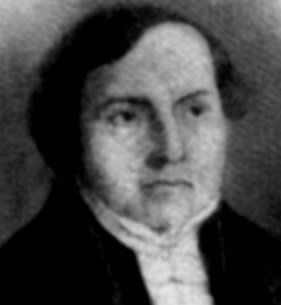
In "Means of Detecting Simon Magus," Alexander Carson addresses the theological implications of heresy and false belief within the church, highlighting God's sovereignty in allowing ungodly elements to infiltrate the body of believers for the purpose of testing and revealing true faith. Carson argues that such individuals, exemplified by Simon the sorcerer, exemplify how heresies can both reveal the depths of one’s depravity and distinguish genuine disciples from those with false faith. He references 2 Peter 2:1-3, which discusses the emergence of false teachers who bring in destructive heresies, to support his point that God permits errors to manifest in order to purify His church. The significance of these insights lies in understanding how God utilizes these occurrences to strengthen true believers and ultimately demonstrate His providential oversight, asserting that genuine faith is founded on a true understanding of Christ, as seen in passages like John 2:23-25.
Key Quotes
“In the awful sovereignty of God ungodly men will from time to time creep into the best governed churches... an opportunity for them to discover the deep depravity of their nature.”
“The faith that is salvation is faith in Christ according to his proper character implying the knowledge of God in Christ which nothing but the teaching of the Holy Spirit can communicate.”
“Every raving fanatic every licentious professor of the gospel will be reckoned as the legitimate children of that faith which justifies the ungodly. But the gospel disowns them.”
“Let us in the fall of Simon bless God who watches over the churches... yet will manifest them by his Providence when they have served the end which he designed by their admission.”
What does the Bible say about false teachers in the church?
The Bible warns that false teachers will arise, secretly bringing in destructive heresies and leading many astray (2 Peter 2:1-3).
2 Peter 2:1-3
How do we know salvation is only through faith in Christ?
Salvation is secured through faith in Christ, which is illuminated by the Holy Spirit's teaching and results in a true understanding of His nature.
John 3:36
Why is it important for Christians to discern true faith?
Discerning true faith is essential for Christians to ensure they are grounded in the gospel and not misled by false teachings.
Matthew 7:15-20, John 15:5
In the awful sovereignty of God ungodly men will, from time to time, creep into the best governed churches; and they serve a purpose in the Divine wisdom. It is an opportunity for them to discover the deep depravity of their nature, and to try the faithfulness of the true disciples, when they are manifested. In judgment occasion of offence is given to the world, and unsound professors are, by heresies and licentious doctrines, speciously introduced by persons under a cover of godliness, drawn aside from the truth. "Woe unto the world," says Christ, "because of offences! for it must needs be that offences come; but woe to that man by whom the offence cometh!"
The Providence of God, however, will usually in course of time discover such persons. Sometimes they will either broach heresies, or fall into the heresies of others. "But there were false prophets also among the people, even as there shall be false teachers among you, who privily shall bring in damnable heresies, even denying the Lord that bought them, and bring upon themselves swift destruction. And many shall follow their pernicious ways; by reason of whom the way of truth shall be evil spoken of. And through covetousness shall they with feigned words make merchandise of you: whose judgment now of a long time lingereth not, and their damnation slumbereth not."—2 Pet. ii. 1-3. Here we see that in Divine Providence the authors of heresies are admitted into the churches to manifest their opposition to the truth; and to discover all who are disaffected to it. Many are led into the pernicious ways. But none are led but those who are in heart unacquainted with the truth. "For there must be also heresies among you, that they which are approved may be made manifest among you." This is the use of heresies in a church of Christ. They separate the gold from the dross. They are a test to ascertain the genuine disciple.
While the unsoundness of the profession of some is manifested by their false doctrine, others are discovered by providential occasions given them to discover themselves by licentious conduct, and falling into gross sin. Others, like Judas, are discovered by providential occasions to excite their covetousness. Simon the sorcerer almost immediately discovered his ignorance of the gospel which he had professed, by making a proposal which implied that he thought that the gift of God might be purchased with money. This proved that he had not been enlightened by the Spirit of God, nor truly made a partaker of his grace. Accordingly, Peter instantly denounced him as a child of the devil. "Thy money perish with thee, because thou hast thought that the gift of God may be purchased with money." Simon was not, properly speaking, a hypocrite. This implies that the person is not sincere in his profession, and was the usual character of the Pharisees, who knew that they were not the religious characters which they affected to be considered. Simon, though still in the gall of bitterness and bond of iniquity, considered himself a disciple, and really believed in Christ, in his own view of his character. That he believed is expressly asserted. "Then Simon himself believed also: and when he was baptized, he continued with Philip, and wondered, beholding the miracles and signs which were done." There is not the least appearance of insincerity in his profession. Where, then, it may be asked, was his faith deficient? Where is the Divine declaration, proclaiming that " he who believeth shall be saved?" If Simon is granted to have sincerely believed, is it not true, that a man may have the faith of Christ to-day, and lose it to-morrow for ever? There is not the smallest difficulty in the matter. Though Simon sincerely believed, according to his own view of Christ, yet his after conduct proved that his view was false. The faith that is salvation is faith in Christ according to his proper character, implying the knowledge of God in Christ, which nothing but the teaching of the Holy Spirit can communicate. Of this Simon was destitute, though, in his false view of Christ's character, he sincerely believed that his pretensions were true. The great body of the world, under a profession of Christianity, believe in this sense. When it is denied that they believe in Christ, there is no need to assert that they are insincere in their profession of faith. In fact, this way of convincing them cannot succeed; for they are conscious of sincerity in believing what they confess about Christ and the way of salvation. The best way to convince them is, not to charge them as hypocrites, but to show them that as long as they remain under the dominion of sin, they must be ignorant of God and his Christ; and that their faith is not the faith of the gospel, to which eternal life is promised. It was on this ground solely that Peter proceeded with Simon the sorcerer.
By the miracles of Christ multitudes believed on Jesus, who had not the faith of the gospel. "Now when he was in Jerusalem at the passover, in the feast day, many believed in his name, when they saw the miracles which he did. But Jesus did not commit himself unto them, because he knew all men, and needed not that any should testify of man : for he knew what was in man."—John ii. 23-25. These persons truly believed that Jesus was the promised Messiah, but the conduct of Jesus showed that he considered that they believed in him under imperfect views of his character. It is by the thing believed, and not by the definitions of faith, that such persons must be detected.
In like manner, the whole multitudes, after witnessing the miracle of the feeding of the people with a few loaves and fishes, would have taken Jesus and made him a king. But these very facts proved their unbelief. His kingdom was not of this world, and his salvation was not a deliverance which he was to effect for his people from the Roman government, but the redemption of the soul.
There are many such apparent contradictions in the Scriptures, and they who are " unlearned" in the things of God wrest them to their own destruction. There is perfect harmony between the assertion that Simon himself believed, and that which declares, " He that believeth shall be saved." On this principle, also, must be explained the temporary faith of those who receive the seed on stony ground, and "believe for a while." They were sincere in their belief, but their turning away from a profession of the truth proves that they never understood it; and, consequently, that they possessed not that faith to which is annexed the promise of salvation.
Here is the sovereignty of God in a strong and striking light. Who would act in their own affairs as God here does in his? He not only suffers the seducer to enter into his camp, to spread disaffection in the ranks, but he, by his Providence, designedly effects this. When a shining professor of the gospel manifests that he never was in the truth, it opens the mouths of the enemies of God, and they take occasion to glory as if all Christians were hypocrites. Well, we cannot help this; and it grieves us that it is so. But God could have ordered it otherwise, yet he has ordered it so. He designedly gives blasphemers an opportunity of opening their mouths ; and the advantage that they thus take against the truth is evidence of the deep depravity of human nature, and of enmity to God himself. All this will not cause the loss of one soul to Jesus. It will manifest the hostility of the world to him, and draw his people nearer to himself. It will diminish their confidence in themselves, and make them sit with Mary at the feet of their Master. All things work together for the good of his people, and the very reproaches brought on them by the fall of false brethren is not an exception. Every raving fanatic, every licentious professor of the gospel, will be reckoned as the legitimate children of that faith which justifies the ungodly. But the gospel disowns them, and the foundation of God standeth sure, having this seal, The Lord knoweth them that are his.
How admirable is the Providence of God in detecting Simon the sorcerer! The very thing that confirmed the faith of the true disciples was the means of manifesting that he was not in the truth. The miracles wrought by the hands of Peter were the occasion that Providence employed to manifest the true character of this man of Belial. Instead of rejoicing in the display of the power of Christ, as an evidence of his being sent of God, and as the means of convincing the world, this ambitious man wished the power of working miracles only as a means of gratifying his carnal purposes. Let us, in the fall of Simon, bless God, who watches over the churches, and who, though he designedly, for wise purposes, gives occasion for the admission of his enemies, yet will manifest them by his Providence, when they have served the end which he designed by their admission. And let him who thiuketh he standeth take heed lest he fall. We stand only by faith. Remember Simon Magus.

Comments
Your comment has been submitted and is awaiting moderation. Once approved, it will appear on this page.
Be the first to comment!