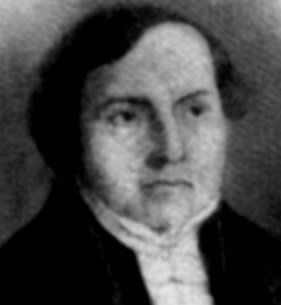
The article "Herod Eaten by Worms" by Alexander Carson examines God's providential judgment as exemplified in the death of King Herod. Carson argues that this event illustrates God's direct involvement in earthly affairs, specifically in administering justice against pride and the usurpation of divine glory. He cites Acts 12:21-23, noting how Herod's failure to give glory to God led to a fatal consequence, reinforcing the notion that even natural occurrences can be seen as divine judgment when tied to human sinfulness. The significance of this doctrine lies in its call for recognition of God's sovereignty in the world and the serious nature of sin against Him, countering contemporary philosophical dismissals of divine intervention.
Key Quotes
“Divine inspiration teaches us that through the means of disease God inflicts his judgments.”
“God is jealous of his own glory and in the government of this world he marks his displeasure at everything that robs him of this.”
“If the fact here recorded is part of the word of God divine judgments are sometimes providentially executed upon notorious insulters of the divine character.”
“Even though Herod was eaten of worms yet it was by being smitten by the angel of the Lord that the worms did their duty.”
What does the Bible say about God's judgment?
The Bible teaches that God's judgment can manifest through providential means, as seen in the case of Herod, who was smitten for not giving God the glory.
Acts 12:20-23
How do we know God's providential judgment is true?
We understand God's providential judgment as true through Scriptural accounts like that of Herod and through the consistent recognition of God's sovereignty in world events.
Acts 12:20-23, Psalm 37:12-15
Why is recognizing God's glory important for Christians?
Recognizing God's glory is vital for Christians because it reflects His rightful place as sovereign ruler and prevents the usurpation of His honor.
Acts 12:23, Isaiah 48:11
The death of Herod was a judgment from the Almighty, yet it was providentially executed. He was " eaten of worms." The medical faculty, had they been called on a coroner's inquest, might have found nothing but natural disease, induced by the previous state of the body. But Divine inspiration teaches us, that through the means of disease God inflicts his judgments. This fact is of importance, as it establishes the truth that God, as the Ruler of the world, executes judgment in his Providence; and affords us a key to his providential conduct. Let it be observed, that this is not a miracle in immediate connection with the gospel, performed through the apostles in confirmation of the truth. It was a judgment executed by God, without any instrumentality; and for the purpose of vindicating his own glory as God. It had no reference to the gospel. It is a thing as much to be expected at this day as it was in the age of miracles. Should any, then, suppose that this judgment was among the miracles of the age of the apostles, and that it is unwarrantable or superstitious to interpret any similar fact as a judgment in our time, or in any other age, they speak in ignorance. Such an interference of Almighty power is as much to be believed in Britain at this day, should a similar thing occur, as it was to be in Judea in the days of the apostles. God smote Herod, not for opposition to the gospel, but for not giving God the glory, and thereby usurping the prerogatives of God.
It is quite easy to give this interpretation of such facts a ridiculous appearance, and to represent it in the class of superstitious conceits. A philosopher might have said on the occasion of the death of Herod, that it was true that death followed the conduct specified. But what reason, he might have asked, is there to believe that Herod's conduct was connected with his death? This is superstition. It infers a general law from a single fact. Herod's death followed his impiety, but it would have happened without his impiety. It was not the consequence of his usurpation of the honours of God, but was the effect of natural disease. In this way exactly philosophers now reason; and when a thing can be accounted for by natural causes, they refuse to recognise the hand of God.
That calamity ought sometimes to be viewed as judgment is here asserted by inspiration. Herod was smitten by the angel of the Lord, because he gave not God the glory. When conduct is notoriously derogatory to the honour of God, and when calamity immediately and remarkably follows it, we have the warrant of inspiration to consider it as judgment. Indeed, if there is not a kind of self evidence in the thing, God's design would be frustrated. He designs to manifest his displeasure at the conduct, yet such displeasure, upon this supposition, cannot be assuredly known. The thing, then, must have its own evidence. And as a matter of fact, whatever may be the hardihood of philosophical infidelity, the bulk of men will ever recognise the hand of God in judgment. Heathens, as well as men under the light of Christianity, recognise this. We should not, then, from the dread of the scorn of infidel philosophy, refuse to recognise the hand of God in the punishment of audacious rebels even in this world. This is necessary occasionally for the purposes of moral government.
The occasion of the judgment on Herod intimates the kind of wickedness most likely to be visited with immediate judgment. It is not the sensual and grossly vicious that are most likely to be the objects of it. Such persons have no defenders; and if any are to be given up to future misery, all persons will point out these to punishment. The sin of Herod was the usurpation of the honour of God. God is jealous of his own glory; and in the government of this world he marks his displeasure at every thing that robs him of this, more than he does at any other sins. Herod, who gave not God the glory, is punished with a painful and loathsome death, while the multitude of profligates are allowed to go to the grave without any mark of divine vengeance. And I may appeal to facts, in daily events, that judgments befall the profane scorner, the blasphemer of God, and the violator of the Lord's day, more than the vilest outcasts of society. Men think sin against God a trifle, and reckon the injury done to their fellows as almost the only crime. On the contrary, God reckons sin against himself the chief of sins; and even our sin against men derives its greatest guilt from its relation to God.
Undoubtedly some may err on the other side, and find judgments where they do not exist. But if the fact here recorded is part of the word of God, divine judgments are sometimes providentially executed upon notorious insulters of the divine character. To explain such facts where they occur, without any reference to divine interposition, is infidelity. God reigns, and though he generally hides himself, even in the manifestation of his power, he occasionally shows himself even to the world.
The death of Herod is proof of a particular Providence. Philosophers talk of Providence, and speak gratefully of a gracious and kind Providence. But many of them mean no more by Providence than the original establishment of the laws of nature, and the Providence of design and arrangement. God, according to them, has nothing to do immediately with the occurrences that take place in the world, more than the maker of a clock has to do with the motion of the machine after it is set a-going. The fact before us refutes this impious doctrine. Even though Herod was eaten of worms, yet it was by being smitten by the angel of the Lord that the worms did their duty. Jehovah is not like the gods of Epicurus. Attention to his* works is no trouble to him. He wearies not in working. He is immediately present with all his works, and, by his power, the things that are made are upheld in existence.

Comments
Your comment has been submitted and is awaiting moderation. Once approved, it will appear on this page.
Be the first to comment!