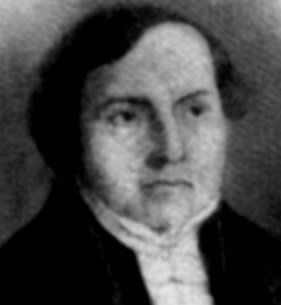
In the article "Paul Preserved by the Recorder of Ephesus," Alexander Carson addresses the theological theme of divine providence as exemplified in the life of the Apostle Paul during a time of great peril. The key points of the argument highlight how God sovereignly works through natural means and human agency to protect His people, illustrated through the actions of a heathen magistrate who intervened to save Paul from a riotous crowd. Carson references Scripture, particularly Acts 26:16-17, where Jesus promises Paul that he will be delivered from both Jews and Gentiles, grounding the providential narrative in biblical precedent. The practical significance of this doctrine emphasizes a Reformed understanding of God's continuous involvement in the lives of believers and encourages gratitude towards the means of deliverance, even when they come from unexpected sources.
Key Quotes
“God in his Providence works by natural means and hides himself by this from the eye of an unbelieving world.”
“His power over the minds of men is as great as over the winds.”
“Christians when this takes place fail not to give God the glory.”
“Be grateful even to the most wicked men on earth when they are the means of preservation to you in the time of your danger or trouble.”
What does the Bible say about Providence?
The Bible teaches that God's Providence is His sovereign governance over creation, guiding all events for His glory and the good of His people.
Romans 8:28-30
How do we know God's Providence is true?
We know God's Providence is true through Scripture and the testimonies of God's faithful actions throughout history.
Ephesians 1:11
Why is God's Providence important for Christians?
God's Providence reminds Christians that God is in control and working all things for their ultimate good.
Romans 8:28
Paul was never in more imminent danger than on the present occasion, and Divine inspiration gives us here a specimen of one of the ways in which Providence works in the preservation of Christians. The eye of the wise man of this world sees nothing here but the puppets; the hand behind the screen is entirely hid from him. With all his wisdom he is but a mere child in the knowledge of the works of God. "Rise, and stand upon thy feet," says Jesus to Paul at his conversion, "for I have appeared unto thee for this purpose, to make thee a minister and a witness, both of those things which thou hast seen, and of those things in the which I will appear unto thee; delivering thee from the people, and from the Gentiles, unto whom now I send thee." And here he does wonderfully deliver him out of the very mouths of ravenous beasts. The whole city was in a tumult, excited by Demetrius and the craftsmen, who thought their craft in danger by the overturning of idolatry. The people in a body rushed into the theatre; and when Paul was about to enter, he was providentially prevented by the disciples, and other men of chief distinction, who were friendly to the apostle. Paul himself yielded to their entreaties, though, on other occasions, nothing could stop him. God, it is true, could have preserved him in the theatre; but he works by means, and not usually by miracles. On this occasion he chose to preserve his servant by providentially keeping him out of the place of danger.
But Paul, though not in the assembly, might be found for vengeance, and his friends were most likely objects of revenge. The people were become frantic with rage, and were ready to execute any work that Satan might point out to them. How admirable is the Providence of God in soothing the infuriated passions of this hellish mob! By the prudence, and coolness, and skill in managing- the passions of the multitude, possessed by one man, Providence restored tranquillity. There is nothing in all this, it is true, but what is perfectly natural, and which takes place on many other occasions. How, stupid Infidel, must Providence act against the nature of which he is the author, in order to prove that it is Providence that works? God, in his Providence, works by natural means, and hides himself, by this, from the eye of an unbelieving world.
But I have many questions to ask thee, Infidel, on this matter. Why was such a prudent man prepared for this occasion? Of the hundreds of men in power, even in the highest seats of power, how few of them possess such knowledge of human nature, as was displayed by this recorder of Ephesus? Not only did he display an uncommon knowledge of human nature, but the utmost address in managing the passions of the mob. He played his instrument so skilfully, that he hushed every passion which disturbed his purpose. Every topic that the utmost skill of a Demosthenes could employ in oratory, was employed in the extemporaneous effusion of the eloquence of the Ephesian magistrate. Had all his life been given to the study of rhetoric, he could not have selected his topics with more skill: had all his life been given to the practice of oratory, he could not have acquitted himself with more ability. Yet, after all, it was a speech that no Christian could imitate. Here, then, is the wisdom of God: the defender of Paul must be a heathen. He must sanction the religion of the people. This fitted him to appease them. Had the recorder become a convert to Paul, he could not have successfully defended his client. Here, then, is wisdom.
But there is another consideration. Tell me, Infidel, why was this idolatrous magistrate so intent upon saving Paul and his companions? With all his skill and address as an orator, he might have declined to use his talents in defence of the apostle. Why did not his liberality take the same turn with that of Gallio? Why did he concern himself about the matter? Why did he not refuse not only to decide in a religious question, but to keep the peace, when the quarrel was about religion? All, all was of Providence. Jesus fulfilled his promise to Paul, and quieted the mob at Ephesus as truly as he did the storm at sea. "Peace, be still; and immediately there was a great calm." His power over the minds of men is as great as over the winds.
In this fact let us find a key to Providence, in the manner of delivering his people out of the hands of their enemies in every age. How many times are Christians defended and delivered by the hands of men as destitute of the knowledge of God as the very men who pursue them! Christians, when this takes place, fail not to give God the glory. Be not like the beast that knows not the Providence that preserves it from death. Be grateful even to the most wicked men on earth, when they are the means of preservation to you in the time of your danger or trouble. This is your duty, and never forget them in your prayers to God. But in the means of your deliverance, never forget the ultimate author of your deliverance.

Comments
Your comment has been submitted and is awaiting moderation. Once approved, it will appear on this page.
Be the first to comment!