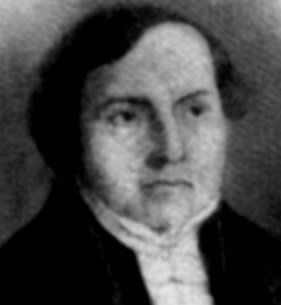
The article by Alexander Carson addresses the doctrine of Divine Providence, particularly as it relates to the role of civil magistrates in the protection of the Church and the spread of the gospel. Carson argues that despite the adversarial nature of society toward Christianity, God providentially uses various leaders, such as Gallio, to safeguard believers. The author emphasizes that Gallio's refusal to engage in religious disputes aligns with the biblical principle that magistrates should focus on societal order rather than doctrinal matters, pointing to Acts 18:12-16 as a scriptural basis for this view. The practical significance of this article lies in its assertion that believers should recognize God's hand in civil affairs, understanding that ultimate sovereignty belongs to God, regardless of the apparent wisdom of earthly rulers.
Key Quotes
“Gallio justly considered that it did not belong to the office of the magistrate to judge between different systems of religion.”
“The governor then was not called to hear the defence as he was not called to examine the accusation.”
“It is to Divine Providence that we owe this invaluable privilege and whatever be the means which he employs to bestow it on us we ought to give him the praise.”
“Shall that praise be given to infidel statesmen which is due to that Providence that employs the policy of rulers to effect his purposes?”
What does the Bible say about religious freedom?
The Bible emphasizes the importance of liberty of conscience for Christians, as seen in Acts 18:12-16.
Moreover, the passage showcases that while Gallio, an enlightened magistrate, refused to examine the case based on religious grounds, it reveals a deeper truth about liberty of conscience, which is crucial for a thriving Christian life. The early Christians experienced various forms of persecution, yet the overarching theme in Scripture is God's sovereignty over human affairs, ensuring that His people are ultimately safe under His providential care, regardless of the rulers imposed over them.
How do we know God's providence is real?
God's providence is evident in the circumstances surrounding Paul's protection by Gallio.
Moreover, the historical context shows us that God's providence often works in unexpected ways—using individuals and situations not aligned with faith to achieve His divine will. This reinforces our belief in God’s sovereign control over every aspect of life, encouraging believers to trust in His plan, even in times of persecution or disadvantage. The recognition of God's providential workings throughout history reassures us of His faithfulness and the fulfillment of His promises.
Why is acknowledging God's sovereignty important for Christians?
Acknowledging God's sovereignty is vital for understanding His providential care and our place in His plan.
Furthermore, this acknowledgment deeply impacts how Christians live out their faith. Knowing that God is in sovereign control encourages believers to rely on Him in all decisions and difficulties. It fosters a spirit of trust, promoting peace amid trials knowing that our lives are not governed by chance or the whims of man but by a loving and omnipotent Creator who knows the end from the beginning. This conviction enables Christians to engage the world with confidence, witnessing to the hope contained in the gospel.
As the world, in general, are enemies to the gospel, it might be supposed that protection to the Christian might be impossible under despotic governments. Shall the lamb be safe under the paws of the lion? Yes, as safe as by the side of the dam in an enclosed fold. Divine Providence can devise means of protection when there is no protection but in the capricious resolves of an absolute tyrant. Paul was brought before the judgment seat, but the philosophic and enlightened views of Gallio refused to hear their complaint. Yet Gallio, as a philosopher and man of learning, would have been as great an enemy to the gospel, had he taken the trouble to inquire into its nature and pretensions, as were the Jews themselves. Indeed, the men of science and pretended virtue are usually more virulent enemies of the gospel than are the vilest of the vulgar. They have something to lose, and the gospel strips them of all their glory. But Gallio seems to have been a man who did not trouble himself to inquire into the nature of the dispute between the Jews and the Christians, and this was the protection of Paul. Gallio justly considered that it did not belong to the office of the magistrate to judge between different systems of religion. He had nothing to do but with crime, considered with respect to society. In this he was much more enlightened than many Christians. Gallio, then, was the very man that fitted the situation, according to the purpose of Divine Providence at this time. The character and views of this magistrate were among the wise appointments of an overruling Providence to deliver the herald of salvation on this occasion. From the character and views of Gallio, Paul had deliverance from his enemies. Gallio fitted God's purpose on this occasion as exactly as if he had been an angel of heaven. "And when Gallio was the deputy of Achaia, the Jews made insurrection with one accord against Paul, and brought him to the judgment-seat, saying, This fellow persuadeth men to worship God contrary to the law. And when Paul was now about to open his mouth, Gallio said unto the Jews, If it were a matter of wrong or wicked lewdness, O ye Jews, reason would that I should bear with you: but if it be a question of words and names, and of your law, look ye to it; for I will be no judge of such matters. And he drave them from the judgment-seat."—Acts xviii. 12-16. There is one remarkable providential circumstance in this fact, to which I would call particular attention. Paul was ready to speak, and to defend himself. Who is it that at first is not inclined to regret that he was not permitted? He would have doubtless, in his defence, declared the gospel, and testified before the governor and many others with respect to Christ. This privilege, on other occasions, he availed himself of to great purpose, and commended the truth to the consciences of many who would not otherwise have had an opportunity of hearing him. Yet, on this occasion, Gallio prevented this. He very justly considered it as unnecessary, because the very accusation alleged by his enemies contained no crime. The governor, then, was not called to hear the defence, as he was not called to examine the accusation. No doubt, had God had any good purpose to serve by Paul's speaking, an opportunity would have been given him to speak. But his silence on this occasion served the purpose of Providence more than his defence would have done. Gallio needed no arguments to acquit the prisoner; and if Paul had proceeded to exhibit the distinguishing features of the gospel, the cool, the impartial, the enlightened judge, might have been turned into the furious persecutor. Nothing will make a philosopher grind his teeth but the gospel. His icy soul will boil like a furnace when he speaks of the doctrine that humbles the pride of man. The man who will apologize for the extravagance of the most frantic fanatics will denounce the friends of Paul's gospel as the enemies of mankind. This, in fact, is exemplified in the two great Roman historians, Suetonius and Tacitus. These writers can find no words adequately to express their contempt and hatred of the followers of Christ. And in modern times, is there not more virulence used by philosophers in speaking about the friends of a pure gospel, than there is when mention is made of Joanna Southcote?
Yet it is wonderful to find this enlightened governor, who so plainly pointed out the unreasonableness of calling men to account to the State for their religious opinions, unable to distinguish the true province of the magistrate in matters to which it really extends. "Then all the Greeks took Sosthenes, the chief ruler of the synagogue, and beat him before the judgment-seat. And Gallic cared for none of these things." Here, Gallic, you are wrong. Though it is not your duty to judge in matters of other men's religion, yet you should judge in matters of assault. Whether Sosthenes was a friend or an enemy of Paul, he should have been protected from violence, and his assaulters should have been severely punished. A magistrate has no right to judge in disputes about religion, but he has a right to judge in acts of violence committed about religion. Yet, with all the superior light of our times, instances might be found, in which civil authorities refuse to take cognizance of a matter of violence, because it has been committed about religion. Even in Parliament we will bear it more than insinuated that the religion of the great mass of the people should not be spoken against. Even those who are eternally canting about the freedom of religion may often be detected in speaking thus. Is there no part of the British dominions in which violence would be unpunished, if committed against those who expose the dogmas of a powerful party?
Liberty of conscience is a matter of the utmost importance to the Christian. Yet it appears to me, that, even in this country, we enjoy it, not so much from a real discernment, on the part of statesmen, of the true boundary of civil government, as from a kind of political necessity. If any one body were so dominant that it could crush all others, I would not wish to owe my liberty to its forbearance, from an enlightened view of duly. Persecution is natural to man, and the children of this world will never bear the gospel if they could crush it. It is to Divine Providence that we owe this invaluable privilege; and whatever be the means which he employs to bestow it on us, we ought to give him the praise. We ought to be thankful for the blessings of a free government, but it is idolatry and ingratitude to God to ascribe to the wisdom and benevolence of rulers that which is due to the Ruler of the world. Shall that praise be given to infidel statesmen, which is due to that Providence that employs the policy of rulers to effect his purposes? We ought to obey the very worst government that God puts over us. But we ought not to give to the very best that praise that is due only to God.

Comments
Your comment has been submitted and is awaiting moderation. Once approved, it will appear on this page.
Be the first to comment!