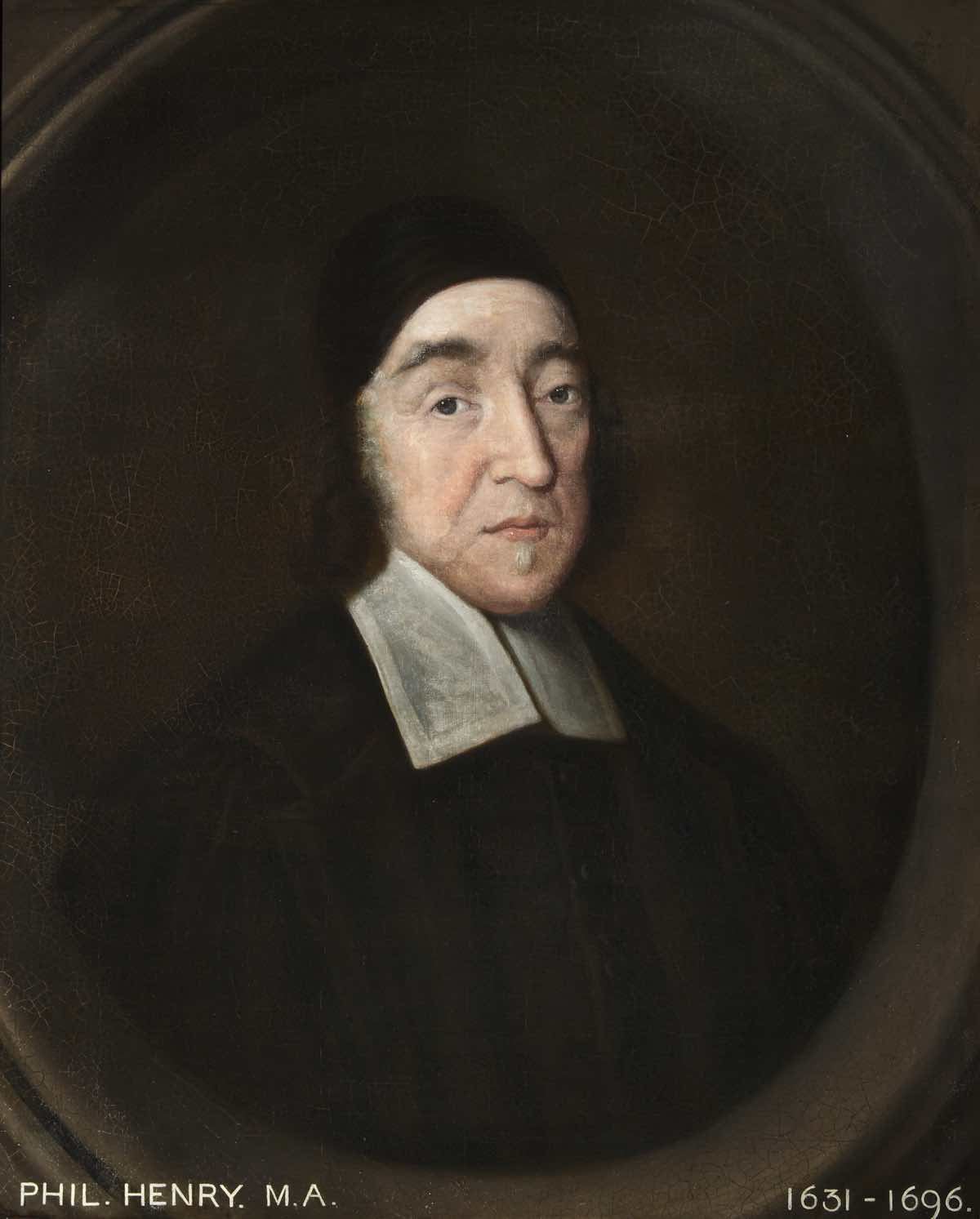
Effectual Calling is the central theological topic addressed by Philip Henry, which describes the transformative process by which individuals are summoned by God from spiritual death to life through Jesus Christ. The article highlights several key arguments, including the transition from darkness to light (1 Peter 2:9), the movement from bondage under sin to holiness (1 Thessalonians 4:7), and the call from the world to fellowship with Christ (Hebrews 3:1). Henry emphasizes the role of the Holy Spirit in effectual calling, noting how He convicts individuals of their sin, reveals the sufficiency of Christ for salvation, and enables a willing response to God’s invitation (John 16:8-11). The practical significance of this doctrine lies in the assurance it provides of one’s transformation and status as a child of God, showcasing the grace of God in the act of calling, which preserves the believer's obedience and ultimate glorification.
Key Quotes
“Those who are effectually called are called from death unto life.”
“God hath not called us unto uncleanness but unto holiness.”
“The Spirit proceeds to work upon the will sweetly inclining it... so to cleave to Christ and his righteousness.”
“All along free grace is to have the glory as in predestinating so in calling.”
What does the Bible say about effectual calling?
Effectual calling is described in the Bible as a divine calling from death to life, whereby individuals are brought from darkness into light through the Holy Spirit's work.
Moreover, effectual calling involves a turning away from the power of Satan to God, enabling sinners to receive forgiveness and inheritance through faith in Christ (Acts 26:18). This divine intervention is essential because the natural man cannot understand spiritual truths (1 Corinthians 2:14); thus, the Holy Spirit works to both illuminate the understanding and incline the will toward Christ, ensuring that belief and repentance occur as sovereign acts of grace rather than mere human effort.
1 Peter 2:9, Acts 26:18, 1 Corinthians 2:14
How do we know effectual calling is true?
The truth of effectual calling is evidenced by the transformative experiences of believers who exhibit love for the brethren and a new life in Christ.
Additionally, the work of the Holy Spirit plays a pivotal role in affirming this doctrine; the Spirit convicts individuals of their sins and points them to Christ as the sole remedy. This inner sense of need coupled with a newfound desire for holiness reflects the work of God’s calling (Romans 8:30). The combination of faith, love, and obedience in believers confirms the reality and truth of effectual calling.
1 John 3:14, Romans 8:30
Why is effectual calling important for Christians?
Effectual calling is crucial because it signifies how God sovereignly brings His chosen people to faith, assuring them of their salvation and future glorification.
Furthermore, effectual calling guarantees that those who are called will ultimately be justified and glorified (Romans 8:30). It provides a foundation of hope and assurance that believers are not merely making a choice but are instead responding to a grace that has effectively brought them to new life. The work of the Spirit in effectively calling individuals results in genuine faith and obedience, instilling an enduring sense of purpose and spiritual vitality within the Christian life.
Philippians 2:13, Romans 8:30
Those who are effectually called, are called from death unto life: "We know that we have passed from death unto life, because we love the brethren."
From darkness to light: "Ye are a chosen generation, a royal priesthood, an holy nation, a peculiar people; that ye should show forth the praises of him who hath called you out of darkness into his marvellous light." "For ye were sometimes darkness, but now are ye light in the Lord: walk as children of light."
From the power of Satan unto God: "To open their eyes, and to turn them from darkness to light, and from the power of Satan unto God, that they may receive forgiveness of sins, and inheritance among them which are sanctified by faith that is in me."
Prom uncleanness to holiness: "God hath not called us unto uncleanness, but unto holiness."
From the world to Jesus Christ. "I have manifested thy name unto the men which thou gavest me out of the world; thine they were, and thou gavest them me; and they have kept thy word." "God is faithful, by whom ye were called unto the fellowship of his Son Jesus Christ our Lord."
From hell to heaven: "Wherefore, holy brethren, partakers of the heavenly calling, consider the Apostle and High Priest of our profession, Christ Jesus."
And, in this work, the Spirit reveals to man, in a way of conviction, his own sin; and his misery by reason of it: "He will reprove the world of sin, and of righteousness, and of judgment." Not only particular acts of sin, but a state of sin, and damnation. And he pursues it home, so as the man is not able to shake the arrow out of his sides—which produces fear, bondage, amazement. The Spirit discovers the remedy provided for poor sinners in such a condition, in Jesus Christ, which is sufficient: "He is able to save them to the uttermost that come unto God by him, seeing he ever liveth to make intercession for them." And it is to be had freely: "Ho, every one that thirsteth, come ye to the waters, and he that hath no money; come ye, buy, and eat; yea, come, buy wine and milk without money and without price. Wherefore do ye spend money for that which is not bread? and your labor for that which satisfieth not? Hearken diligently unto me, and eat ye that which is good, and let your soul delight itself in fatness. Incline your ear, and come unto me: hear, and your soul shall live; and I will make an everlasting covenant with you, even the sure mercies of David."
Of these things there were before only some dark, confused notions; altogether ineffectual; working nothing upon the will, either to move or to stir it. "Now we have received, not the spirit of the world, but the Spirit which is of God; that we might know the things that are freely given to us of God.—But the natural man receiveth not the things of the Spirit of God: for they are foolishness unto him: neither can he know them, because they are spiritually discerned." But now the Spirit proceeds to work upon the will: sweetly inclining it, and enabling it; as to refuse all other ways, so to choose this way: as to let go the man's own righteousness, so to cleave to Christ, and his righteousness: "For it is God which worketh in you both to will and to do of his good pleasure." And this working of the Spirit doth not at all prejudice the freedom of the will; no more than the saving illumination of the understanding destroys its proper acts. No. It doth not destroy, but perfect it. Hence that expression—" I drew them with cords of a man, with bands of love." He finds us unwilling. He makes us willing. So that all along free grace is to have the glory: as in predestinating, so in calling.
The benefits of effectual calling are justification, and glorification. The evidence of it, our obedience to it; "We are the circumcision who worship God in the Spirit, and rejoice in Christ Jesus, and have no confidence in the flesh."

Comments
Your comment has been submitted and is awaiting moderation. Once approved, it will appear on this page.
Be the first to comment!