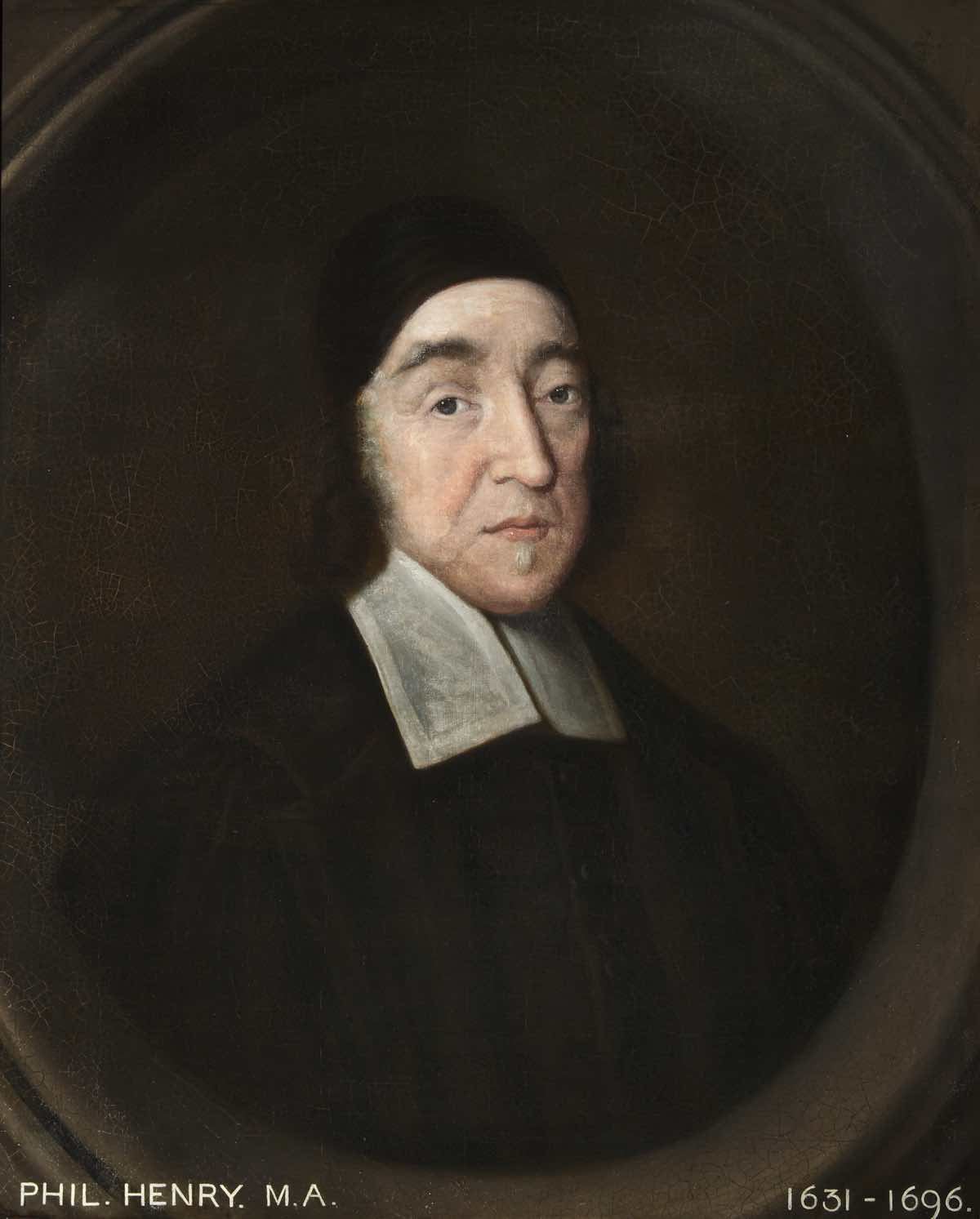
Philip Henry's article on humility explores the theological significance of humility as a Christian virtue, emphasizing its role in reflecting Christ's character. Key arguments highlight that true humility manifests in language and conduct, urging believers to prioritize serving others over seeking status or recognition. Henry supports his points with Scripture, notably referencing Romans 14, which encourages believers to bear one another's burdens and avoid judgment, as well as examples from the life of Abraham in Genesis 13, demonstrating a willingness to yield for the sake of peace. The practical significance lies in humility's capacity to foster community, improve relationships, and enhance one’s witness for Christ, aligning with Reformed views on sanctification and the importance of living out one's faith authentically.
Key Quotes
“Out of the abundance of the heart the mouth speaketh. Disdainful scornful language is not the language of humility.”
“Humility teaches us neither to judge nor despise one another in doubtful matters.”
“The ornament of a meek and quiet spirit is in the sight of God of great 'price.'”
“The more humble the more like Christ; and the more like Christ, the more beloved of God.”
What does the Bible say about humility?
The Bible teaches that humility is essential for Christians, reflecting Christ's character and leading to true rest and peace.
Furthermore, humility is critical for unity within the church. Romans 14 provides guidance on not judging or despising one another in doubtful matters and teaches that a humble heart finds joy in supporting others. The Bible asserts that God gives grace to the humble (James 4:6) and that true humility leads to a deeper relationship with Him, which is why Christians are called to cultivate this trait diligently.
In essence, through biblical humility, Christians reflect the likeness of Christ, promote unity, and live in a manner that honors God, making humility not just a personal disposition but a vital aspect of the Christian faith.
1 Peter 3:4, Philippians 2:3, Romans 14, James 4:6
How do we know the doctrine of humility is true?
The doctrine of humility is supported by biblical teachings and the life of Christ, who exemplified perfect humility.
Moreover, the Bible repeatedly reinforces the call for believers to emulate Christ's example. Paul writes in Philippians 2:5, 'Have this mind among yourselves, which is yours in Christ Jesus,' urging believers to embrace humility in their relationships with one another. The consistent scriptural testimony demonstrates that genuine humility is rooted in love and care for others rather than a mere self-effacing attitude.
Thus, the truth of the doctrine of humility is discernible through the example set by Christ and the continuous exhortations found throughout Scripture, affirming that humility is not only a doctrinal truth but a practice meant to shape the lives of all Christians.
John 13:1-17, Philippians 2:5-8
Why is humility important for Christians?
Humility is important for Christians because it promotes unity, reflects Christ's character, and leads to spiritual growth.
Furthermore, humility is essential for spiritual growth, as it opens the heart to God's grace and correction. James 4:10 states, 'Humble yourselves before the Lord, and he will exalt you.' This promise implies that in recognizing our weaknesses and limitations, we position ourselves to receive God's strength and guidance. The more we view ourselves accurately in light of God's holiness, the more we will desire to reflect Christ’s humility in our lives.
Ultimately, humility allows Christians to model the character of Christ to the world, showcasing a life that is not self-centered but centered on serving others. In a society that often values pride and self-assertion, the humble heart stands out as a testimony to the transformative power of the Gospel.
Romans 14, Galatians 6:2, James 4:10
Christian humility will show itself in the looks, and in the language: " Out of the abundance of the heart the mouth speaketh." Disdainful, scornful language, is not the language of humility.
It teaches us not to strive for priority, or precedency of place. He that is ready to wash his brother's feet will not strive to go before him, or to sit above him. Those are but small matters, yet they evidence pride.
It teaches us to yield in opinion to the judgment of our brother; yet not so as to let go any truth of Christ out of humility. No; we must " buy the truth," and not " sell it." Paul would not give place to "false brethren." No; "not for an hour," when the truth of Christ was concerned. Humility teaches us neither to judge, nor despise one another, in doubtful matters; see Rom. xiv.
It teaches us to "bear one another's burdens." When thy brother is sinking under a temptation of doubts and fears, help him. We should please our brother "for his good," rather than ourselves. We should rather deny ourselves the use of lawful liberty than offend a "weak brother:" "Though," said Paul, "I be free from all men, yet have I made myself servant unto all, that I might gain the more."
It teaches us to be thankful for the least kindnesses, and patient under the greatest unkindnesses. It is pride that makes people so ungrateful. They look upon kindnesses as debts, and so are not thankful; and upon unkindnesses as wrongs, and then are impatient.
In case of quarrels, a humble man will rather recede from his right than "strive." You see an instance, Gen. xiii., in Abraham and Lot. Abraham, the superior, was willing to yield.
Humility teaches us as to our company: not to disdain any that are good, though they are poor and below us. David, a king, was a companion of all that feared God, Psa. cxix. 63. It is against this law of humility that in some families the servants are not to come into the room at family worship; whereas they are upon equal terms with God.
How amiable and excellent is this duty! It is marvellously well-pleasing to God. He loves to see people in this frame. "The ornament of a meek and quiet spirit—is in the sight of God of great 'price" 1 Pet. iii. 4. The reason is, because it is in conformity to the image of his "dear Son." The more like we are to Christ, the more lovely we are in the eyes of God.
It is marvellously winning to others. It brings a good report on the religion we profess. Though every one hath remainders of pride in himself, yet there is no one but hates it in others. By this frame Paul "gained" men: "Unto the Jews I became as a Jew, that I might gain the Jews; to them that are under the law, as under the law, that I might gain them that are under the law." This meek, condescending frame, convinces people that we are actuated by other principles than the world is. The world's principles are—stand upon your terms. The world is for a high and princely spirit. A gracious soul can be of a princely spirit in the cause of God; but in his own cause—lowly, humble, and condescending.
It works rest, comfort, peace, and quietness to ourselves. So that for our own sakes we should be humble. There is no such way to rest as the humble way. Be "meek and lowly," that ye may " find rest."
Prize a humble spirit, then, as amiable in itself. Let it be so to you. It is a jewel; learn to value it. Fall in love with it.
Pray for it. Beg of God, with all earnestness, to lay low the pride of your spirit. He alone can do it.
Practise it. Think meanly of yourselves, and highly of your brother. Be clothed all over with it; inside and outside. The more humble, the more like Christ. And the more like Christ, the more beloved of God.

Comments
Your comment has been submitted and is awaiting moderation. Once approved, it will appear on this page.
Be the first to comment!