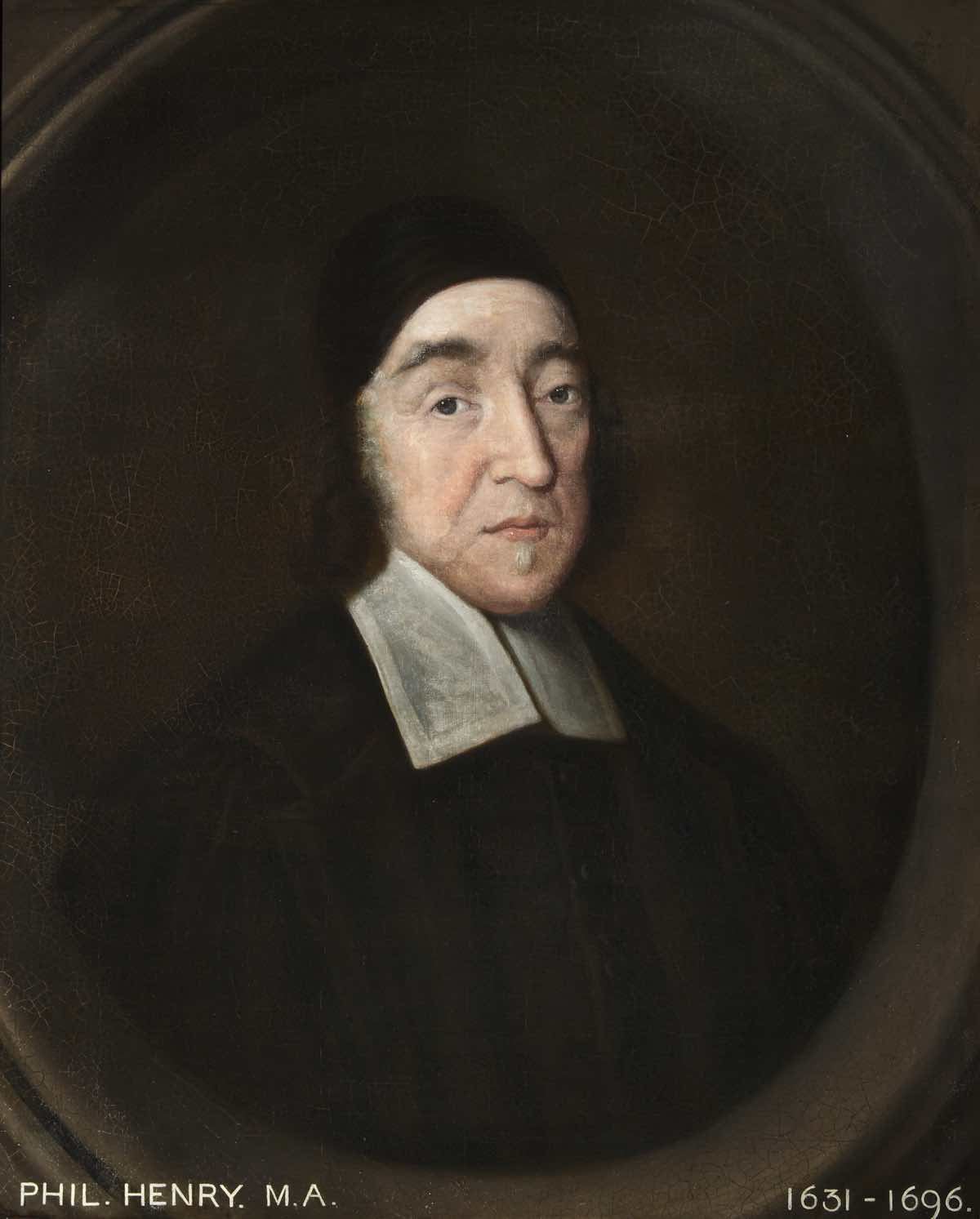
The article "Spiritual Washing" by Philip Henry addresses the doctrine of sanctification and the multifaceted work of spiritual washing that believers experience in Christ. Henry argues that there are three essential aspects of this washing: justification, which cleanses the guilt of sin through Christ’s blood; sanctification, which transforms the believer by the Holy Spirit into a new creature; and the ongoing process of moral cleansing that shapes the believer’s life. He supports his points with numerous Scripture references, notably Psalm 51, John 3:5, and passages from Ezekiel, illustrating the transformative power and necessity of spiritual washing. The practical significance of this doctrine lies in its call for self-examination among believers regarding their relationship with sin, emphasizing that true regeneration manifests in a deep aversion to sin and a desire for continued cleansing in Christ.
Key Quotes
“He that is washed not only loathe their sin but loathe themselves because of it.”
“The Spirit is a washing and a cleansing Spirit. If he wash thee not thou art none of his.”
“If you can say you love the word of God because it is pure and because it is purifying then it is a good sign you have a part in Christ.”
“They that are washed desire to be washed more.”
What does the Bible say about spiritual washing?
The Bible describes spiritual washing as the cleansing of sin through Christ's blood and the work of the Holy Spirit in sanctification.
Psalm 51, Titus 3:5, James 4:8
How do we know that sanctification is true?
Sanctification is affirmed through the transformative work of the Holy Spirit in believers' lives, evidenced by a desire for holiness.
2 Corinthians 5:17, Philippians 2:13
Why is justification important for Christians?
Justification is vital for Christians as it declares them righteous before God, providing assurance of salvation.
Romans 3:22-24
Those that have a part in Christ have three kinds of washing.
There is the washing away of the guilt of sin by Christ's blood in justification. Every sin leaves behind it a blot, a spot, and stain. And that is taken away by pardoning mercy. "Wash me," saith David.—" Make me to hear joy and gladness." And the Lord heard his prayer; see the 51st Psalm.
There is the washing away of the filth and power of sin by sanctification. This is the work of God's Spirit, (see the Assembly's Catechism,) whereby the man is made a new creature. The bent of the soul is changed. He begins to love that which he hated: to delight in that which before he cared not for. The image of God is on the man. "I will wash them." "And it shall come to pass, that he that is left in Zion, and he that remaineth in Jerusalem, shall be called holy, even every one that is written among the living in Jerusalem: when the Lord shall have washed away the filth of the daughters of Zion, and shall have purged the blood of Jerusalem from the midst thereof by the spirit of judgment, and the spirit of burning." This is a promise of holiness. And this blessed work is wrought on all that have a part in Christ. "Verily, verily, I say unto thee, except a man be born of water and of the Spirit, he cannot enter into the kingdom of God." Water and the Spirit; that is, to be born of the Spirit working like water. The Spirit is a washing, and a cleansing Spirit. If he wash thee not, thou art none of his.
There is the washing of the life from the practice of sin: "Wash you, make you clean." This we are often called on to do: "Wherewithal shall a young man cleanse his way?" The way of young people is apt to be defiled; and therefore they must "take heed," as cleanly people that look where they tread. We are to "take heed," and do what we can. But after all, it is the blessed Jesus that doth it. He washes our lives as well as our hearts.
How is it with us? Are we washed, or are we yet in our filthiness? Inquire. Search.
You may know by your loathings. What is it that is most loathsome to you? If you are washed, sin is it. It is loathsome to you in others; especially so in yourself. And the nearer, the more loathsome. Heart sins are most loathed: "Wash" my "heart from wickedness." Those who are washed, not only loathe their sin, but loathe themselves because of it: "Woe is me! for I am undone; because I am a man of unclean lips, and I dwell in the midst of a people of unclean lips: for mine eyes have seen the King, the Lord of hosts." "They shall loathe themselves for the evils which they have committed in all their abominations." "I abhor myself." "So foolish was I and ignorant: I was as a beast before thee." "O my God, I am ashamed and blush to lift up my face to thee, my God." Why? What had he done? Nothing. Only his neighbours had married strange wives; and that made him blush. Blushing evidences washing.
You may know by your lovings. Which way doth your greatest love go? On, saith he that is washed—I love the word of God, as it is a discovering word, showing men their filthiness. It is "very pure, therefore thy servant loves it." If you can say you love the word of God because it is pure, and because it is purifying, then it is a good sign you have a part in Christ. He that is washed has a dear love to Christ the "Word," the Author of our cleansing: "Whom have I in heaven but thee?" And he hath a dear love to them that are washed; because such have the image of God. He loves the saints, because they are "pure."
You may know by your longings. What do you desire and pant after? They that are washed desire to be washed more. If Christ should come and ask thee what thou dost most desire—wouldst thou say, Lord, that I may be more pure, more and more cleansed? That is a good evidence. Paul cried out, "O wretched man that I am, who shall deliver me from the body of this death?"

Comments
Your comment has been submitted and is awaiting moderation. Once approved, it will appear on this page.
Be the first to comment!