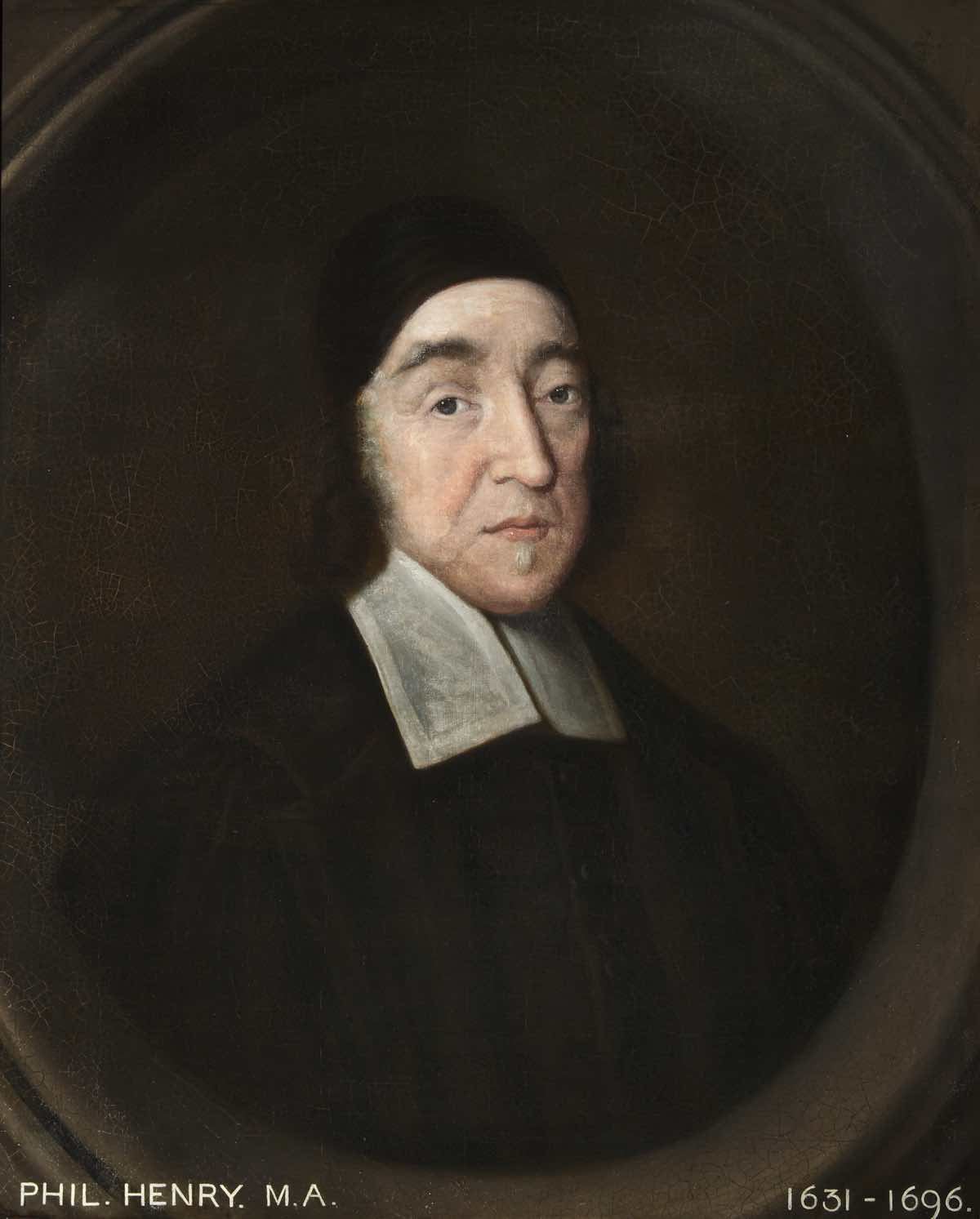
The main theological topic addressed in Philip Henry's "Christian Diligence" is the necessity of diligent self-examination and reliance on Scripture to ascertain the authenticity of one's effectual calling and election. Henry argues that many believers use inadequate or excessive criteria to assess their relationship with God, leading to either false assurance or undue despondency. He cites various Scriptures, including 2 Corinthians 4:18 and Luke 13:23, to illustrate the balance necessary in evaluating one's spiritual state through a proper understanding of effects such as repentance, faith, and a transformation in priorities toward unseen realities. The practical significance of this doctrine lies in its encouragement for believers to take their spiritual condition seriously, ensuring they pursue a genuine relationship with Christ, which ultimately glorifies God and fosters a robust faith community.
Key Quotes
“They that are effectually called have such a sight and sense of sin as produces sorrow of soul for it, hatred of it, and departure from it.”
“The soul falls out with sin. They that are effectually called have such a sight and sense of Christ and his excellency and their own need of him as makes them truly and heartily willing to let all go for him.”
“We must be putting questions to our own souls. What is sin to me? What is Christ to me? What are the things of the other world to me?”
“Oh the folly of this mad world! Careless about this great business, leaving it all to sixes and sevens and yet taken up with care to make other things sure which after all they cannot do.”
What does the Bible say about effectual calling?
The Bible teaches that effectual calling produces a genuine sight and sense of sin, a recognition of Christ's excellency, and a desire for unseen heavenly things.
Luke 13:23, 2 Corinthians 4:18
How do we know our election is true?
We can know our election is true by recognizing the powerful effect of the gospel in our lives and by examining our faith and repentance.
2 Peter 1:10
Why is diligence in self-examination important for Christians?
Diligence in self-examination helps Christians confirm their faith and calling, ensuring they are aligning their lives with God's truth.
2 Corinthians 13:5, Hebrews 10:24-25
What are the benefits of making our calling and election sure?
Making our calling and election sure brings peace, praise to God, and encourages holiness in our lives.
John 14:1-2, 1 Thessalonians 5:11
There must be diligence in four things.
1. To acquaint ourselves with the Scripture evidences of effectual calling. Those are the touchstone by which we are to try ourselves. Some take marks and evidences that are too low, and some that are too high: so miss it on either hand. Therefore, "to the law and to the testimony."
Those that go by a rule that is too low are deceived. Such are those who think all is well with them because they are called with the common call. Nay, they have been baptized. They have been admitted to the Lord's supper. They have had some qualms of repentance. They have some kind of faith, and love, and knowledge. They perform holy duties. They are companions of God's people. They are sufferers with them. All this will not do; see Luke xiii. 23, etc. Many a man comes within a step of heaven, and yet never comes thither. Judas was a disciple: a preacher: and yet—a "castaway." Therefore do not try by these marks.
Then, there are marks that are too high. These leave men under mistakes which are disquieting to their peace. For example: that none are elected and called, but such as can make out the time and circumstances of their conversion. But this does not hold. Many can say as the blind man, "One thing I know, that, whereas I was blind, now I see." Others have examined their condition by marks that they find in books, and cannot see that they come up to them. Whereas grace in books is one thing; and grace in the heart is another thing. Ministers set high marks to prevent presumption. Others doubt they are not called because they are not so deeply humbled as they think they should be. They have not had those legal terrors that many have. Whereas God has various dealings in conversion. There was a great difference between the knocking down of Paul and the opening of Lydia's heart.
It is the Scripture marks that we are to acquaint ourselves with. They are not many, but few. Not dark, but clear; not uncertain, but indubitable. I will give you three.
They that are effectually called have such a sight and sense of sin as produces sorrow of soul for it; hatred of it; and departure from it. Whenever God calls a man, he calls him from his sins. The soul falls out with sin.
They that are effectually called have such a sight and sense of Christ, and his excellency, and their own need of him, as makes them truly and heartily willing to let all go for him: to accept of him upon his own terms; and to yield themselves to be ruled by him in all things. They are called to Christ. They come to Christ.
They that are effectually called have such a sight and sense of things that are "not seen," as, in some measure, takes the heart off things that "are seen," 2 Cor. iv. 18. The aims and ends are altered. Before, their language was, Let us have present things, and we have enough. But now they are of another mind. Unseen things are their hope and aim. They become more afraid of an unseen hell, and more desirous of an unseen heaven; than of any misery, or any happiness, in this world.
2. To try ourselves by such Scripture evidences. What is a man better for having a touchstone before him, if he will not bring his gold or silver to it? God's word is a rule which will discern that which is crooked. God's word is a light, and light is discovering. It will discover what faith is right, what repentance is right. Try your faith and repentance by it. "Examine yourselves, whether ye be in the faith: prove your own selves." There is an allusion to the examination of candidates. We must be putting questions to our own souls. What is sin to me? What is Christ to me? What are the things of the other world to me? Have I left every sin? Am I sound at heart? Have I the "root of the matter?" "When this is to be done we must make a business of it. We must sequester ourselves from other employments. "I thought," said the psalmist, "on my ways." There is an allusion to those that work embroidery, work which is done on both sides. There must be great care: turning it first on this side, then on that side. A sudden glance will not do. There is need of this care. For all is not gold that glistens.
3. To hearken to what sentence passes on the trial. Many are trying all their days, and yet never are sure. It is because they do not attend to the issue. Like many suits in Westminster Hall, long pending, so it is with many in reference to their spiritual state. And the reason is, they do not give diligence to put the matter out of doubt. The Scripture says, he that believes shall be saved. The question is, Do we believe? The Scripture saith, We may know "our election of God," if the gospel be come to us "in power." is the gospel come to me in power? If it be, I must needs grant that I am elected. Do not deny the conclusion if you grant the premises.
4. When the sentence is passed concerning our condition, we should give diligence to proceed accordingly. If for us, we should be thank full; give God the glory; stir up ourselves to "abound in the work of the Lord." "Grow ii: grace." The more grace, the more evident is our election of God. If against us, what then? Be not afraid to hear of it. Do not say there is no hope; but set about making your condition better. Have I not repented? Then repent now. Have I not closed with Christ V I close with him now. Many people doubt of their condition, who never do anything towards the bettering of it. Though I do not come to you and ask each of you in particular—Is your " calling and election" made " sure?" yet I would have each of you to ask yourself seriously this question, and drive the business to an issue. Take Christ as he is offered.
Many things should move us to this "diligence:" "Wherefore the rather, brethren, give diligence to make your calling and election sure." Do it "the rather," because time and opportunity is very uncertain; because you can make nothing else sure. Oh the folly of this mad world!' Careless about this great business, leaving it all to sixes and sevens, and yet taken up with care to make other things sure; which, after all, they cannot do. And, because so much depends upon it. It is a matter of great consequence. I know a man's election, calling, and salvation may be sure in itself, though he be never assured of it. Many a one goes to heaven that lives and dies in uncertainties. But I know their condition is better that have made it sure to themselves. There are four great advantages that will be gotten by it.
1. It is much for the praise and glory of God. The more sure of it, certainly the more thankful for it. Will any man give thanks for the bestowing of that benefit which he is not assured he hath? Instead of complainings and fears, there would be praises and thanksgivings. You little think what a loser God is in his glory by our doubtings.
2. It would be much more for our peace and comfort. He that knows his election, how can he choose but rejoice " with joy unspeakable?" It is a heaven upon earth. The more clear sight a man has of his title to heaven, the more content he is in every condition. Having made that sure, all other things are nothing, Heb. x. 34. Christ sends his disciples to heaven for comfort, John xiv. 1, 2. How can we go to heaven for comfort, if we do not know our interest in it?
3. It would be much for our proficiency and progress in holiness. It is a special bridle to keep from sin. It is a special spur to put on to duty. Moses had "respect unto the recompence of the reward," and that carried him through temptations. None walk more closely with God than those who have the clearest evidences for heaven: "We are confident, I say, and willing rather to be absent from the body, and to be present with the Lord. Wherefore we labor, that, whether present or absent, we may be accepted of him." For this cause did the apostle labor to be accepted and to go to heaven, because he knew he was accepted and should go to heaven.
4. It would be much for our profiting of others. It brings a good report upon the ways of God. It invites men. It encourages them. The droopings of others discourage. The example of those that are assured is shining, and stirs up others to labor after it.

Comments
Your comment has been submitted and is awaiting moderation. Once approved, it will appear on this page.
Be the first to comment!