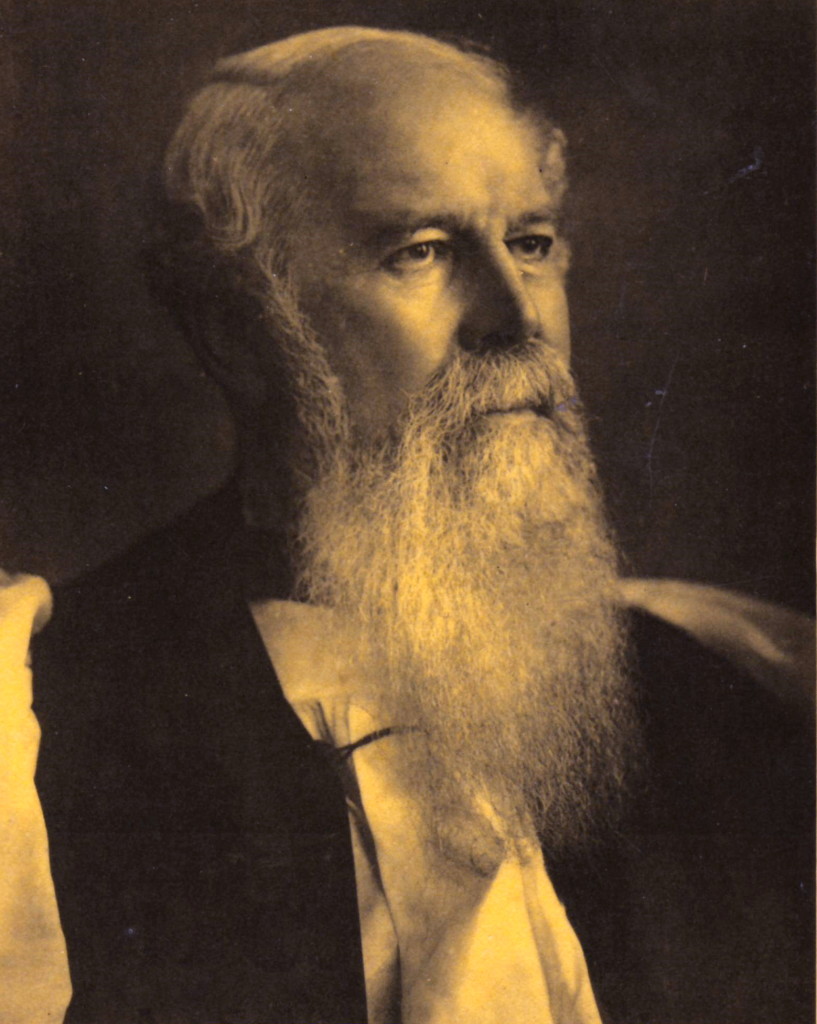
The article "Expository Thoughts on John 15:1-6" by J.C. Ryle discusses the intimate relationship between Christ and believers, described as the vine and the branches. Ryle argues that true life and spiritual vitality for believers come solely from their union with Christ, emphasizing that they possess no power or strength apart from Him. He uses Scripture, particularly John 15:1-6 and 2 Corinthians 12:10, to illustrate that Christians draw continual grace and strength from Christ, highlighting the encouragement this provides for persevering in faith. The text also warns against false Christians who appear outwardly connected to Christ but lack the vital union defined by the presence of spiritual fruit, ultimately stressing the importance of genuine faith evidenced by a life transformed by the Holy Spirit. This teaching underscores the Reformed doctrine of perseverance of the saints and the necessity of sanctification through trials.
Key Quotes
“The union between Christ and believers is just as close and just as real. In themselves believers have no life or strength or spiritual power.”
“Where there is no fruit there is no life. He that lacks these things is dead while he lives.”
“Every branch that bears fruit He prunes that it may bear more fruit.”
“Our trials are not meant to do us harm but good. God chastens us for our profit that we may be partakers of His holiness.”
What does the Bible say about the union between Christ and believers?
The Bible teaches that believers are intimately united with Christ, as depicted in John 15:1-6, where Christ is described as the Vine and believers as the branches, highlighting their complete dependence on Him for spiritual life.
John 15:1-6
How do we know if someone is a true Christian?
True Christians are identified by the fruit of the Spirit in their lives, including repentance, faith, and holiness, as evidence of their vital connection to Christ.
John 15:1-6, Luke 6:44
Why is spiritual fruit important for Christians?
Spiritual fruit is essential as it reflects a believer's vital union with Christ and signifies genuine faith and life in the Spirit.
John 15:1-6
What does the Bible say about false Christians?
The Bible warns that there are false Christians who appear outwardly connected to Christ but bear no fruit, signifying no true spiritual life.
John 15:1-6
Why does God allow trials for true Christians?
God allows trials to prune and purify believers, increasing their holiness and fruitfulness in the Christian life.
John 15:2, Hebrews 12:10
The Vine and the Branches.
These verses, we must carefully remember, contain a parable. In interpreting it we must not forget the great rule which applies to all Christ's parables. The general lesson of each parable is the main thing to be noticed. The minor details must not be tortured and pressed to an excess, in order to extract a meaning from them. The mistakes into which Christians have fallen by neglecting this rule, are neither few nor small.
We are meant to learn first, from these verses, that the union between Christ and believers is very close. He is "the Vine," and they are "the branches."
The union between the branch of a vine and the main stem, is the closest that can be conceived. It is the whole secret of the branch's life, strength, vigor, beauty, and fertility. Separate from the parent stem, it has no life of its own. The sap and juice that flow from the stem are the origin and maintaining power of all its leaves, buds, blossoms, and fruit. Cut off from the stem, it must soon wither and die.
The union between Christ and believers is just as close, and just as real. In themselves believers have no life, or strength, or spiritual power. All that they have of vital religion comes from Christ. They are what they are, and feel what they feel, and do what they do, because they draw out of Jesus a continual supply of grace, help, and ability. Joined to the Lord by faith, and united in mysterious union with Him by the Spirit, they stand, and walk, and continue, and run the Christian race. But every jot of good about them is drawn from their spiritual Head, Jesus Christ.
The thought before us is both comfortable and instructive. Believers have no cause to despair of their own salvation, and to think they will never reach heaven. Let them consider that they are not left to themselves and their own strength. Their root is Christ, and all that there is in the root is for the benefit of the branches. Because He lives, they shall live also. Worldly people have no cause to wonder at the continuance and perseverance of believers. Weak as they are in themselves, their Root is in heaven, and never dies. "When I am weak," said Paul, "then am I strong." (2 Cor. 12:10.)
We are meant to learn, secondly, from these verses, that there are false Christians as well as true ones. There are "branches in the vine" which appear to be joined to the parent stem, and yet bear no fruit. There are men and women who appear to be members of Christ, and yet will prove finally to have had no vital union with Him.
There are myriads of professing Christians in every Church whose union with Christ is only outward and formal. Some of them are joined to Christ by baptism and Church-membership. Some of them go even further than this, and are regular communicants and loud talkers about religion. But they all lack the one thing needful. Notwithstanding services, and sermons, and sacrament, they have no grace in their hearts, no faith, no inward work of the Holy Spirit. They are not one with Christ, and Christ in them. Their union with Him is only nominal, and not real. They have "a name to live," but in the sight of God they are dead.
Christians of this stamp are aptly represented by branches in a vine which bear no fruit. Useless and unsightly, such branches are only fit to be cut off and burned. They draw nothing out of the parent stem, and make no return for the place they occupy. Just so will it be at the last day with false professors and nominal Christians. Their end, except they repent, will be destruction.
They will be separated from the company of true believers, and cast out, as withered, useless branches, into everlasting fire. They will find at last, whatever they thought in this world, that there is a worm that never dies, and a fire that is not quenched.
We are meant to learn, thirdly, from these verses, that the fruits of the Spirit are the only satisfactory evidence of a man being a true Christian. The disciple that "abides in Christ," like a branch abiding in the vine, will always bear fruit.
He that would know what the word "fruit" means, need not wait long for an answer. Repentance toward God, faith toward our Lord Jesus Christ, holiness of life and conduct, these are what the New Testament calls "fruit." These are the distinguishing marks of the man who is a living branch of the true Vine.
Where these things are lacking, it is vain to talk of possessing dormant grace and spiritual life. Where there is no fruit there is no life. He that lacks these things is "dead while he lives."
True grace, we must not forget, is never idle. It never slumbers and never sleeps. It is a vain notion to suppose that we are living members of Christ, if the example of Christ is the only satisfactory evidence of saving union between Christ and our souls. Where there is no fruit of the Spirit to be seen, there is no vital religion in the heart. The Spirit of Life in Christ Jesus will always make Himself known in the daily conduct of those in whom He dwells. The Master Himself declares, "Every tree is known by his own fruit." (Luke 6:44.)
We are meant, lastly, to learn from these verses, that God will often increase the holiness of true Christians by His providential dealings with them. "Every branch," it is written, "that bears fruit, He prunes, that it may bear more fruit."
The meaning of this language is clear and plain. Just as the gardener prunes and cuts back the branches of a fruitful vine, in order to make them more fruitful, so does God purify and sanctify believers by the circumstances of life in which He places them.
Trial, to speak plainly, is the instrument by which our Father in heaven makes Christians more holy. By trial He calls out their passive graces, and proves whether they can suffer His will as well as do it. By trial He weans them from the world, draws them to Christ, drives them to the Bible and prayer, shows them their own hearts, and makes them humble. This is the process by which He "prunes" them, and makes them more fruitful. The lives of the saints in every age, are the best and truest comment on the text. Never, hardly, do we find an eminent saint, either in the Old Testament or the New, who was not purified by suffering, and, like His Master, a "man of sorrows."
Let us learn to be patient in the days of darkness, if we know anything of vital union with Christ. Let us remember the doctrine of the passage before us, and not murmur and complain because of trials. Our trials are not meant to do us harm, but good. God chastens us "for our profit, that we may be partakers of His holiness." (Heb. 12:10.) Fruit is the thing that our Master desires to see in us, and He will not spare the pruning knife if He sees we need it. In the last day we shall see that all was well done.

Comments
Your comment has been submitted and is awaiting moderation. Once approved, it will appear on this page.
Be the first to comment!