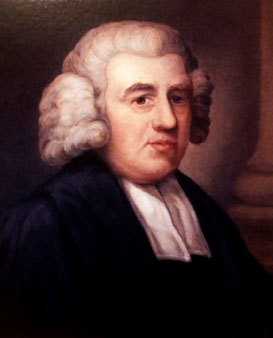
John Newton's letter "By the Grace of God I Am What I Am" emphasizes the transformative power of God's grace in the life of a believer. Newton articulates the distinction between temporal and eternal values, arguing that true significance lies not in earthly status but in one's relationship with God, which is only realized through His sovereign grace. He draws upon 1 Corinthians 15:10 to highlight that it is only by God's grace that believers differ from the perishing world. He further reflects on the eternal hope believers possess, reminding them of the importance of preparation for the inevitable future state of existence that awaits them. The letter serves as a call to live purposefully for God's glory while fostering a deep appreciation for the mercy shown to them.
Key Quotes
“By the grace of God I am what I am.”
“We are debtors great debtors to the sovereign grace of God which alone makes us to differ from the perishing world around us.”
“Our citizenship is in heaven—we are not at home—but only reside here on earth for a season to fulfill our appointed service.”
“No eye has seen, no ear has heard, and no mind has imagined—what God has prepared for those who love Him.”
What does the Bible say about God's grace?
The Bible teaches that we are saved by God's grace alone, as expressed in Ephesians 2:8-9.
Ephesians 2:8-9
How do we know the doctrine of election is true?
The doctrine of election is supported by biblical texts like Romans 8:29-30 and Ephesians 1:4-5.
Romans 8:29-30, Ephesians 1:4-5
Why is the doctrine of total depravity important for Christians?
Total depravity underscores our complete dependence on God's grace for salvation and sanctification.
Romans 3:10-12
What does it mean to have our citizenship in heaven?
Having our citizenship in heaven means that our true home and identity as believers is rooted in the eternal kingdom of God.
Philippians 3:20
June, 1773
Dear sir,
I must content myself with the idea of the pleasure it would give me, to sit with you half a day under my favorite great tree, and converse with you, not concerning the comparatively petty affairs of human governments—but of the things pertaining to the kingdom of God. How many delightful subjects would suggest themselves in a free and retired conversation! The excellency of our King, the permanency and glory of his kingdom, the beauty of his administration, the privileges of his subjects, the review of what he has done for us, and the prospect of what he has prepared for us in future—and if, while we were conversing, he should be pleased to join us (as he did the disciples when walking to Emmaus), how would our hearts burn within us! Indeed, whether we are alone or in company, the most interesting topics strike us but faintly—unless he is pleased to afford his gracious influence; but when he is present—light, love, liberty, and joy, spring up in the hearts that know him.
But we cannot meet. All that is left for me, is to use the liberty you allow me of offering a few hints upon these subjects by letter, not because you don't know them—but because you love them. The hour is coming, when all impediments shall be removed—all distinctions shall cease that are founded upon sublunary things, and the earth and all its works shall be burnt up. Glorious day! May our souls be filled with the thought, and learn to estimate all things around us now—by the view in which they will appear to us then. Then it will be of small consequence who was the prince, and who was the beggar, in this life; but who in their several situations sought, and loved, and feared, and honored the Lord.
Alas! how many of the kings of the earth, and the rich men, and the chief captains, and the mighty men, will then say (in vain) to the mountains and the rocks, "Fall on us and hide us from the face of him who sits on the throne, and from the wrath of the Lamb!" In this world they are for the most part too busy to regard the commands of God, or too amusing to seek his favor. They have their good things here; they please themselves for a while, and in a moment they go down to the grave. In that moment their thoughts perish, their schemes are left unfinished, they are torn from their possessions, and enter upon a new, an untried, an unchangeable, a never-ending state of existence! Alas, is this all the world can afford!
I congratulate you—not because God has appointed you to appear in an elevated rank, (this, abstracted from the opportunity it affords you of greater gospel usefulness, would perhaps be a more proper subject for condolence); but that he has admitted you to those honors and privileges which come from him alone, and which so few in the superior ranks of life think worthy of their attention. "By the grace of God I am what I am!" 1 Corinthians 15:10.
As believers, we are often affected with a sense of God's distinguishing mercy to us. We are debtors, great debtors to the sovereign grace of God, which alone makes us to differ from the perishing world around us!
Yet it does not yet appear what we shall be. We cannot form a just conception of the misery from which we are redeemed, much less of the price paid for our redemption! How little do we know of the Redeemer's surpassing excellency, and of the unutterable agonies He endured, when His soul was made an offering for sin, and it pleased the Father to bruise Him—that by His stripes we might be healed! These things will strike us in quite another manner—when we view them from the light of eternity!
May the cheering contemplation of the glorious hope set before us—support and animate us to improve our short interval on earth, and fill us with a holy ambition of shining as lights in this evil world, to the praise and glory of His grace—who has called us out of darkness, into His glorious light!
Encompassed as we are with snares, temptations, and infirmities, it is possible (by His promised assistance) to live in some good measure above the world—above the influence of its cares, its smiles, or its frowns. Our citizenship is in heaven—we are not at home—but only reside here on earth for a season, to fulfill our appointed service. The Lord, whom we serve, has promised that He will guide us by His wisdom, strengthen us by His power, and comfort us with the light of His countenance, which is better than life. Every temporal blessing we receive from Him, is a token of His favor, and a pledge of that far more exceeding and eternal weight of glory, which He has reserved for us in heaven. Oh! to hear Him say at last, "Well done, good and faithful servant! Enter into the joy of your Lord!" will be rich amends for all that we can lose, suffer, or endure, for His sake!
"No eye has seen, no ear has heard, and no mind has imagined—what God has prepared for those who love Him!" 1 Corinthians 2:9

Comments
Your comment has been submitted and is awaiting moderation. Once approved, it will appear on this page.
Be the first to comment!