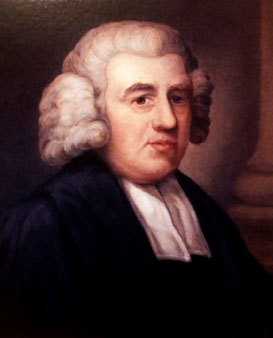
John Newton's article "How to Walk With God" addresses the importance of living a life fully devoted to God in the mundane aspects of daily life. Newton emphasizes that believers are called to honor God in every action and decision, relying on the Holy Spirit for guidance while also using the means God has appointed, such as prayer and Scripture. He draws upon 1 Corinthians 10:31, which states that all actions should be done for God's glory, to underline that genuine goodness exists only when actions are directed towards glorifying God rather than oneself. Practically, Newton highlights that true service to God transforms life into acts of piety, and calls for believers to embrace their duties with a heart directed solely towards God, providing assurance of divine support and acceptance irrespective of apparent success.
Key Quotes
“The true end of life is to live not to ourselves—but to Him who died for us and while we devote ourselves to his service upon earth to rejoice in the prospect of being happy with him forever in heaven.”
“Doing all to the glory of God is the true alchemy which turns everything to gold and ennobles the common actions of life into acts of piety.”
“Most of our perplexities arise from an undue though perhaps unperceived attachment to SELF.”
“Duty is their part; care is his and they are enabled to cast it upon him.”
What does the Bible say about walking with God?
The Bible emphasizes walking with God as living for His glory and serving Him wholeheartedly in our daily lives.
Moreover, walking with God involves recognizing our status as heirs of everlasting life, as mentioned in Ephesians 1:4-5, where we are chosen in Christ before the foundation of the world. While we remain in a world marred by sin, our purpose is to glorify Him through our service and to be instruments of His design in promoting His grace. This is a vital aspect of our Christian walk, and it is through our dependence on the Spirit that we fulfill this calling.
How do we know that serving God is essential?
Serving God is vital as it reflects our commitment to glorifying Him, which is the primary purpose of our lives.
Moreover, Newton notes that genuine service cannot be separated from the glory of God. In serving Him, we fulfill our primary purpose and find true satisfaction in our lives. Romans 12:1 encourages believers to present their bodies as a living sacrifice, holy and acceptable to God, which is their reasonable service. This requires a dedicated and sincere heart that seeks to honor God in every circumstance, ultimately proving that serving Him is essential for a fruitful and fulfilling Christian life.
Why is faith important for Christians?
Faith is crucial for Christians as it is through faith that we accept God's grace and empower our service to Him.
Additionally, faith leads believers to cast their care upon God, freeing them from anxiety and burdens that arise from self-reliance. Philippians 4:6-7 makes it clear that trusting in God brings peace that transcends understanding. Thus, faith is not only a means of salvation but also a necessary trust in God's ongoing work and sufficiency in every facet of life.
March, 1773
Dear sir,
A simple dependence upon the teaching and influence of the good Spirit of God, so as not to supersede the use of appointed means, would, if it could be uniformly maintained, make every part of duty easy and successful. It would free us from much solicitude, and prevent many mistakes. Methinks I have a subject in view already, a subject of great importance to myself, and which perhaps will not be displeasing to you—How to walk with God in the daily occurrences of life, so as to do everything for his sake and by his strength.
When we are justified by faith, and accepted in the Beloved—we become heirs of everlasting life; but we cannot know the full value of our privileges, until we enter upon the state of eternal glory. For this, most who are converted have to wait some time after they are partakers of grace. Though the Lord loves them, hates sin, and teaches them to hate it—he appoints them to remain a while in a sinful world, and to groan under the burden of a depraved nature. He could put them in immediate possession of the heaven for which he has given them a fitness—but he does not. He has a service for them here; an honor which is worth all they can suffer, and for which eternity will not afford an opportunity, namely—to be instruments of promoting his designs, and manifesting his grace in the world. Strictly speaking, this is the whole of our business here, the only reason why life is prolonged, or for which it is truly desirable, that we may fill up our connections and situations, improve our comforts and our crosses, in such a manner as that God may be glorified in us and by us.
As he is a bountiful Master and a kind Father, he is pleased to afford a variety of temporal blessings, which sweeten our service, and as coming from his hand are very valuable. But they are by no means worth living for, considered in themselves, as they can neither satisfy our desires, preserve us from trouble, or support as under it. That light of God's countenance, which can pervade the walls and dissipate the gloom of a dungeon, is unspeakably preferable to all that can be enjoyed in a palace without it. The true end of life is, to live not to ourselves—but to Him who died for us; and while we devote ourselves to his service upon earth, to rejoice in the prospect of being happy with him forever in heaven.
These things are generally known and acknowledged by professors; but they are a favored few who act consistently with their avowed principles; who honestly, diligently, and without reserve, endeavor to make the most of their talents and strength in promoting the Lord's service, and allow themselves in no views or designs but what are plainly subordinate and subservient to it. Yes, I believe the best of the Lord's servants see cause enough to confess, that they are not only unprofitable in comparison of what they wish to be—but in many instances unfaithful likewise. They find so many snares, hindrances, and temptations, arising from without, and so much encumbrance from sin which dwells within—that they have more cause for humiliation than self-complacence, even when they seem most earnest and most useful.
However, we have no Scriptural evidence that we serve the Lord at all, any farther than we find a habitual desire and aim to serve him wholly. He is gracious to our imperfections and weakness; yet he requires all the heart, and will not be served by halves, nor accept what is performed by a divided heart.
Doing all to the glory of God, is the true alchemy which turns everything to gold, and ennobles the common actions of life into acts of piety; 1 Cor. 10:31. Nor is there a grain of real goodness in the most specious actions, which are performed without a reference to God's glory. This the world cannot understand; but it will appear highly reasonable to those who take their ideas of God from the Scripture, and who have felt the necessity and found the benefits of redemption.
We are debtors many ways—the Lord has a right to us by creation, by redemption, by conquest, when he freed us from Satan's power, and took possession of our hearts by his grace; and, lastly, by our own voluntary surrender, in the day when he enabled us to fix our choice on himself—as our Lord and our portion. Then we felt the force of our obligations. We saw the beauty and honor of his service, and that nothing was worthy to stand in the least degree of competition with it. This is always equally true, though our perceptions of it are not always equally strong. But where it has been once really known, it cannot be wholly forgotten, or cease to be the governing principle of life; and the Lord has promised to revive the impression in those who wait upon him, and thereby to renew their strength; for in proportion as we feel by what ties we are his—we shall embrace his service as perfect freedom.
Again—when the eye is thus single, the whole body will be full of light. The principle of acting simply for God, will in general make the path of duty plain, solve a thousand otherwise dubious questions, lead to the most proper and obvious means, and preclude that painful anxiety about events, which upon no other plan can be avoided. The love of God is the best casuist; especially as it leads us to a careful attendance to his precepts, a reliance on his promises, and a submission to his will.
Most of our perplexities arise from an undue, though perhaps unperceived, attachment to SELF. Either we have some scheme of our own too closely connected with our general view of serving the Lord; or lay some stress upon our own management, which, though we suspect it may possibly fail us, we cannot entirely help trusting to. In these respects the Lord permits his servants occasionally to feel their own weakness; but if they are sincerely devoted to him, he will teach them to profit by it, and bring them by degrees to a simplicity of dependence, as well as of intention. Then all things are easy. Acting from love, and walking by faith, they can neither be disappointed or discouraged. Duty is their part, care is his, and they are enabled to cast it upon him. They know, that, when their expedients seem to fail—that he is still all-sufficient. They know, that, being engaged in his cause, they cannot miscarry; and that, though in some things they may seem to fall short of success, they are sure of meeting acceptance, and that he will estimate their services not by their actual effects—but according to the gracious principle and desire he has put into their hearts. 2 Chron. 6:7-8.

Comments
Your comment has been submitted and is awaiting moderation. Once approved, it will appear on this page.
Be the first to comment!