Bootstrap
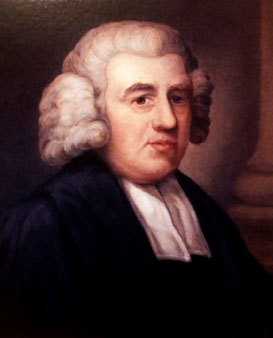
John Newton

His most afflictive dispensations!

Hebrews 12:6-12; Proverbs 3:11-12
John Newton May, 12 2026 Audio
0 Comments
Another comforting gem on the wisdom and love of God in afflicting His children.

John Newton’s sermon, "His Most Afflictive Dispensations," delves into the theological topic of God's providence in human suffering, emphasizing the Reformed doctrine of sanctification through affliction. Newton argues that trials serve a divine purpose, being orchestrated by God's love for the believer to promote spiritual growth and reliance on Him. He references Hebrews 12:6-12 and Proverbs 3:11-12, illustrating how God's chastening is a demonstration of His paternal care, leading to the "peaceable fruits of righteousness." The sermon highlights the significance of viewing afflictions as means through which believers are drawn closer to God, ultimately underscoring the hope of eternal glory that transcends present sufferings.

Key Quotes

“Your afflictions all come from God's heart, who loves you far better than you love yourself.”

“It has been the beaten path in every age, for the innumerable multitudes of the redeemed… to enter the glorious kingdom by this same path.”

“Hitherto the Lord has helped us, He has delivered us in six troubles, and we may trust Him in the seventh.”

“Happy Affliction! That brought me nearer to my God.”

What does the Bible say about affliction?

The Bible teaches that afflictions are under God's sovereign direction and are used for our growth in grace (Hebrews 12:6-12).

In Hebrews 12:6-12, we learn that God disciplines those He loves, likening His afflictions to that of a loving father who chastens his children for their good. These trials serve as necessary means for promoting spiritual growth and are evidence of His love and favor towards His redeemed. Through afflictions, we are reminded of our dependence on God, leading us to a deeper faith and trust in His providence.

Hebrews 12:6-12, Proverbs 3:11-12

How do we know God's purpose in our suffering?

God's purpose in our suffering is to refine us and bring glory to Himself, as seen in His careful orchestration of our trials.

The purpose of our suffering is twofold: to advance God's glory and our good. As John Newton explains, God's hand is graciously directing all our troubles, making them necessary for our spiritual benefit. Each affliction is not random but serves a divine purpose, promoting our growth in grace and holiness. Through these experiences, we learn to trust God more fully and can reflect on the suffering of Christ, which provides us with the strength to endure our own trials.

Romans 8:28, 1 Peter 1:6-7

Why is patience important during trials?

Patience is crucial during trials as it allows us to await God's timing and experience His faithfulness.

Patience during trials is vital as it aligns our hearts with the will of God, enabling us to submit to His divine purpose. In affliction, we may feel overwhelmed; however, acknowledging God's sovereignty fosters patience. This patience produces endurance, which is essential for our spiritual maturity (James 1:2-4). The assurance that God is working all things for our good helps us endure, reminding us that our current hardships prepare us for an eternal weight of glory that far outweighs them all.

James 1:2-4, Romans 5:3-5

Sermon Transcript

Auto-generated transcript • May contain errors

100%
his most afflictive dispensations by John Newton. Dear friend, I hope that you have found your trials so sweetened and so sanctified by God's blessing that you have been enabled to rejoice in them. Whatever may be the immediate causes of your troubles, they are all under the direction of a gracious hand. and each, in their place, are moving to a gracious end. Your afflictions all come from God's heart, who loves you far better than you love yourself. They are all tokens of His love and favor and are necessary means of promoting your growth in grace. You are in the hands of Him who does all things well and conducts His most afflictive dispensations to those who fear Him with wisdom and mercy.

The Lord knows what is best for you. When there is an especial needs be for your being in the furnace, He knows how to support you. He also knows at what season and in what manner deliverance will best advance both His glory and your good. These are the two great ends which He has in view and which are inseparably intertwined. He knows our frame and of what we are made.

His pity exceeds that of the most tender parent. And though He chastens His redeemed children, He will have compassion on them. Your afflictions, which at present are not joyous but grievous, shall, when you have been duly exercised by them, yield the peaceable fruits of righteousness. I trust the Lord gives you a measure of patience and submission to His holy will. If so, everything shall be well, and when He has tried you, you shall come forth as gold. The thoughts of what we have deserved at His hands and what Jesus has suffered for our sakes, when applied by His Holy Spirit, have a sovereign efficacy to compose our minds and enable us to say, not my will, but may your will be done. How unspeakably better it is to be chastened by the Lord now than to be left to ourselves and at last condemned with the world.

The path of affliction is sanctified by the promises of God and also by the consideration of our Lord Jesus, who walked in it himself, that we might not think it too much to tread in his steps. Yes, it has been the beaten path in every age, for the innumerable multitudes of the redeemed who are now before the eternal throne have entered the glorious kingdom by this same path.

Let us not then be weary and faint, but cheerfully consent to be the followers of those who, through faith and patience, are now inheriting the promises. If, after much tribulation, we shall be forever with Jesus, we shall not then think much of the difficulties we met with in our pathway to glory. Then sorrow and sighing shall cease forever, and songs of triumph and everlasting joy shall take their place, O happy transporting moment, when the Lord God Himself shall wipe every tear from our eyes. Until then, may the prospect of our eternal glory with Jesus cheer and comfort our hearts. Hitherto the Lord has helped us, He has delivered us in six troubles, and we may trust Him in the seventh. Whatever storms may arise, we have an infallible and almighty pilot, who will be a sun and a shield to those who love Him.

As long as we live, new trials will be needful for us. It is not that the Lord delights in grieving us. On the contrary, He rejoices in the spiritual prosperity of His people. Our every trial is for our profit. that we may be made partakers of His holiness.

Perhaps you may have observed a bird upon the branches of a tree. If you disturb it, then it will move a little higher, and thus you may make it change its place three or four times. But if you continue to pursue it, then it takes wing at last and flies away. Thus it is with us.

When the Lord drives us from one creature rest, we immediately perch upon another. But He will not allow us to stay long upon any. At length, like the bird, we are sensible that we can have no safety, no stable peace below. Then our hearts take flight and soar heavenwards. and we are taught by His grace to place our treasure and affections out of the reach of earthly vanities. So far as this end is accomplished, we have reason to be thankful and say, Happy Affliction! That brought me nearer to my God.
John Newton
About John Newton
John Newton (1725-1807) was an English Anglican clergyman, staunch Calvinist, and abolitionist, most widely known for authoring the hymn Amazing Grace.
Broadcaster:

Comments

0 / 2000 characters
Comments are moderated before appearing.

Be the first to comment!

0:00 0:00