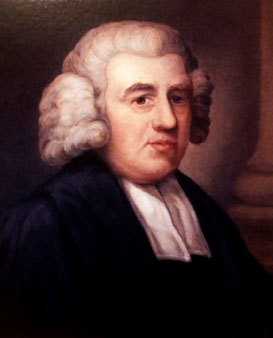
John Newton's letter, "When We See the World in Flames," addresses the theological topic of God's forbearance and judgment in the face of human sin. Newton emphasizes God's remarkable patience towards sinners, who continuously oppose Him yet remain recipients of His grace. He highlights specific Scripture references, such as the story of Herod Agrippa, to illustrate how God occasionally intervenes in history as a demonstration of His sovereignty and justice. Newton asserts that understanding the gravity of sin and the depth of God's mercy is vital for believers, prompting gratitude for their salvation through Jesus Christ. This doctrinal significance lays a foundation for recognizing the dual nature of God's character—both His judgment against sin and His compassionate grace towards repentant sinners.
Key Quotes
“How wonderful is the patience of God towards sinful men… His forbearance towards them manifests his glory and gives us cause to say, Who is a God like unto you?”
“Though the springs of actions and events are concealed from us for the most part… they are under his eye and control.”
“In order to understand it fully—we should have a full and adequate sense of the evil from which we are delivered… the astonishing means to which we owe our great salvation.”
“May the Lord by faith give us an abiding evidence of the reality and importance of these eternal realities—so shall we be enabled to live above the world while we are in it…”
What does the Bible say about God's patience towards sinners?
The Bible exemplifies God's patience towards sinners, highlighting His long-suffering nature even when they oppose Him.
Acts 17:28, Romans 2:4-5
How do we know that God's mercy is true?
God's mercy is evident in His choice to spare certain individuals despite their unworthy nature, as stated in His word.
Romans 9:15, 1 Peter 2:9
Why is understanding sin important for Christians?
Understanding sin is crucial for Christians as it shapes our view of God's grace and the magnitude of our salvation.
Romans 6:23, Isaiah 53:5
December 8, 1774
Dear sir,
How wonderful is the patience of God towards sinful men! In him they live, and move, and have their being; and if he were to withdraw his support for a single moment, they must perish! He maintains their lives, guards their persons, supplies their needs—while they employ the powers and faculties they receive from him in a settled course of opposition to his will. They trample upon his laws, affront his government, and despise his grace—yet still he spares! To silence all his adversaries in a moment, would require no extraordinary exertion of his power; but his forbearance towards them manifests his glory, and gives us cause to say, "Who is a God like unto you?"
Sometimes, however, there are striking instances of his displeasure against sin. When such events take place immediately upon a public and premeditated contempt offered to Him who sits in the heavens. For though his long-suffering is astonishing, and many dare him to his face daily, with seeming impunity; yet he sometimes strikes a dreadful and unexpected blow, and gives an illustration of that solemn word, "Who ever hardened himself against the Lord, and prospered?" But who am I, to make this observation? I ought to do it with the deepest humiliation, remembering that I once stood (according to my years and ability) in the foremost rank of his avowed opposers; and with a determined and unwearied enmity—renounced, defied, and blasphemed him! "But he will have mercy on whom He will have mercy;" and therefore I was spared, and reserved to speak of his goodness.
Josephus, when speaking of the death of Herod Agrippa, ascribes it to a natural cause, and says, he was seized with excruciating pains in his intestines. But Luke informs us of the true cause—an angel of the Lord smote him! Had we a modern history, written by an inspired pen, we would probably often be reminded of such an interposition where we are not ordinarily aware of it. For though the springs of actions and events are concealed from us for the most part, and vain men carry on their schemes with confidence, as though the Lord had forsaken the earth; yet they are under his eye and control. Faith in some measure, instructed by the specimens of his government recorded in the Scripture, can trace and admire his hand, and can see how he takes the wise in their own craftiness, and stains the pride of human glory; and that, when sinners speak proudly, he is above them, and makes everything bend or break before him.
While we lament the growth and pernicious effects of infidelity, and see how wicked men and seducers wax worse and worse, deceiving, and being deceived; what gratitude should fill our hearts to Him, who has been pleased to call us out of the horrid darkness in which multitudes are bewildered and lost—into the glorious light of His Gospel!
Faint are our warmest conceptions of this mercy. In order to understand it fully—we should have a full and adequate sense of the evil from which we are delivered; the glory to which we are called; and especially of the astonishing means to which we owe our great salvation—the humiliation, sufferings, and death of the Son of God!
But our views of these points, while in our present state—are and must be exceedingly weak. We know them but in part, we see but a din reflection of them. And though they are faithfully represented in the mirror of God's Word, to us they appear indistinct, because we see them through a gross medium of ignorance and unbelief.
In heavenly glory, every veil shall be removed; and we shall fully know—the unspeakable evil of sin, and the unsupportable dreadfulness of God's displeasure against it, when we see the world in flames, and hear the final sentence denounced upon the ungodly!
We shall have far other thoughts of Jesus when we see him as he is; and shall then be able to make a more affecting estimate of the love which moved him to be made a substitute and a curse for us. And we shall then know what great things God has prepared for those who love him. Then with transport, we shall adopt the queen of Sheba's language, "It was a true report we heard in yonder dark world; but, behold, the half, the thousandth part, was not told us!" In the mean time, may such conceptions as we are enabled to form of these great truths, fill our hearts, and be mingled with all our thoughts and all our concerns. May the Lord, by faith, give us an abiding evidence of the reality and importance of these eternal realities—so shall we be enabled to live above the world while we are in it, uninfluenced either by its blandishments or its frowns; and, with a noble simplicity and singularity, avow and maintain the cause of God in truth, in the midst of a crooked and perverse generation. He whom we serve is able to support and protect us; and he well deserves at our hands, that we should be willing to endure, for his sake, much more than he will ever permit us to be exercised with.
You are not indeed called to serve God quite alone; but among those of your own rank, and with whom the station in which he has placed you—how few are there who can understand or approve, the principles upon which you act, or easily bear a conduct which must impress conviction, or reflect dishonor upon themselves! But you are not alone; the Lord's people (many of whom you will not know until you meet them in glory) are helping you here with their prayers; his angels are commissioned to guard and guide your steps; yes, the Lord himself fixes his eye of mercy upon your private and your public path, and is near you at your right hand, that you may not be moved! That he may comfort you with the light of his countenance, and uphold you with the arm of his power, is my frequent prayer.

Comments
Your comment has been submitted and is awaiting moderation. Once approved, it will appear on this page.
Be the first to comment!