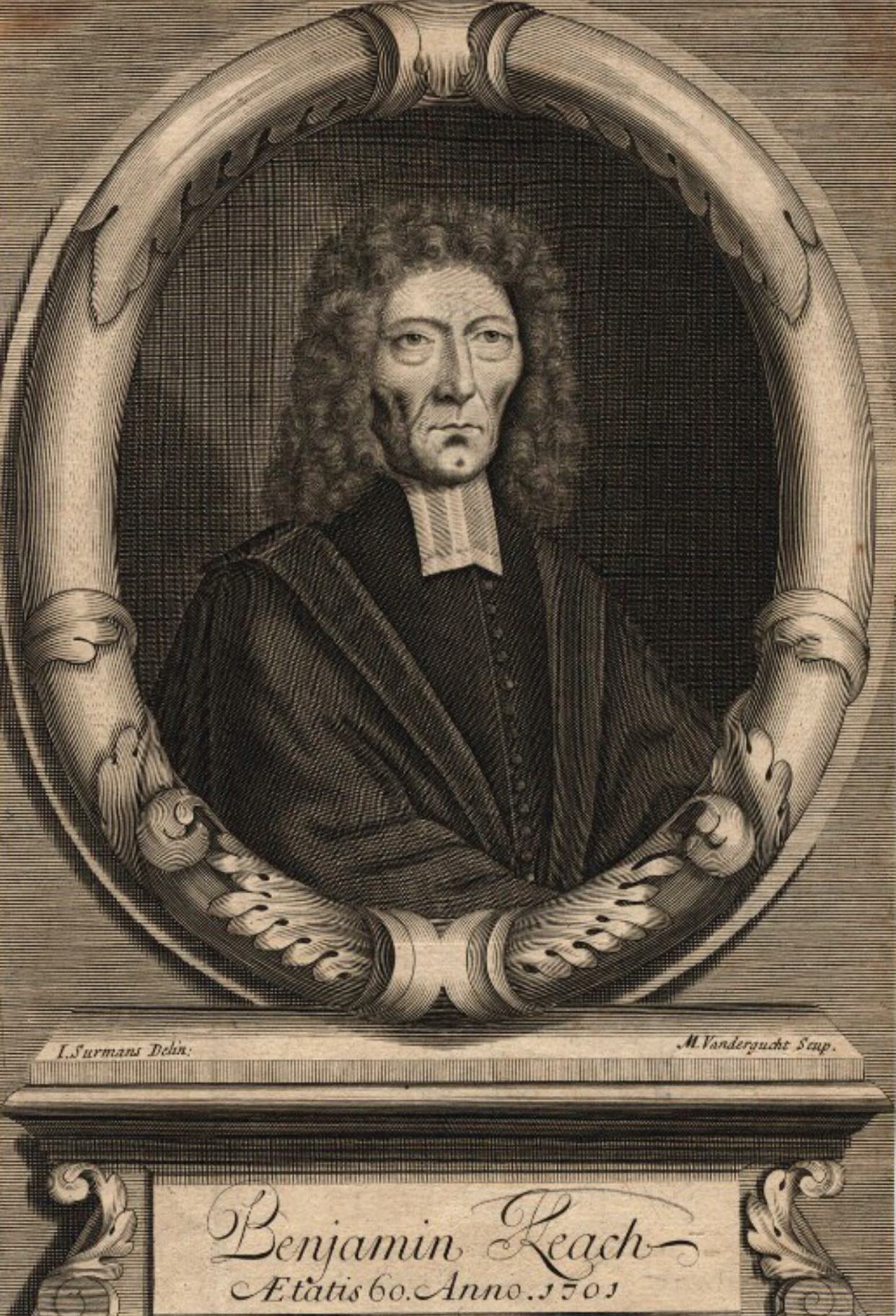
The article "Christ the True Manna" by Benjamin Keach explores the typological relationship between Christ and the manna provided to the Israelites in the wilderness. Keach presents a series of parallels illustrating how the manna serves as a type of Christ, emphasizing that like the manna, which was heavenly food, Christ is the true bread from heaven offering spiritual sustenance. He supports his arguments with various Scripture references, including John 6:50, where Christ identifies Himself as the bread that gives eternal life, and Revelation 2:17, which alludes to the hidden manna promised to the overcomers. This typological understanding holds significant doctrinal implications, affirming the Reformed principle of Christ's sufficiency as the sole source of spiritual nourishment and the importance of faith in receiving Him.
Key Quotes
“Christ is the true bread or Manna from heaven.”
“Whatsoever is pleasant sweet and delicious in a spiritual sense is found in Christ.”
“Those that will receive saving benefit by Christ must receive and eat him spiritually by faith.”
“Christ is ever the same and always to be found by those that seek him aright both in prosperity and adversity to his elect.”
What does the Bible say about Christ as the true manna?
The Bible describes Christ as the true bread that comes down from heaven, which brings eternal life to those who believe.
John 6:50, Revelation 2:17
How do we know Christ as the true manna is true?
Christ fulfills the symbolism of manna through His sacrificial death and ongoing presence for believers.
John 6:35, Isaiah 53:10
Why is Christ as the true manna important for Christians?
Christ as the true manna is vital because He provides spiritual sustenance and eternal life for believers.
John 6:56-57, Philippians 4:19
CHRIST THE TRUE MANNA
"This is the Bread which cometh down from heaven, that a man may eat thereof, and not die," Joh 6:50.
"To him that overcometh, will I give to eat of the hidden Manna" Re 2:17.
CHRIST, and the graces of Christ, are called Manna, the Antitype of that Manna that fell in the wilderness, Ex 16. Manna in Hebrew XX, man, from XXX, manna,prepare, to prepare, because it was food prepared from heaven for the Israelites in the wilderness. [1]
[1] Cum viderent Israelite illam, quasi quandam pruinam aut nivein circum castra passim jacere et albicare, guæsierunt a se invicein, XXX XX, &c.
Flacc. Illyricus,[2] and others, say, that when the Israelites saw it like congealed dew, or small hail or snow, lying up and down about the camp, they asked one another, XXX XX what's that? what's that? And because of frequent repetition, that it might be more easily pronounced, they added the letter X, and pronounced manhu, whence they retain the word XX man, Manna.
[2] Clav. Script, in vocem. Hieron. Laurett. Sylva Alleg. &c.
TYPE
I. Manna was a strange and mysterious thing at first to the Israelites, they knew not what it was, Ex 16.
PARALLEL
I. Jesus Christ is the wonder of men and angels; and when he came into this world, yea, to his own, they knew him not, 1Ti 3:16; Joh 1:11-12.
TYPE
II. Manna was food prepared from heaven.
PARALLEL
II. Christ had a body prepared of the Father, that he might be food for believers, Heb 10:5.
TYPE
III. Manna came down or descended from heaven.
PARALLEL
III. Christ is the true bread, or Manna from, heaven, Joh 6:35.
TYPE
IV. Manna was white, it was a pure, fair, and bright thing.
PARALLEL
IV. Sic Christus describitur, Apoc. 1. So is Christ described without sin, Re 1; 1Pe 2:22.
TYPE
V. Manna was round in form and figure.
PARALLEL
V. Christ, respecting his Divinity, is infinite, perfect, and entire, no beginning, no end.
TYPE
VI. Manna was a gift, it was given to Israel freely, it cost them nothing.
PARALLEL
VI. Christ is called a gift, the choicest Gift that ever God bestowed, given freely for the life of the world, Joh 4:10.
TYPE
VII. Manna was given to all, to the poor, as well as to the rich; none were forbidden to partake thereof.
PARALLEL
VII. Christ is sent to all, to Jews and Gentiles, to the small as well as to the great, to the poor as well as the rich; none are excluded.
TYPE
VIII. Manna was pleasant, it had all the taste and relish of sweetness in it.
PARALLEL
VIII. Whatsoever is pleasant, sweet, and delicious in a spiritual sense, is found in Christ; his word is sweet as honey, or the honey-comb: "O taste and see how good the Lord is," Ps 34:8.
TYPE
IX. Manna did nourish well, and was given in great plenty.
PARALLEL
IX. Christus sufficat ad omnes, &c. Christ is very sufficient and plentiful, there is in him enough to nourish and feed all. What soul is there but may be filled to the full, if he comes to Christ.
TYPE
X. Manna was to be bruised in a mill, that so it might become more useful for food.
PARALLEL
X. Christus, ut animis nostris cibus esset, doloribus mortis in cruce contundebatur: Christ, that he might be food for our souls, was bruised: "It pleased the Father to bruise him," Isa 53:10.
TYPE
XI. Manna was given equally to all the Israelites; they had all a certain measure, not one more than another, were all fellow-commoners; every man had his part, his omer.
PARALLEL
XI. All true Israelites have their equal share in Christ, a whole Christ is given to every saint: they have all one portion, one husband, one kingdom and crown, that fadeth not away.
TYPE
XII. Manna was a small and little thing unto the eye, like to a coriander-seed.
PARALLEL
XII. Christ was little, low, and contemptible in the eyes of the world, of no reputation, Php 2.
TYPE
XIII. Manna came down with the dew, it was covered or hid as it were with dew.
PARALLEL
XIII. Christ came down with the dew of the Spirit, being baptized or covered therewith, hence called, as some conceive, hidden Manna, Re 2:17.
TYPE
XIV. Manna was not given to the Israelites, whilst they were in Egypt.
PARALLEL
XIV. Christ, who is the true Manna, is not given to unbelievers, that remain in bondage and slavery, under the power of sin and Satan.
TYPE
XV. Manna fell round about the camp of Israel, and in no other place.
PARALLEL
XV. Christ is conversant within the limits of his Church. The graces of the Spirit fall upon mount Hermon; "The dew descends upon the mountains of Zion," Ps 133:3. There God commanded the blessing, even life for evermore. Christ walks "In the midst of the golden candlesticks," Re 1:13.
TYPE
XVI. Manna was given to Israel in the wilderness it was their only food, whilst they remained in that desert state.
PARALLEL
XVI. Christ, and the blessings of Christ, are given to us, who are in the desert or wilderness of this world. We have no other food for our souls, but are to live upon Christ by faith, so long as we are in this howling wilderness.
TYPE
XVII. It was gathered daily, except on the sabbath, then there was none to he found.
PARALLEL
XVII. Those that would have Christ, must seek him in the time God hath appointed. In the day of the glorious rest or sabbath, that remains to the people of God, there will be no Christ, no Manna for sinners.
TYPE
XVIII. They went out of their tents to gather it.
PARALLEL
XVIII. We must go out of the old man, and sensual rests, and love of this world, if we would participate of Christ, 2Co 5:17.
TYPE
XIX. If Manna was kept or received otherwise than God ordained and appointed, it stank, and bred worms.
PARALLEL
XIX. The sacrament of the Lord's Supper, or any other institutions of Christ, made use of, or received in other manner than Christ hath ordained and appointed, it stinks in the nostrils of God, and is abhorred by good men.
TYPE
XX. Manna ceased when Israel came into Canaan.
PARALLEL
XX. Living by faith, and our being fed by ordinances, will cease when we come to heaven.
TYPE
XXI. Manna was only given to the Israelites.
PARALLEL
XXI. Christ, and the Bread of life, is only given to believers.
TYPE
XXII. Those that would receive the benefit of Manna, were to eat it.
PARALLEL
XXII. Those that will receive saving benefit by Christ, must receive and eat him spiritually by faith.
TYPE
XXIII. Manna came very seasonably to Israel, they had else starved.
PARALLEL
XXIII. Christ was promised seasonably, and came seasonably into the world, in the very nick of time. "In due time Christ died for the ungodly." We had perished else for ever.
TYPE
XXIV. Manna was to be kept, and put in a golden pot before the Lord, to remain in the holiest for ever.
PARALLEL
XXIV. Christ is glorified in heaven, in his human nature, at the right-hand of God, and abides there for ever for the faithful, Heb 9:12,24.
TYPE
XXV. Manna was loathed by those evil murmurers on whom the wrath of God fell, they esteemed it light bread.
PARALLEL
XXV. Jesus Christ, in his word, ordinances, and administrations, is loathed by carnal and ungodly men; yea, and many account Christ's good word light bread.
TYPE
XXVI. In the day before the sabbath, in the night, Manna fell abundantly, that so they might gather it on that day, to provide food for the sabbath.
PARALLEL
XXVI. Christ now before the last day, the beginning of the true eternal sabbath, is more fully revealed, that so poor saints might be provided for, before the everlasting rest, and end of time comes, Re 14:6.
TYPE
I. The Manna was food for the outward man, for the body only.
DISPARITY
I. Christ is food for the soul.
TYPE
II. Manna was eaten by many that were wicked, though of the national church of the Jews.
DISPARITY
II. Christ is not food for, nor received by any, but those who are truly godly, and Israelites indeed. "He that eateth me, even he shall live by me: He that eateth my flesh, dwelleth in me, and I in him," Joh 6:56-57.
TYPE
III. Manna did corrupt and putrify.
DISPARITY
III. Christ, the true Manna, can never corrupt, but abideth for ever.
TYPE
IV. Manna was only found at some certain times, it melted away when the sun rose.
DISPARITY
IV. Christ is ever the same, and always to be found by those that seek him aright, both in prosperity and adversity, to his elect.
TYPE
V. Those that did eat of Manna in the wilderness are dead, they perished.
DISPARITY
V. Those that eat of the spiritual Manna shall never die. "He that believeth is passed from death to life, and shall not come into condemnation," Joh 5:24. "This is the bread that came down from heaven, that a man may eat thereof, and not die," Joh 6:50.
TYPE
VI. The Manna that was reserved in the holiest, was spoiled, and did perish.
DISPARITY
VI. But our heavenly Manna abides still in the holy place.
See Christ the Bread of Life.

Comments
Your comment has been submitted and is awaiting moderation. Once approved, it will appear on this page.
Be the first to comment!