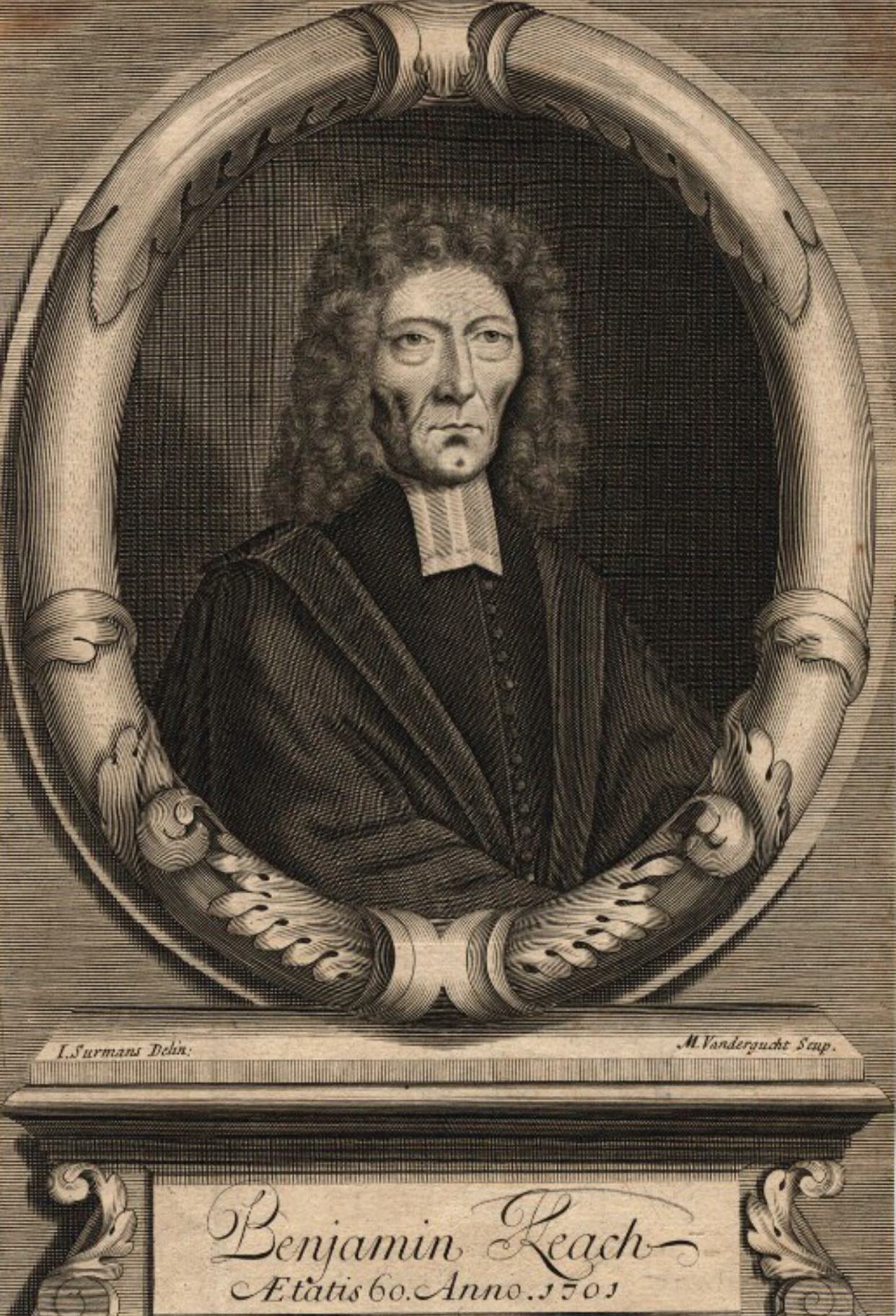
The article by Benjamin Keach presents a theological comparison between Christ and the Brazen Serpent, emphasizing salvation through faith in Jesus. Keach outlines several metaphors that parallel the Old Testament event of Moses lifting the serpent in the wilderness (John 3:14-15) with Christ's crucifixion and redemptive work. He points out that just as the Israelites were healed by looking at the Brazen Serpent, so too are sinners healed when they look to Christ in faith (1 Corinthians 1:23-24). The article highlights that neither the Law nor any other means can redeem humanity from sin as only Jesus can provide eternal life. This comparison reveals the critical significance of faith in Christ for salvation and illustrates the grace of God in providing a means for healing from spiritual wounds.
Key Quotes
“So neither the law nor Levite nor any creature could cure mankind nor redeem them from the sting of sin and death but only Jesus Christ.”
“So they who look up to Christ by a true faith though ever such great sinners shall be healed and saved from eternal death.”
“Christ crucified is to the Jews and many others in the world an unlikely way to save men's souls.”
“What we see here demonstrates not only the necessity of a Saviour but also of faith in him.”
What does the Bible say about the Brazen Serpent and Christ?
The Brazen Serpent foreshadows Christ, who was lifted up on the cross for the healing of sinners.
John 3:14-15
How do we know Christ's atonement is sufficient for salvation?
Christ's sacrifice on the cross is the only sufficient means for salvation and healing from sin.
Hebrews 7:26-27, John 3:16
Why is faith in Christ important for Christians?
Faith in Christ is essential as it is the only means by which one can be healed from sin and obtain eternal life.
John 3:14-15, Ephesians 2:8-9
CHRIST COMPARED TO THE BRAZEN SERPENT
"As Moses lifted up the serpent in the wilderness, even so must the Son of man be lifted up That whosoever believeth in him should not perish, but have everlasting life," Joh 3:14-15.
METAPHOR
I. THE people were stung with fiery serpents, and thereby mortally wounded.
PARALLEL
I. SINNERS are stung with sin, that is like the sting of a serpent; "The poison of asps is under their tongue," Ro 3:13. Sin wounds the soul, "My wounds stink and are corrupt." See more where sin is compared to a Serpent.
METAPHOR
II. Neither Moses, nor the law, could cure the people that were stung with those fiery serpents, but the Brazen Serpent.
PARALLEL
II. So neither the law nor Levite, nor any creature could cure mankind, nor redeem them from the sting of sin and death, but only Jesus Christ.
METAPHOR
III. The Serpent of brass was to lifted upon a pole.
PARALLEL
III. So Christ was lifted up, upon the cross, and is lifted up in the ministry of the word, and the ordinances of the Gospel, and thereby in the hearts of believers, Joh 12:34.
METAPHOR
IV. After many people died that were stung, the Brazen Serpent was appointed to be lifted up, as an ordinance of healing.
PARALLEL
IV. So after mankind sinned, and was brought under death, Christ came by the appointment of God to die and be crucified, or lifted up upon the cross to heal and recover us of our wounds.
METAPHOR
V. A Serpent wounded, and a Serpent healed. The first that wounded had poison in him; but the second, though called a Serpent, was without poison or sting; it had the similitude of a Serpent, but had no venom.
PARALLEL
V. So (saith Mr. Guild)[1] as the first Adam lost mankind, the second Adam redeemed mankind. The first had sin and venomous poison in him by means of his hearkening to the old Serpent; the second though called a sinner, and made to bear our sins, and had the similitude of a sinful man, but yet without sin, Heb 7:26-27.[2]
[1] Moses Unveiled, p. 85.
[2] Ainsworth.
METAPHOR
VI. The Brazen Serpent was not forged by man's hand or hammer, but in a mould in the fire.
PARALLEL
VI. So Christ was not begotten by man, but, conceived by the Holy Ghost in the womb of the Virgin.[3]
[3] Guild.
METAPHOR
VII. It was made of brass and not of gold; which metal besides that it is of a fiery colour, and so might resemble the colour of the Serpent, is also strong and durable. "Is my strength," saith Job, "the strength of stones, or is my flesh of brass?"
PARALLEL
VII. So was Christ sent not with outward glory or worldly pompous show, but mean and humble in outward appearance; brass being strong, &c., in this respect, it might figure out the strength of Christ, who was able by the power of the Godhead to endure and overcome all his tribulations.[4]
[4] Ainsworth.
METAPHOR
VIII. They that looked up to the Brazen Serpent, though ever so grievously wounded and stung, yet were healed and saved from death.
PARALLEL
VIII. So they who look up to Christ by a true faith, though ever such great sinners, shall be healed and saved from eternal death. By recovery of natural life in the Israelites, was figured eternal life by Christ.
METAPHOR
IX. They that looked upon their sores and grievous wounds, and not to the sign that was erected by God's appointment, died, notwithstanding the Serpent of Brass.
PARALLEL
IX. So they who are bitten and grievously wounded with sin, if they fix their eyes thereon, and grieve and mourn in the sight of it, and do not look unto Christ by believing, despair and die eternally, notwithstanding the blessed Saviour.
METAPHOR
X. If they sought to surgeons or physicians, or used any salves or medicines of their own, or others, yet they perished.
PARALLEL
X. So whosoever seek to any for help but Christ, or endeavour by their own works, or reformation of life, to have peace with God; or trust to, and rely upon the bare mercy of God, considering his justice; and do not come to Jesus Christ; and look up to him as crucified, to satisfy for their sins, are like to perish for ever. Let the men that talk of the light within look to this.
METAPHOR
XI. The Brazen Serpent was an unlikely thing or way to human reason, to heal such deadly wounds.
PARALLEL
XI. So Christ crucified is to the Jews, and many others in the world, an unlikely way to
save men's souls: "We preach Christ crucified, unto the Jews a stumbling-block, and to the Greeks foolishness; but unto them, that are called, Christ the power of God," &c., 1Co 1:23-24.
METAPHOR
XII. He that had a weak eye or eyes, and yet looked up to the Brazen Serpent, was cured.
PARALLEL
XII. So he that hath but a weak faith, yet looks up unto Christ, shall be saved. "We read
of three degrees of faith in the Gospel, and yet the weakest obtained help and cure from Christ. First, one comes to him, and saith, "If I can but touch the hem of his garment, I shall be whole," Mr 5:28. The second saith, "Lord, if thou wilt, thou canst make me whole," Lu 5:12. The third said, "If thou canst do any thing, have compassion on us, and
help us," Mr 9:22. One would think the last had no faith at all, it seemed so weak,
he questioned the power of Christ. A weak faith, if true, will justify and save the soul,
as well as a strong faith.
METAPHOR
XIII. It was a wonderful means of cure and undeservedly appointed by God, of his mere pity, against the merit of those murderers.
PARALLEL
XIII. So is the death of Christ to sinful and rebellious mankind, an admirable work of unmerited mercy, infinitely above what we deserved; it was not only above, but against our merits: "God so loved the world," &c. Joh 3:16. "Behold what manner of love is this!" &c., 1Jo 3:1.
METAPHOR
I. The Brazen Serpent cured only the wounds of the body, and saved thereby only from temporal death.
DISPARITY
I. Christ cures all the diseases and wounds of the soul, and thereby saves from eternal death. See Physician.
METAPHOR
II. The Brazen Serpent retained not always its virtue to cure: also it was not to be worshipped, it was gross idolatry so to do: and when in the days of Hezekiah it came to be that way abused, it was destroyed, and broken in pieces, 2Ki 18:4.
DISPARITY
II. Christ, the Anti-type of the Brazen Serpent, retains the like virtue and efficacy to save
that ever he had, ought to be worshipped, is "the same yesterday, to-day, and for ever," Heb 13:8.
INFERENCES
This shows not only the necessity of a Saviour, but also of faith in him. None were
healed but those that looked up to the Brazen Serpent; so no man shall be saved, but he
that looks up by faith to Jesus Christ.
1. Look up timely.
2. Look up daily, for sin daily wounds thee.
3. Look up with a fixed or single eye.

Comments
Your comment has been submitted and is awaiting moderation. Once approved, it will appear on this page.
Be the first to comment!