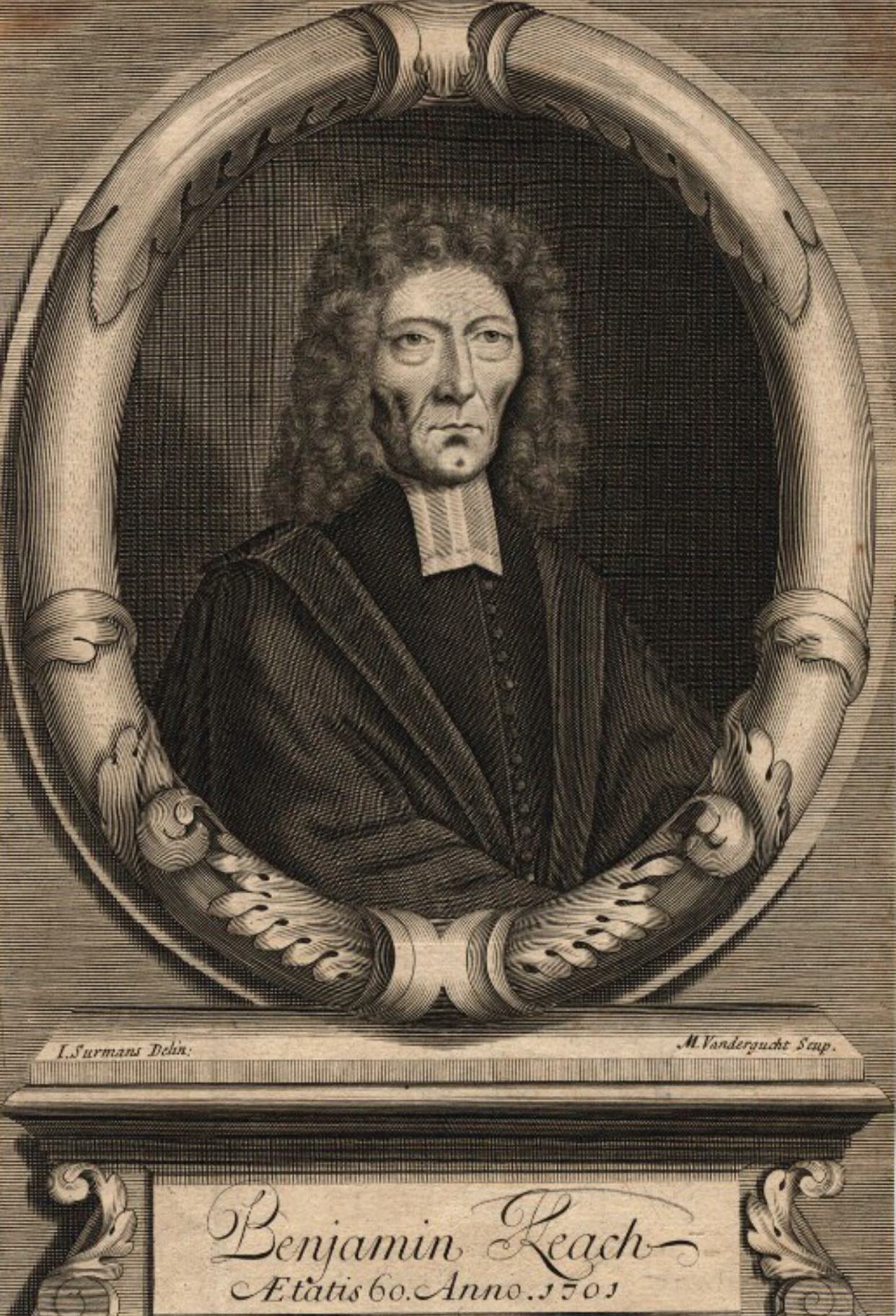
The article "The Church of God Compared to the Moon" by Benjamin Keach explores the theological analogy between the Church and the moon, emphasizing the source of the Church's light, which is Christ. Keach argues that just as the moon reflects the sun's light, the Church reflects the glory of Christ, the "Sun of Righteousness" (Malachi 4:2). He highlights that while the Church is called to shine brightly, she also experiences cycles of obscurity and remains imperfect, referencing 1 John 1:8 to illustrate the presence of sin within the Church. The practical significance of this comparison encourages believers to seek light and life solely from Christ and to reflect on both their own imperfections and the assurance that the Church, despite its struggles, will endure through all adversities, including opposition from enemies and darkness in the world.
Key Quotes
“The Church hath all her light from Christ the Sun of Righteousness Mal 4 2.”
“If we say we have no sin we deceive ourselves and the truth is not in us 1Jo 1 8.”
“The Church is under various states and changes...but is sometimes so obscured that she appears hardly visible.”
“The enemy may as soon change the ordinances of the Moon as make an utter end of God's Church.”
What does the Bible say about the Church of God?
The Bible describes the Church as receiving its light from Christ, likening it to the moon that reflects the sun's glory.
Malachi 4:2, Matthew 5:14
How do we know the Church is always present?
The Church, despite facing struggles, is always sustained by God's promise and presence.
Revelation 12:6, Matthew 16:18
Why is it important for Christians to reflect Christ's light?
Christians are called to reflect His light to illuminate the path to salvation for others.
Matthew 5:16, 1 John 1:8, Malachi 4:2
THE CHURCH OF GOD COMPARED TO THE MOON
"She is as fair as the Moon," Song 6:10.
THE Moon is called in Hebrew Lebanah, of her whiteness, and bright shining. The state of the Church, all expositors agree, is signified hereby.
The Church may in many respects be compared to the Moon.
SIMILE
I. Naturalists affirm, the Moon receiveth her light from the sun.
PARALLEL
I. The Church hath all her light from Christ, the Sun of Righteousness, Mal 4:2.
SIMILE
II. The Moon receiving light by the beams of the sun, she shines forth, and giveth light to the world.
PARALLEL
II. So the Church receiving light from Christ, she shines forth in brightness and glory. The sun gives light, but receives none; the Moon both gives light, and receives light: so Christ, as God, hath his light in himself; but as Mediator, hath his light from the Father, to communicate it to the Church, that the Church may give light to the world. "Ye are the light of the world," Mt 5:14.
SIMILE
III. The Moon giveth light to the world only in the night.
PARALLEL
III. So the Church gives her light forth to enlighten sinners, whilst the night of this world lasteth.
SIMILE
IV. The Moon, though very fair and bright, yet, as naturalists observe, hath her spots.
PARALLEL
IV. So the Church, though pure and holy, yet in herself is not without spots of sin. No saint is without blemishes. "If we say we have no sin, we deceive ourselves, and the truth is not in us," 1Jo 1:8.
SIMILE
V. The Moon hath her various aspects: sometimes she is in the full, and sometimes in the wane; sometimes she shines more glorious, and sometimes less; and yet still the same Moon. She doth not, saith an ancient writer, always show her light in her full orb: she sometimes so decreaseth, that there seemeth to us not to be any Moon; yet she is not then destitute of the sun-beams, though it seem otherwise to our sight.
PARALLEL
V. So the Church is under various states and changes. She doth not always shine as at full Moon, or send forth a full brightness, but is sometimes so obscured, that she appears hardly visible; she was forced into the wilderness, from the face of the dragon, and Romish beast, Re 12:6; yet it is certain, the Church is always in being. Posse putes nobis persuadere, eum esse ecclesiæ statum, ut obscurari nequeat, ut nil Persidia, nil Hostes, nilAntichristus valeat? Delere hi quidem ecclesiam nunquam possunt, sed in angustias compingere, et compellere in latebras possunt, saith Whitaker. Thinkest thou that thou canst persuade us, that the state of the Church is such that it cannot be obscured, so that the perfidiousness of enemies, and antichrist, can do nothing against it? they cannot indeed destroy the Church, but they can bring it into a narrower compass, and drive it into holes. The Church, saith Augustin, is like the moon, which sometimes shines wholly, being enlightened with the sun-beams, and sometimes is deprived of a great part of her light; so the Church shines sometimes most gloriously, and sometimes is so obscured that she hardly appears at all.
INFERENCES.
I. Hence we may learn to look, and earnestly expect to receive all our light as well as life from Christ, the light of the world, and earnestly pray with David, that he would lift up the light of his countenance upon us, Ps 4:6. That forasmuch as we have no light but what is communicated from him unto us, he would dart continually his glorious beams into our hearts, that we may indeed be as shining lights in this dark world, Mt 5:16.
II. This may also humble the most glittering saints, to consider that they cannot shine so bright in this world, but that their spots may be discernible to themselves and others, which may excite them to apply themselves daily to the Sun of Righteousness for cleansing, Mal 4:2.
III. To keep clear, and shine as much as possible, that the poor, benighted, dark world may obtain benefit by them, and confess it to the glory of God. "Let your light so shine," &c. Mt 5:16.
IV. Take comfort from hence, notwithstanding your various changes, ebbings, and flowings in this world, for that the enemy may as soon change the ordinances of the Moon, as make an utter end of God's Church, as you have heard.
V. What a dreadful doom will such be sure to have, that love darkness so, as that they do not only contemn, oppose, and endeavour to pull the Moon, viz., the Church, out of her orb; but so wicked are they, they slight and contemn the sun, from whence she receives all her shining brightness. Let such read, Job 5:14, "They meet with darkness in the day-time, and grope in the noon-day, as in the night:" "To whom is reserved the blackness of darkness for ever," except grace prevent by giving them repentance, 2Pe 2:17.

Comments
Your comment has been submitted and is awaiting moderation. Once approved, it will appear on this page.
Be the first to comment!