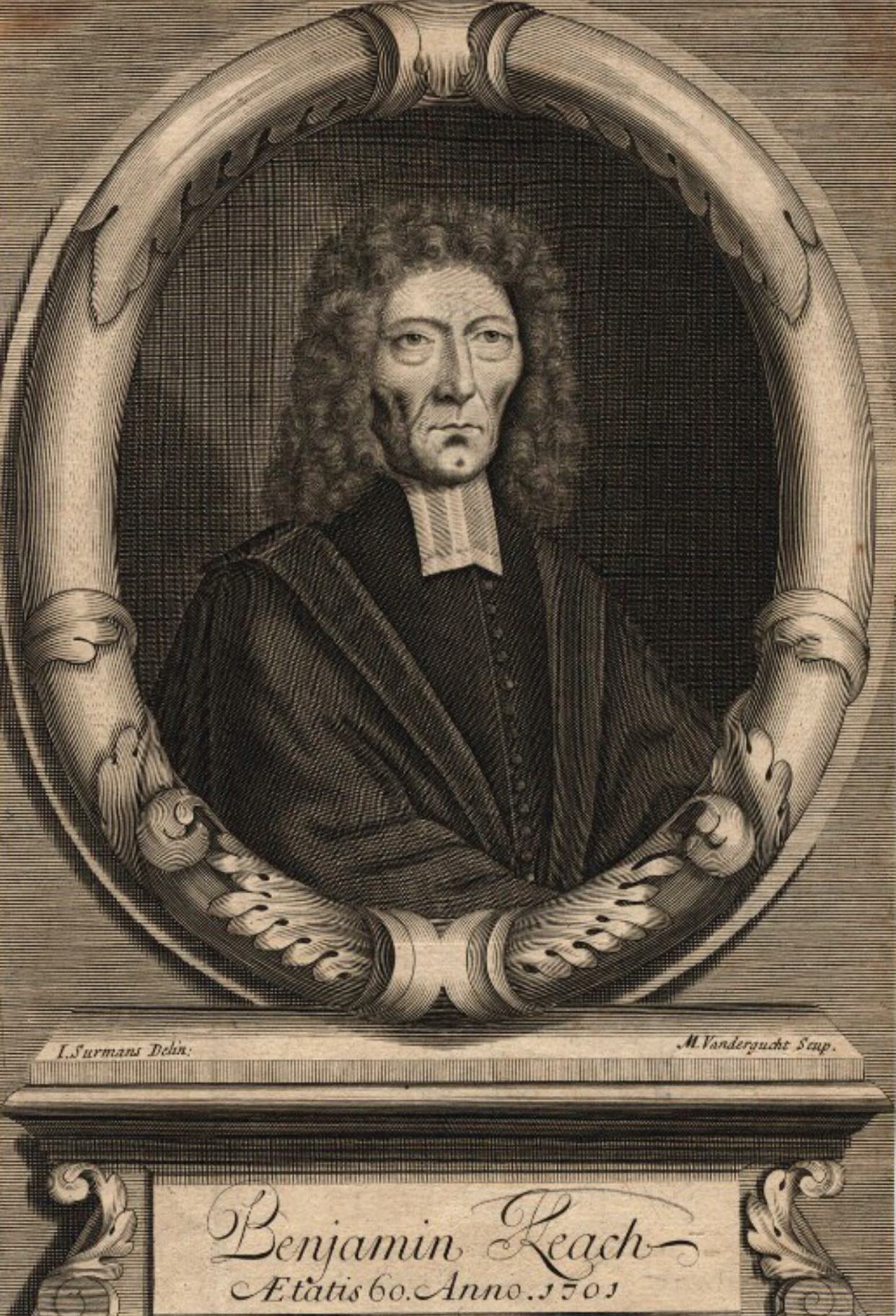
The article "Wicked Men Dead in Sin" by Benjamin Keach explores the doctrine of spiritual death as a consequence of sin, particularly focusing on the state of unconverted individuals. Keach argues that just as a physically dead person is devoid of life and activity, so too are individuals who are spiritually dead due to sin. He draws on scriptural references, notably Ephesians 2:1 (“And you hath he quickened, who were dead in trespasses and sins”) and John 5:25 (“the dead shall hear the voice of the Son of God”), to illustrate that spiritual death results in an utter inability to perform any good works or respond to God without divine intervention. The significance of this doctrine is profound, as it illustrates the need for the regenerating work of the Holy Spirit in bringing the spiritually dead to life in Christ, emphasizing the Reformed tenet of total depravity and the necessity of grace for salvation.
Key Quotes
“A Dead man is void of all sense; he sees not, feels not, hears not...so those who are Dead in Sin are senseless souls.”
“The carnal mind being expressly said to be enmity against God...there is in all wicked men a disability or impotency unto all spiritual things.”
“A Man that hath life in him breathes...So he that is spiritually alive breathes forth his soul in fervent desires to God.”
“Grace only...confers beauty upon the inward man or renders the soul amiable in God's sight.”
What does the Bible say about being dead in sin?
The Bible teaches that unconverted men are spiritually dead in their sins, lacking the life of God and being unable to perform any acts acceptable to Him.
Ephesians 2:1, Romans 8:7
How do we know total depravity is true?
Total depravity is affirmed in Scripture, showing that unregenerate men have lost all spiritual ability to act in a way that pleases God.
Romans 8:7, Ephesians 1:19-20
Why is understanding spiritual death important for Christians?
Understanding spiritual death highlights the serious consequences of sin and the necessity of God's grace for salvation.
Ephesians 2:1, John 5:25
WICKED MEN DEAD IN SIN
"The hour is coming, and now is, when the dead shall hear the voice of the Son of God, and they that hear shall live" Joh 5:25.
"And you hath he quickened, who were dead in trespasses and Sins," &c. Eph 2:1.
Unconverted men are Dead, spiritually Dead, they are as Dead men. Life is opposed to Death, which is either the privation of natural life, because of the separation of the soul from the body; or the privation of spiritual and heavenly life, because of the separation of the soul from God through Sin. And this is really true, in both respects, in a proper sense: yet we shall open the state of men Dead in Sin, by comparing this death with natural death, between which in some things there is a good parallel, and to which, in the judgment of divers worthy men, the Spirit of God doth allude, &c.
PARALLELS
I. A Dead man, one that is really Dead, is under a total privation of life; there is no life in him: so man by sin is totally under the privation of the spiritual life of God. Now the life of God consisteth in a principle of grace, which is called a seed! "The seed," speaking of a man quickened, "remains in him," 1Jo 3:9. This seed, or divine principle, is unto the soul, as the soul is to the body: but there is no soul, or seed of grace, no principle of spiritual life in an unregenerate man; and therefore really and truly Dead in a spiritual sense, as the body is Dead when the soul is separated from it. If there be any true and real spiritual life in an unconverted man, how can he be said to be Dead? for where there is not a total privation of natural life, a man cannot be said to be Dead naturally.
II, Dead, "the Dead shall hear," &c, This imports, man was once alive, spiritually alive, considering the subject of whom our Saviour speaks. Man before his fall, or the entrance of sin, was alive; death was threatened upon Adam's eating of the forbidden fruit: "In the day thou eatest thereof thou shalt surely die." The deprivation of the spiritual life of the soul, as well as the life of the body, was in the sanction of that law, "Thou shalt die the death." What life soever Adam had before he fell he lost it by his transgression; and in that very day he eat, he suffered a deprivation of the light of God's countenance and spiritual life of God in his soul. He lost that supernatural power of acting towards God spiritually, or Image of God that was in him; so that it was impossible for him to live any more to God, until quickened by a new principle of spiritual life. And hence unregenerate men are said to be Dead, &c.
III. A man that is Dead cannot move, act, or speak; all natural motions utterly cease; that is the effect of death: So unconverted men have lost all spiritual vital acts, that is, all acts and duties of holy obedience, acceptable unto God. There is in them a total defect and want of power for any such acts whatsoever, or else they are not Dead, cannot be said to be Dead; for when the soul departs, it leaves the body incapable of any kind of activity. All the natural power the body had, by means of the soul's union with it, is gone, upon the separation of the one from the other: so death falling upon the soul, or suffering a privation of the image of God, or spiritual life it had, all its internal power to act or live to God is gone, "The carnal mind" being expressly said to be "enmity against God," Ro 8:7. "An evil tree cannot bring forth good fruit." In short, there is in all wicked men, a disability or impotency unto all spiritual things, to be performed in a spiritual manner; and that it is impossible for them to act and do in a way acceptable to God, till quickened by the Holy Ghost.
IV. A Dead man is an unlovely object to look on: for it is life that puts a beauty and glory upon the body: so an unregenerate man is an unlovely object. It is grace only, or that supernatural principle of spiritual life, that confers beauty upon the inward man, or renders the soul amiable in God's sight.
V. A Dead man is void of all sense, he sees not, feels not, hears not: if you cast fire in his face, it is all one to him; or if you run a sword into his heart, he will not complain; lay mountains of lead upon him, he feels them not, &c., so those who are Dead in Sin, are senseless souls. Though the anger of God is kindled against them, and his wrath burns never so hot, they regard it not: nay, though you throw as it were hell fire into their very faces, yet they fear it not; though there are upon them mountains of Sin, and horrid guilt, yet they feel them not.
VI. A Dead Man cannot be raised to life again, without the mighty power of God: so the Dead in Sin cannot be raised to life, without the mighty power of God's Spirit. Christ, who raised dead Lazarus out of the grave, must quicken such who are dead in Sins and trespasses. The Ephesians are said to "believe according to the working of God's mighty power, which he wrought in Christ, when he raised him from the dead," Eph 1:19-20,
VII. A Dead man is loathsome, and fit for nothing but to be put under ground, or buried out of sight: so the wicked are loathsome in God's sight, and unless the sooner quickened, they will be good for nothing but to be cast into hell; some Wicked Men are fit to be buried, or thrown into that grave.
Object. It is by some objected, that there is a wide difference between death natural and spiritual: in death natural, the soul itself is utterly removed and taken away from the body, but in death spiritual it continues: A man is still, notwithstanding this spiritual death, endowed with an understanding, will, and affections, by which these men are enabled to perform their duties to God.
Answ. 1. In life spiritual, the soul is unto the principle of it, as the body is unto the soul in life natural: for in life natural, the soul is the quickening principle, and the body is the principle quickened; when the soul departs, it leaves the body with all its own natural properties, but utterly deprived of them which it had by virtue of its union with the soul: so in life spiritual, the soul is not, in and by its essential properties, the quickening principle of it, but it is the principle that is quickened: and when the quickening principle of spiritual life departs, it leaves the soul with all its natural properties entire as to their essence, though mortally corrupted, which is equivalent with death natural: but of all the power and abilities, which it had by virtue of its union with a quickening principle of spiritual life, it is deprived. And to deny there is such a quickening principle of life spiritual, super-added unto us by the grace of God, distinct and separate from the natural faculties of the soul, is upon the matter to renounce the whole Gospel; it is all one as to deny, that Adam was created in the image of God, which he lost; or that sinners are spiritually dead in sins and trespasses, and that we are renewed into the image of God by Jesus Christ.
2. Whatsoever the soul acts in spiritual things by its understanding, will, affections, &c. as deprived of, or not quickened by this principle of spiritual life, it doth it naturally, not spiritually, &c.
DISPARITY
A Man naturally Dead is altogether incapable to make any opposition against the supernatural power of God, put forth in order to quicken him, or raise him to life, he can no way, directly or indirectly oppose it. But a Man who is dead, spiritually Dead in Sin, when God in a gracious way comes to use means to quicken him, or raise him to a state of life, he makes opposition, nay, and doth greatly resist and strive against the good motions of the Spirit, and working of God, in order to his vivification. So that the power of God is more manifestly seen in the quickening of one spiritually Dead, than in quickening one dead naturally.
INFERENCES
I. From hence we may perceive the evil and destructive nature of Sin. It is spiritually the death and ruin of the soul, and will, without the infinite mercy of God. destroy it for ever.
II. It shows also particularly, what the nature of Adam's Sin was, and what it did incur upon his posterity, viz., not only natural death, but spiritual death likewise.
III. It sets forth the riches of God's grace in the second Adam, that quickening Spirit, in raising poor Dead souls to life again.
IV. Here is much comfort for all sincere Christians, who are raised from death to life by Christ, in that there is so great a difference between the state of Adam in innocency, and our standing in Christ, viz., the principle of life in Adam was wholly and entirely in himself. It was the effect of God's good will and power, it is true, but it was left to grow on no other root but what was in Man himself; it was wholly implanted in his nature, and therein did its spring lie. But in the life whereunto we are renewed by Christ Jesus, the fountain and principle of it is not in ourselves, but in him, as a common root or head. "He is our life." "Because I live, ye shall live also." He is the spring and fountain of it. He by covenant also undertook to maintain life in us; he doth renew and increase this life in us, so that it is impossible that we should spiritually die for ever.
V. A Man also from hence may easily perceive, whether he be made alive, or quickened by the Spirit or no. (1.) A Man that hath life in him, breathes. So he that is spiritually alive, breathes forth his soul in fervent desires to God. Prayer, as some have observed, being the breath of the new creature. Hence God, when he would convince Ananias that Saul was regenerated, said, "Behold, he prayeth." (2.) There is in him heat, spiritual heat and zeal Godward. (3.) He hath his spiritual senses; he can see, feel, hear, &c. (4.) It is a full evidence a Man is alive, when he rises up, and walks. So a spiritual Man rises up, and walks in newness of life. (5.) A Man quickened hath his beauty restored again. So a Man spiritually quickened, hath the image of God restored; he is holy, heavenly, &c.

Comments
Your comment has been submitted and is awaiting moderation. Once approved, it will appear on this page.
Be the first to comment!