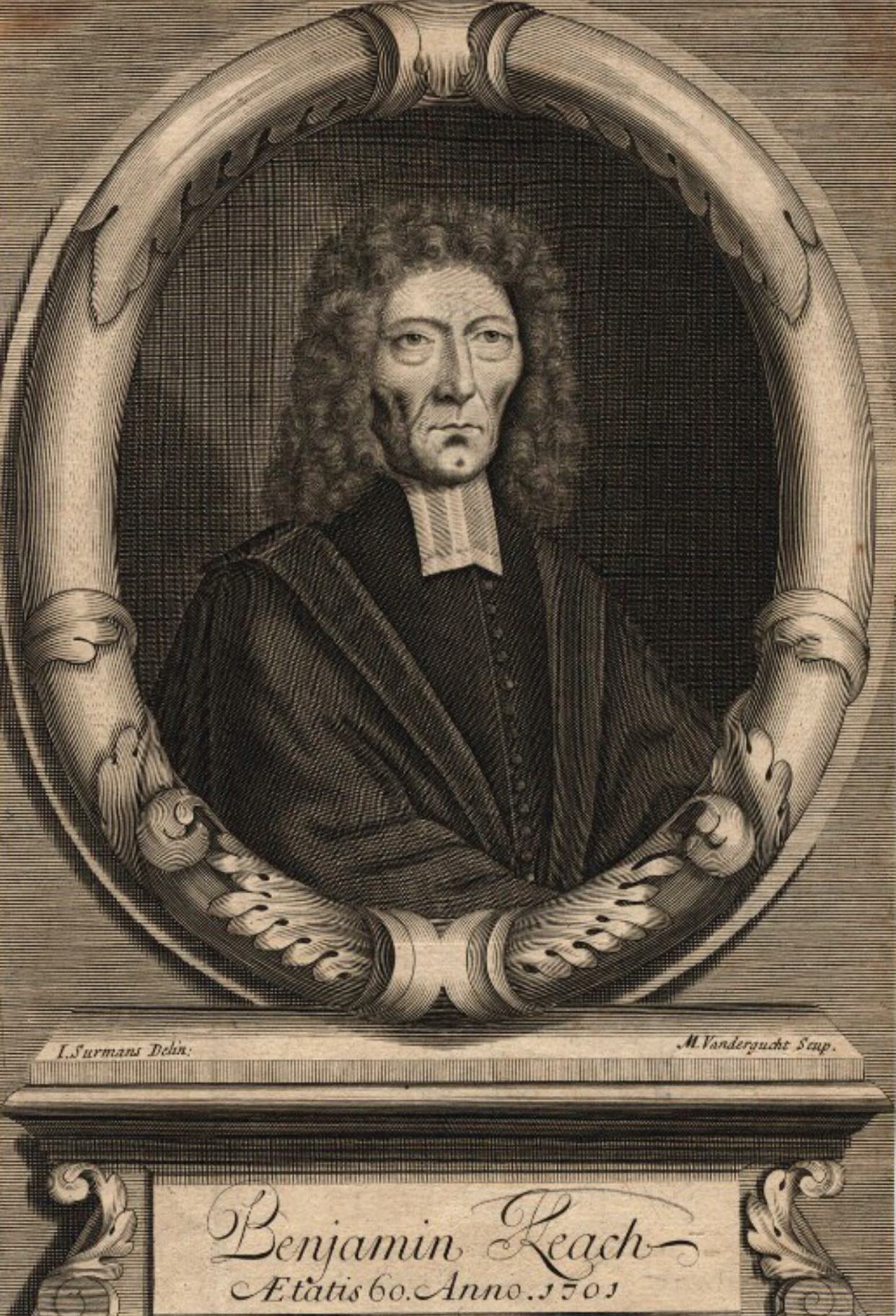
In "Wicked Men Compared to Foxes," Benjamin Keach explores the theological implications of labeling wicked men as "foxes," based primarily on Christ's reference to Herod in Luke 13:32. Keach argues that just as foxes are known for their craftiness, deceit, and cruelty, so too are wicked persecutors who seek to undermine the people of God. He draws upon various Scripture references, such as Matthew 2:7-8, to illustrate how malevolent leaders often mask their true intentions with feigned benevolence. The significance of this doctrine lies in its call for vigilance within the church against such deceptive and harmful figures, urging believers to recognize and resist both the subtlety and the cruelty of persecution in any form.
Key Quotes
“A wicked and subtle persecutor is and may be fitly compared to a Fox.”
“Many tyrants and cursed persecutors have pretended much kindness to the saints when they have in their hearts utterly designed to destroy them.”
“Therefore let us pray that these Foxes may be taken like as the Foxes that one way or other their craft and sublety may be discovered.”
“Foxes haunt not a vineyard or flock of sheep more than these do the Church.”
What does the Bible say about wickedness and deception?
The Bible frequently warns against wickedness and deceit, highlighting the treachery of figures like Herod, who is compared to a fox.
Luke 13:32, Matthew 2:7-8
How do we know that God's judgment is true?
God's judgment is evident through His consistent vindication of the righteous and punishment of the wicked, as illustrated by historical examples.
Exodus 1:10, Matthew 2:16
Why is understanding the nature of wicked men important for Christians?
Understanding the nature of wicked men helps Christians recognize dangers and remain vigilant against deceit and persecution.
Matthew 7:15
WICKED MEN COMPARED TO FOXES
"Go tell that Fox" Lu 13:32.
THE Lord Jesus calls Herod a Fox, by reason of his treacherous plots and craft, whereby he privately contrived to entrap him. See Erasmus, in his paraphrase upon the place: "Go and tell that Fox," who confides in human craft and believes that he can do any thing against the majesty and counsel of God, &c.
A Fox is called in Hebrew Schual, and in Chaldee, Thual; and therefore, Ps 61., where the Hebrew Schuatim, there the Chaldee translateth it, Thealaia: the Arabian call him Thaleb, and Avicen calleth a Fox sometimes Chabel, and also Chalchail; the Greek Septuagint, Alopehon, and vulgarly Alopex, and Alopon; the Latin, Vulpes; the French, Reynard, &c.
The epithets expressing the nature of the Fox, among writers, are these, viz., crafty, wary, deceitful, stinking, strong-smelling, quick-smelling, tailed, warlike, or contentious, rough; the Grecians, fiery-coloured, subtle for slaughter.
A wicked and subtle persecutor is, and may be fitly compared to a Fox, which we shall briefly open in the following parallel.
METAPHOR
I. A Fox is a crafty and subtle creature, which appears in these respects following: (1.) In that he claps his tail between his legs, when he is pursued. (2.) When he perceiveth he cannot escape he urines on his tail; and whisks it on the dogs, which hath an exceeding strong scent, insomuch that the dogs not enduring the scent, are forced for a while to desist. (3.) He will often, when he is in danger, and no avoiding of it, bite the dogs on their hinder legs, for that is the tenderest part about them. (4.) Because the beast called the urchin is too strong for him, he taketh him by craft; for when he castest himself down upon the ground he leapeth upon his belly, and destroyeth him. (5.) The Fox, naturalists observe, hath a subtle way to take fish: the shore, he dippeth his tail in the water, and immediately entangle themselves in it, and so are taken. (6.) By craft, as Gesner observes, he gets the badger's den for his own use; and by laying in the mouth of the wolf's den, an herb called sea-onion, which is contrary to the nature of wolves, he affrights away that creature, so that he will not come near it. (7.) He is often troubled with wasps in the summer-time, but useth this wile to destroy them. He hideth himself, but layeth his tail out; the wasps fly to his tail, and when there are abundance in it, he runneth to the wall, or to some tree, and striketh his tail against the tree, and rubbeth it against the ground, and so he destroyeth all of them. (8.) If he wanteth food, and knows not where to get it, he lieth upon the ground, upon his back, with his legs stretched abroad, and so feigneth himself dead; the birds seeing him lie in this manner, light on him, thinking he is dead; and when they are upon him, he taketh them, and destroyeth them.
PARALLEL.
I. So some Wicked persecutors are very crafty and subtil, as appeared in Pharaoh king of Egypt, and Herod. What policy did the first use, to spoil and utterly destroy the Israelites! "Come on, saith he, let us deal wisely with them," &c. Many tyrants, and cursed persecutors, have pretended much kindness to the saints, when they have in their hearts utterly designed to destroy them. What said Herod to the wise men? "Go, search diligently for the young Child; and when ye have found him, bring me word again, that I may come and worship him also," Mt 2:7-8, which was nothing else but a crafty pretence, for his purpose was to kill him. What policy did Julian the apostate use to destroy the poor Christians! Also what devices have the Romanists invested, to spoil and utterly ruin the Protestants from time to time! contriving hellish plots, and then casting them upon such whose souls hate such detestable actions! It hath been the common practice of these crafty persecutors, to put the wolve's skins upon these harmless sheep and lambs of Christ, and then set the dogs upon them, to hurt and worry them, &c. How they have charged them with treason, sedition, and rebellion, from time to time, on purpose to render them odious to the common, and more unwary people.
METAPHOR
II. The Fox is not only crafty but cruel and blood-thirsty, a great destroyer of innocent creatures; he will seize upon hares, conies, hens, geese, lambs, &c., and make a great spoil of them.
PARALLEL
II. So wicked papists, and other enemies of God's people, are not only subtle, but very cruel and blood-thirsty. Herod was called a Fox, partly without doubt upon this account. What barbarous slaughter did he make in the town of Bethlehem, of poor, harmless, and innocent babes, that so he might craftily cut off the holy Child Jesus among the rest! And what cruel, bloody, as well as crafty, Foxes have the Papists been! how many thousands, nay, millions of souls, have they destroyed, both of Heathens in America, and Christian Protestants in most kingdoms of Europe! See Foxe's Acts and Monuments. Sir Sam. Horeland's History, and Mr. Clark's Examples, &c.
METAPHOR
III. The Fox never goes straight forward, but tortuosis incedit anfractibus, or by crooked windings.
PARALLEL
III. So the Romish Foxes never walk in the straight path of the Gospel, nor follow the even and straight rules thereof, but in crooked windings, and by-paths of error and human traditions, not leading to God by Christ, but by saints and angels; nor to his merits only for satisfaction, but to the sacrifice of the mass, pardons of their own, and to purgatory, &c., using all deceitfulness and error to compass their own cursed ends.
METAPHOR
IV. The time, especially when the Fox invades and seizeth his prey, is in the night, when all are asleep, both shepherd and sheep.
PARALLEL
IV. So in like manner do these Foxes break in upon a people, when they are secure; like the envious man, that sowed tares among the good seed, they watch the fittest opportunities to spoil God's heritage.
METAPHOR
V. Foxes are a stinking sort of creatures, and in the day-time hide themselves in their holes, and seldom look out.
PARALLEL
V. So these Romish Foxes are a filthy and stinking sort of vermin in their lives and conversations, guilty of all manner of abominable lusts, and horrid pollution; and whilst the light of the Gospel clearly and freely shines in a kingdom or nation, they hide themselves; but when it begins to be even-tide with a people, then they, as at this day, begin to look out of their holes.
METAPHOR
VI. Foxes are said to do much mischief to vineyards, as Franzius and others observe.
PARALLEL
VI. So wicked persecutors and seducers do great hurt and mischief to Christ's vineyard, "Take us the Foxes, the little Foxes that spoil the vines," &c., Song 2:15.
METAPHOR
VII. The Fox, notwithstanding all his craft, is often caught and made a spoil of, being much hated by all, for the mischief and hurt he doth.
PARALLEL
VII. So the Romish Foxes and subtle enemies of the Lord's heritage, notwithstanding all their craft and hellish policy, are often taken in the snare, and their plots discovered, and they hanged for their treason and cursed contrivances, as former and latter times shew.
INFERENCES.
I. This may teach us to take heed of two sorts of Men. First, of a flattering and fawning persecutor. Secondly, of a cunning and subtle seducer; for Foxes haunt not a vineyard, or flock of sheep, more than these do the Church. (1.) By corrupting the purity of her doctrine. (2.) Obscuring the simplicity of worship. (3.) Overturning the beauty of order, and bringing in confusion, spoiling her band of union, by extinguishing the vigour and life of Christianity. (4.) By destroying her children, and spoiling their goods, and as much as in them lies ruining their souls.
II. Therefore let us pray that these Foxes may be taken, like as the Foxes, that one way or other their craft and sublety may be discovered, and they prevented, and hindered from doing more hurt to God's Church.

Comments
Your comment has been submitted and is awaiting moderation. Once approved, it will appear on this page.
Be the first to comment!