Bootstrap
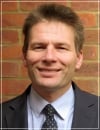
Paul Hayden

Come to Mt Zion, don't tarry at Mt Sinai

Hebrews 12:22-24
Paul Hayden May, 18 2025 Video & Audio
0 Comments
Paul Hayden
Paul Hayden May, 18 2025
But ye are come unto mount Sion, and unto the city of the living God, the heavenly Jerusalem, and to an innumerable company of angels, To the general assembly and church of the firstborn, which are written in heaven, and to God the Judge of all, and to the spirits of just men made perfect, And to Jesus the mediator of the new covenant, and to the blood of sprinkling, that speaketh better things than that of Abel. (Hebrews 12:22-24)

The sermon by Paul Hayden titled "Come to Mt Zion, don't tarry at Mt Sinai" centers on the theological distinction between Mount Sinai and Mount Zion as described in Hebrews 12:22-24. Hayden argues that Mount Sinai represents law and condemnation, a place highlighting the holiness of God and humanity's inability to reach Him through works (Galatians 3:24). In contrast, Mount Zion signifies grace and redemption, where believers are invited to experience mercy through Jesus Christ, the mediator of the new covenant, whose blood speaks of forgiveness rather than punishment (Hebrews 12:24). This sermon emphasizes the significance of understanding one's position in relation to both mountains, where Zion symbolizes hope, transformation, and the fellowship that God desires with His people, highlighting core Reformed doctrines of grace and election (Ephesians 2:4-5).

Key Quotes

“The law could only condemn... by the works of the law shall no man be justified.”

“But you see, in our text it says this, but ye have come unto Mount Zion. There's a difference, you see. There's another mountain.”

“Zion, this city of God is no longer to be given over to rebellion... but there to be the very seat where God dwells.”

“There is mercy in Christ... Come unto me, all ye that labour and are heavy laden, and I will give you rest.”

What does the Bible say about Mount Sinai and Mount Zion?

The Bible contrasts Mount Sinai, representing the law and condemnation, with Mount Zion, which symbolizes grace and redemption through Christ.

In Hebrews 12:22-24, the writer contrasts Mount Sinai and Mount Zion to illustrate the difference between the law and the gospel. Mount Sinai represents the law given to Moses, highlighting God's holiness and mankind's failure to meet its standards, leading to condemnation. In contrast, Mount Zion represents the grace of Jesus Christ, where believers come to experience mercy, forgiveness, and the presence of God through the mediator of the new covenant.

Hebrews 12:22-24, Galatians 3:24

How do we know that God's grace is sufficient for sinners?

God's grace is sufficient as demonstrated by His choice of Zion as His dwelling place for redeemed sinners.

The sermon emphasizes that despite the rebellion represented by Zion, God has chosen it to be His habitation. This exemplifies His grace that reaches out to those who are unworthy. In Romans 5:20, we read that where sin abounded, grace did much more abound. This truth underlines that God's grace can transform the lives of those in spiritual rebellion, leading them to seek Him and find mercy. The example of the lepers illustrates that Jesus healed even the most marginalized, showing that His grace is indeed sufficient for sinners.

Romans 5:20, Psalm 132:13-14

Why is the concept of a mediator important in Christianity?

The mediator, Jesus Christ, is essential as He bridges the gap between a holy God and sinful mankind, offering redemption.

The concept of a mediator is crucial in Christianity as it emphasizes the need for someone to represent humanity before God due to the separation caused by sin. Hebrews 12:24 describes Jesus as the mediator of the new covenant who brings believers into a relationship with God through His sacrificial death. Unlike the law given at Mount Sinai, which could only condemn, the new covenant, through Christ, provides forgiveness and communion with God. This mediator not only fulfills the demands of the law but also secures eternal life for those who place their faith in Him.

Hebrews 12:24, 1 Timothy 2:5

Sermon Transcript

Auto-generated transcript • May contain errors

100%
Let us turn your prayerful attention
to a text you will find in Hebrews chapter 12 and reading verses
22, 23, and 24. Hebrews 12 and verses 22 to 24.
Here, the writer to the Hebrews is making a contrast between two mountains, Mount
Sinai, where the law was given, and Mount Zion, which is where
David made his royal city and the Ark came. Hebrews 12, verse
23, but you come unto Mount Zion, in contrast to coming to Mount
Sinai, but you come unto Mount Zion, and unto the city of the
living God, the heavenly Jerusalem, to an innumerable company of
angels, to the general assembly and church of the firstborn,
which are written in heaven, and to God, the judge of all,
and to the spirits of just men made perfect, and to Jesus, the
mediator of the new covenant, and to the blood of sprinkling,
that speaketh better things than that of Abel. Hebrews 12, verses 22 to 24. Those of you who were here this
morning will know that we looked particularly at the meaning of
the word Zion and the history of the stronghold that became
called Zion. It's a word that is used very
much in the in the word of God. But the first time we read about
it was when David conquered when he became king. He conquered
the stronghold that had been of the Jebusites that had been
in Jerusalem. It had been a stronghold for
more than 400 years since Joshua had entered the land. And it
was still defiant of Israel and Israel's king. And the Lord has
seen fit to use Zion, this stronghold, as a picture of his grace and
mercy. Because it was a place, you see,
that was a bastion of rebellion in Israel. A place where the
enemy was living. And yet, David, we read, if we
look at that precious text in in 2 Samuel 5 verse 7, it says,
nevertheless, David took the stronghold of Zion and the same
is the city of David. So we see there that in this
imagery of David being the king, the anointed king, this is what
he does. He overcomes and takes Zion,
but he doesn't do to Zion what Joshua had done to Jericho. You
see, when they came to Jericho, the walls were knocked down,
weren't they? And the place was burned with
fire and ruined, and it was left derelict, and it was said that
no man should build it. It was a dereliction, it was
a destruction. But you see, when we look at
what David did to Zion, it was very different. It didn't destroy
Zion, but what he did, rooted out all that was wrong, all the
enemy, the resistance, and it became the very seat of the royal
palace, the very city of David. And how this is a picture of
how God works through the gospel to change the heart, renew the
will, and turn the feet to Zion's hill, so that one that was once
an enemy of God, you see, the Jebusite, they were to be put
down. They weren't to carry on reigning
in Zion. They had to be put down, of course.
But we know, you see, in the experience of God's people, that
although they were subdued, yet they were not completely extinguished.
If we think of that spiritually, we have still the old man. You
see, the Jebusites are picturing the old man in Zion. and that old man is to be killed,
it's not to be done a deal with, it's to be put down, the old
man, the pride, the lust, the pride of life, that is to be
destroyed, that rebellion against the king, and there is to be
a new heart given. And God has seen fit to use this
word Zion as a picture of that, a picture of this renewing, of
a stronghold that was once a stronghold of Satan, was once used, you
see, to be against God's people, against the king, in rebellion
against the king, against the rightful rule of the king of
David. They were against it. And yet
God, you see, was going to conquer them. And that's what God does.
in the hearts of all his people. By the grace of God, he changes
the heart. And instead of them being completely
burned with fire and ruined and left desolate, which is what
they deserve because of their sin, yet they're not. They're
renewed by the renewing of his grace. There is that grace given. There is a changing of heart.
So the heart that once was in rebellion against God, we mentioned,
you see, that when David came to fight Jerusalem, to fight
these people, they mocked him. They say, except thou take away
the blind and the lame, thou shalt not come in hither, thinking
David cannot come in hither. They said that even if they had
blind and lame soldiers standing on the walls, they still wouldn't
be able to beat them. That's how impregnable they were,
how impossible it was to defeat them. Nevertheless, David took
the strongholds of Zion. A picture of our Lord and Saviour,
Jesus Christ, that King who comes to conquer, not by might, nor
by power, but by my Spirit. And you see, we read that elsewhere
in 2 Corinthians 10, that beautiful word, 2 Corinthians 10, verse
5, or verse 4 says, For the weapons of our warfare are not carnal,
but mighty through God. to the pulling down of strongholds. What a stronghold Zion was, a
stronghold of the enemy. And it's God's work to pull down
that stronghold, to take out those Jebusites that still lived
in there in rebellion against Israel. And yet then that whole
stronghold becomes renewed. So it becomes a place where David's
kingdom is set up, the kingdom of Jesus Christ, yet I have set
my king upon my holy hill of Zion. Casting down imaginations
and every high thing that exhorted itself against the knowledge
of God and bringing into captivity every thought to the obedience
of Christ. This is what God does as he conquers
his people. He doesn't go in like he did
with Jericho and just smash the place to desolation. He does
that with the old man has to be put to death, crucify the
old man. But you see, in Zion, we have
a renewing. We have a renewing of grace.
We have the life of God given so that there is a new man. that
now hungers and thirsts after righteousness. We have the very
ark coming to dwell in the city of David, the presence of Christ. And you see in the New Testament,
this is all so picked up and showing how this is so portraying
Christ and his reign. And indeed, the name Zion gets
used so many times of the people of God, his Zion. And we took
as our text, There's a beautiful text this morning from Psalm
132. For the Lord hath chosen Zion,
this city of rebellion, this city that would not have this
man to reign over them. The Lord hath chosen Zion, hath
desired it for his habitation. This is my rest forever. Here
will I dwell, for I have desired it. He's going to dwell in Zion. In the Hebrews, we have, what
we've read in the Hebrews, we have this contrast made between
two mountains. And the two mountains being contrasted
is, first of all, Mount Sinai. Well, Mount Sinai was the mount
that they came to, if you remember Moses, when he'd led the children
of Israel out of Egyptian slavery, they'd come through the Red Sea,
they came into the desert. In the first year, they came
to Mount Sinai. And here you see, God showed
them the holiness of God. He gave them those 10 commandments
written on those tablets of stone. He showed them the holiness of
God. There was thunderings, there
was lightnings, and if even a beast should touch the mount, it should
be shot through with a dart. There was such a realization
of the distance that there was between the holiness of God and
their own unholiness. Sinai was this mount that taught
them that God is holy and that they were unholy. But you see, we're saying, but
you'll not come to that mount, you'll come to a different mount.
Yes, Mount Sinai was necessary. It's really necessary. Paul describes
it in Galatians. Paul describes in Galatians how
necessary this mountain was. In Galatians 3 verse 24 it says,
wherefore the law, that's what was given at Mount Sinai, was
our schoolmaster to bring us to Christ. The holiness of God,
the distance there is between a holy God and us as unholy creatures
was made manifest at Sinai. But the law could only condemn. If you look at it in, I can't
have time perhaps to look at it now, but if you read in Leviticus
13, there was a whole chapter is given over to leprosy and
how to diagnose the priest's job was to diagnose whether somebody's
leprosy was really leprosy or not and they were to go through
various tests to discern whether that person had leprosy and when
they came to the conclusion that that person had leprosy what
did the law say? Let me just briefly look at it
it's so precious well it's very solemn really Leviticus chapter
13. If you look in Leviticus chapter
13, And then verse 45, we're told this, and the leper in whom
the plague is, his clothes shall be rent, his head bare, and he
shall put a covering over his upper lip, and he shall cry,
unclean, unclean. All the days wherein the plague
shall be in him, he shall be defiled, he is unclean, he shall
dwell alone, without the camp shall his habitation be. That's
the end. That's what you do if you have
leprosy. There was nothing in the law
to change it. The law, as loud as thunder cries,
the soul that sins against me dies. You've got leprosy, you
go out of the camp. And in a medical way, in a disease
management way, it's very sensible. you've got somebody that's diseased,
you isolate them. You don't let everybody else
get the disease. It's very, very sensible. The law is very sensible. But if you're the one with the
disease and you're outside the camp and you have to go around
crying unclean, unclean, you do that all your life and you're
still unclean. You're not cleansed. You might
say, but there was, in the next chapter it says what they had
to do if they were cleansed. That's true, but if it, They
did that if they were cleansed. It didn't make them cleansed.
This was just to show that they had been cleansed if the Lord
had graciously done that for them, but there was no cure. And that is the law. If you are
trying to get to right with God through Mount Sinai, through
the law, the law will only condemn you. That's all it can do, and
it's just, it's right. Because we're sinners, it condemns
us and he says, you've come short and all you can do is cry out
unclean and be outside the camp forever. But you see, in our text it says
this, but ye have come unto Mount Zion. There's a difference, you
see. There's another mountain. And
this mount, you see, was a mountain of the grace of Jesus Christ.
This rebellious, rebellious city, this place that was in rebellion
against God, was going to be going to be brought into fellowship
with God. There was going to be mercy.
There was going to be grace. You come on to Mount Zion. You
come to obtain mercy. You see, if you try to climb
up to God by your own righteousness, as Saul of Tarsus did, he thought
that he barely did God's service, but he didn't understand the
holiness of the law. And when the holiness of the
law became apparent to him, he realized that he had failed. He couldn't keep the law. His
idea of being as far as the law was blameless was not true. He was a sinner. He needed mercy. And therefore, you see, this
is the great theme and the important thing. But you come unto Mount
Zion. You see, all the time we're coming
to Mount Sinai and trying to keep the law, trying to gain
acceptance by the works of the law. Romans says, by the works
of the law shall no man be justified. Nobody. Not you, not me, not
anybody. By the works of the law is nobody
justified. And that's why the writer to
the Hebrews wants to take us away from standing too long at
Sinai. It's important to realize the
law is holy and God is holy, but don't stand there too long,
it will just destroy you. You need to come and find a place
of mercy. I said to you that these lepers,
you see, they were to be outside the camp. Who was it that suffered
outside the camp? It was our Lord and Savior, Jesus
Christ. You see, when he was on the earth,
He didn't just say to lepers, just stand over there and cry
out, unclean, unclean, unclean. He didn't. He healed the lepers. Leprosy in the Bible is often
a picture of sin and how God can heal. And you see, but God
was able to reverse leprosy just as he was able to pronounce forgiveness
for sins. He was able to reverse leprosy. He was able to heal the lepers.
And how did he do that? You see, because he went outside
the camp himself. He went in their place and suffered
for them to bring them back to God so that they could come into
that city of David, that kingdom, to come under a new kingship.
You see what happened when David took the stronghold of Zion. He put a new leadership there.
There was a totally new leadership. If we think of the spiritual
analogy, there may be that there was a few Jebusites still hiding,
as it were, in the corners, perhaps, of that place. But they weren't
in control. They weren't in the rulership
position. And you see, that's what we read
of in Romans 6. Verse 6 says this, knowing this,
that our old man is crucified with him, that the body of sin
might be destroyed. You see, the only way forward
is to destroy the old man, not to pamper it, not to encourage
it, not to carry on with it, but to destroy it, to destroy
the works of Satan. And knowing this, that our old
man is crucified with him, that the body of sin might be destroyed,
that henceforth we should not serve sin. This, this, this,
this Zion, this city of God is no longer to be given over to,
to rebellion and to, to spend their lives mocking God. But
there to be the very seat where God dwells, where God has communing
with his people. Oh, he didn't have communion
with them, really, at Sinai, did he? They said, don't talk
to us. It's too, it is too terrifying. Speak to Moses, but don't speak
to us. But we have come to a different
mountain. Knowing this, that our old man
is crucified with him, that's in Romans 6, verse 6, but in
Romans 6, verse 14, we read this, for sin shall not have dominion
over you. Not have dominion over you. You
see, the Jebusites were not to have dominion in Zion anymore. They were to be put down. They were not to have the ascendancy.
You might say, well, why weren't they totally extinguished? Well, read Romans 7, and you'll
see that there's an ongoing flesh lusting against the spirit and
the spirit against the flesh and the one is contrary to the
other but let not sin therefore reign in your members. You see
there will be a time when all the Jebusites ultimately will
be gone but that will be a new Jerusalem presented imperfect
as a bride adorned for her husband. There is coming a day when the
Jebusite will not be in the land anymore. But here below you see
we're in a warfare. And yet the king has conquered. Zion, the king is still on Zion's
throne. And the enemy is to be pushed
down. Well, if we look then at that,
what we have here, but ye come unto Mount Zion, unto the city
of the living God, the heavenly Jerusalem. You see, he's building
on the natural picture of Jerusalem being the center of worship for
Israel in David's time and how the city of David was the place
where the ark was. David brought the ark into the
very stronghold and the bastion of Satan beforehand. And so when God's people are
brought, translated from darkness, you see, we have that in, let
me just quote that from Ephesians. Ephesians 2, we read those words. And you hath he quickened who
were dead in trespasses and in sins. Wherein in time past you
walked according to the course of this world, according to the
prince of the power of the air, the spirit that now worketh in
the children of disobedience, among whom also we all had our
conversation in time past, in the lusts of our flesh, fulfilling
the desires of the flesh and of the mind, and were by nature
the children of wrath even as others. We were a bastion of
Satan, a bastion doing against the God that rules the skies.
But as we looked at this morning, for the Lord hath chosen Zion.
He hath desired it for his habitation. And you see, he desires his people,
that they might become his people, that they may be translated from
that kingdom, which is destined for destruction. You see, Jericho,
the people of Jericho, apart from Rahab, who obtained mercy,
all the rest of them were killed. They were ruined. They were gone.
Jericho was destroyed. And that's the just end. And yet, you see, in wrath, remember
mercy. And so, God's people, the plan
of salvation is the remnant. There will be a remnant that
is saved according to the election of grace. According to this purpose
of God, the Lord has chosen Zion. He has desired it for his habitation. This is my rest forever. I will
dwell, for I have desired it. This is what the Lord Jesus does
for his people and he's used this picture of Zion, the city
of God, a new Jerusalem, a people that were far off but have been
brought nigh, who were enemies and now they become those who
hunger and thirst after righteousness. Do you know this in your heart?
Do you know something of the translation of God? bringing
you from the kingdom of Satan, the kingdom of loving this world
and the things of it, the lust, the prompt, the pride of life,
to being brought into desiring. Jesus is a humble way, a humble
way. Humble yourselves therefore under
the mighty hand of God, that he may exhort you in due season.
But ye are come unto Mount Zion, unto the city of the living God. the living God. And later on
it talks to Jesus, the mediator of the new covenant, the old
covenant as it were given at Mount Sinai, do this and live.
But they couldn't. And we can't. We cannot keep
the law. Sin is mixed with all that we
do. So all we can do as far as the law concerned is to put a
hand over a face and cry unclean, unclean. And if we do that all
our lives, we still remain unclean. unless the Lord graciously has
mercy on us. So don't spend your life at Mount
Sinai. Don't spend your life there because
there is no hope there. And as we read in Galatians,
the Lord is our schoolmaster. What does a schoolmaster do?
He teaches the children what is the right way and what is
the wrong way. And the Lord is saying, The holiness of God is,
God is just and right and honourable, but there's no mercy. There's
no, in the law, it doesn't know any mercy. But the Lord Jesus
Christ is that one that kept the law. The one that said those
beautiful words, for the Lord has chosen Zion, and he chose
Zion. And he paid for Zion. He stood
in Zion's place. He paid that price, his traitors
and his foes. He worked out a righteousness
for a people that didn't deserve it. He made a covenant of grace
for them. In eternity past, for the Lord
hath chosen Zion, he hath desired it for his habitation. But she had come unto Mount Zion,
unto the city of the living God, the heavenly Jerusalem, to an
innumerable company of angels. Oh, there's going to be tremendous
blessing in this Zion. Oh, this speaks of a fellowship
to the General Assembly and Church of the Firstborn, which are written
in heaven. This is an innumerable host. This is the whole Church of God.
And this is where we are to come. If we are truly going to enter
that stronghold, if that stronghold of our own hearts has been broken
in by the love of Christ, broken in by His mercy and goodness,
the goodness of God leadeth us to repentance. If we've been
broken into by that, then we have come to Mount Zion. We've
come to realise that God is merciful. The law is loud as thunder cries,
the soul that sins against me dies. But there's mercy in Christ. And you see, we're drawn to the
Lamb of God. We're drawn to the sacrifice
and to the God of, to the church of the firstborn, which are written
in heaven, and to God, the judge of all. You say, but there's,
how's my hope then if he's the judge of all? It's the same as
Mount Sinai. Ah, but you see that the one
that gave the law at Mount Sinai is the same one that kept the
law at Calvary. The one that said, the soul that
sins against me died. He said, yes, that's right. And
therefore I'm going to die in the place of my church, my Zion,
my people, so that they might come to know the love of God.
They might come to be my church, my bride. But you come unto Mount
Zion, unto the city of the living God, the heavenly Jerusalem.
to an innumerable company of angels, to the general assembly
and church of the firstborn, which are written in heaven.
This number that no man can number of every kindred, nation, tribe,
and tongue." You see, we said it was the Jebusites that were
natively in there, the enemies of God. And yet, and we have
also, often Babylon is symbolized and talked about in revelations
as the, destined for destruction in their
pride and arrogance. But even we read this morning
in the Psalms that people from Babylon are going to be born
in Zion. People from the enemy lands,
people from every kindred, nation, tribe and tongue will come and
delight in Zion. The city of God, the city that
will never be removed. This is my rest forever. Here will I dwell, for I have
desired it. This is love, this is fellowship,
this is union. The opposite of what is spoken
of Sarniai. Sarniai was showed the separation
between us and God, and we need to realise that there's a separation,
we need to know that. If we think that we're one with
God, without a mediator, we're fooled. We don't know the holiness
of God, we need to come as our schoolmaster to bring us to Christ,
to show that yes, the law is loud as thunder cries, the soul
that sins against me dies. But then, the gospel you see
leads us with placid pace to another place, even to Zion,
to the Lord Jesus Christ, to God, the judge of all, and
to the spirits of just men made perfect, and to Jesus. This is where it comes. The ark,
David brought the ark into this stronghold of Zion. place that
had been in such rebellion. David brought the ark there,
and the ark was the presence of God. We have come to Mount Zion. We come to Jesus, the mediator
of the new covenant. A new covenant that didn't say
do this and live, but said it is finished. It is finished. It's complete. I have stood in
the place of my people. Come unto me, all ye that labour
and are heavy laden, and I will give you rest. Take my yoke upon
you and learn of me, for I am meek and lowly in heart. And to Jesus, the mediator of
the new covenant, and to the blood of sprinkling. Here it
speaks of the atonement, doesn't it? The blood of sprinkling that
speaketh better things than that of Abel. What did Abel? Abel
was that first one that was murdered, wasn't he, by his brother Cain. His life was taken, his innocent
life was taken. And the blood that lay on the
ground, it spoke of needing to take revenge. Surely something
must happen to Cain as a result of what happened. But you see
the Lord Jesus Christ the second, the last Adam. He gave his life voluntarily. Abel didn't voluntarily give
his life, did he? He got killed by his brother
Cain. But the Lord Jesus said, no man taketh my life. I lay it down and I take it again. No man taketh my life. His blood
spoke of something different than revenge. When Jesus bled and died on that
cross at Calvary, it did not speak of revenge. It spoke of mercy. It was Jesus,
my friend, when he hung on the tree that opened the channel
of mercy for me. And so you see, and to Jesus,
the mediator of the new covenant, to the blood of sprinkling, Not
the blood of bulls and goats in the old mosaic dispensation,
but the blood that speaketh better things than that of Abel. It
speaks of forgiveness. Father, I will that these also
be with me where I am, that they may behold my glory, that they
may have union with me, that there may be fellowship. And
you see, this is the great end in view here. But you come unto
Mount Zion. A place that was once given over
to the enemy, but now has been translated into the kingdom of
God's dear son. A people that were once in rebellion
against God, and now brought to delight in their God. That
God is the very centre of their affections, that now the king
is there and as we read in Psalm 2, yet have I set my king upon
my holy hill of Zion. And you see the Lord delights
to be with his people there. This for the Lord has chosen
Zion. He has desired it for his habitation. This is my rest forever and I
will dwell, I have desired it. And you see that there is a desire
that God would be with his people and there is then the new birth
spoken of in the Psalms there. If you look in Psalm 87, we mentioned
it this morning, but it's a beautiful Psalm. Psalm 87, it says in verse
three, glorious things are spoken of thee, O city of God, talking
about Zion. And then it says, I will make
mention of Rahab, that's Egypt and Babylon, and them that To
them that know me, and Philistia, and Tyre, and Ethiopia, this
man was born there. And of Zion it shall be said,
this and that man was born in her. Born again. A new nature. Dying to self. There's got to be a killing of
self. There's got to be a putting down
of the old man of sin. And then a renewing of the new
man of grace. So the Lord Jesus, you see, he
laid down his life outside the gate so that he could make a
way. And as you know, when there was
that time when Jesus said, it is finished, there was the veil
in the temple was rent in twain. There was access now to God.
Let us come boldly unto the throne of grace. Now there was to be
that access to God. There was to be the presence
of God with his people. Sin had been dealt with. He'd
put the law in the fleshy tables of their hearts. We read that
in Jeremiah, in contrast to what was done on the tables of stone
in at Sinai. If you look in Jeremiah
31 verse 31, Behold, the days come, saith the Lord, that I
will make a new covenant with the house of Israel and with
the house of Judah. So this was Jeremiah prophesying
of this time. Not according to the covenant
that I made with their fathers in the day that I took them out
of the hand by the hand to bring them out of the land of Egypt.
which my covenant they break. So I gave them a covenant, do
this and live, and they broke it. So what could they do? The
covenant could only say one thing. You broke the covenant, you die.
It's the end of it. But this shall be the covenant
that I will make with the house of Israel. After those days,
saith the Lord, I will put my law in their inward paths. You
see, it's God's work in our hearts to renew the will. to put it
in our inward parts and to write it in their hearts. And they
will be, and will be their God. And they will be my people. There
would be this bond, there would be this fellowship, there would
be this relationship between God and his people. And this
is what he says, for the Lord has chosen Zion. For the Lord has chosen Zion,
he has desired it. for his habitation, he wants
to dwell with his people. And so you see there's this gospel
invitation, we've sung of it, what sweet, the gospel invitations,
the encouragement to come and to, let me just look that up,
there's a beautiful hymn, 524 that we sung first. The Gospel brings tidings, glad
tidings indeed, to mourners in Zion who want to be freed from
sin and from Satan and Mount Sinai's flame. They realize the
holiness of God's law and what can they do? They're sinners.
And the Lord just says, keep out. But you see, the Gospel
says something different. It says, come unto me, all ye
that labour and are heavy laden, I will give you rest. I have
stood in your place. I have paid your debt. I gave
the law at Mount Sinai, but I kept it at Calvary. I did it out of
love for these rebellious people, these strongholds that were against
me and ridiculed me and hated me. But those strongholds are going
to be broken by grace. You see, there was going to be
that stronghold of Satan being broken up and brought into a
fellowship with Christ. And this is the great work of
the Lord Jesus Christ, to do this for his people, that they
might be brought into fellowship with himself. And this is the
great, and of Zion it shall be this, and that man was born in
her, and the highest himself shall establish her. And the
Lord shall count when he writeth up the people that this man was
born there, as well the singers as the players on instruments
shall be there. All my springs are in thee. You see, we spoke of that or
sung of that also, how the Zion is a fountain of water. All my springs are in thee. This
is a place of water, a place of joy, a place of rejoicing,
a place where the firstborn come together to delight and to celebrate
what Christ has done. and to Jesus, the mediator of
the new covenant, and to the blood of sprinkling that speaketh
better things than that of Abel. Well, the Lord Jesus Christ has
come, you see, to fulfil the word. I didn't come to destroy
the law. He didn't come to say that the law was wrong. He didn't
come to say that sin was acceptable. He came to lift the beggar from
the dunghill. He came to make those beggars
realise their lostness, and to plead for mercy to one that delighted
in mercy, and so that they may obtain mercy. And you see this
same imagery is used again in Revelation, Revelation 21. And I saw a new heaven and a
new earth, for the first heaven and the first earth were passed
away and there was no more sea. This is Revelation 21 verse 1.
And I, John, saw the holy city near Jerusalem. You see the imagery.
You had the physical Jerusalem. You had the physical David conquering
the stronghold of Zion. But this was all pictorial of
a greater king, great David's greater son, who would have an
everlasting kingdom. who would be building his Zion,
his Zion that would last forever. The physical Zion in Israel won't
last forever. But this one will. And I, John,
saw the holy city, New Jerusalem, coming down from God out of heaven,
prepared as a bride adorned for her husband. Oh, the picture
is a delight, isn't it? A bride getting ready for the
marriage supper of the Lamb. There's a bride there that's
looking forward to the bridegroom, anticipating the day when she
shall be his and he shall be hers, in the fullness of the
marriage bond, prepared as a bride. for her husband. Then I heard
a great voice out of heaven saying, behold, the tabernacle of God
is with men and he will dwell with them. He will dwell with
them. The ark in Zion. And they shall be his
people. And God himself shall be with
them and be their God. This is, you see, so different
than Mount Sinai. Mount Sinai can only say, keep
out. And if you're trying to climb
up to God by your own righteousness, you'll be eternally lost because
your righteousness will come short. So I lovingly say, come
away from Mount Sinai. Yes, use, may it be a schoolmaster
to make you flee to Christ, because in Christ there's rest, there's
security, there's everlasting joy, there's eternal love for
his people, his unworthy people, his Zion that were by nature
in rebellion against him, but he's conquered them, he's conquered
them. And eventually, then all his
enemies will be put under his footstool. All the Jebusites
will be totally deleted in the end. And then they should be
able to worship. As our hymn writer picks it up,
when this poor Lisping stammering tongue lies silent in the grave,
then in a nobler, sweeter song, I'll sing his power to save.
I won't have the Jebusites in the land still. I won't still
have them hiding in the cupboards of Zion. They'll be gone and
I shall be free. But here you see, here we are
to press on towards Zion with our faces to the ward. You come unto Mount Zion. and
to the city of the living God, the heavenly Jerusalem, and to
an innumerable company of angels, to the general assembly of the
church of the firstborn, which are written in heaven, and to
the God, the judge of all men, and to the spirits of just men
made perfect, and to Jesus, the mediator of the new covenant,
and to the blood of sprinkling that speaketh better things than
that of Abel. May the Lord help you by faith
to come to such a one, such a redeemer, and such mercy and grace is in
Jesus Christ alone. Amen.
Paul Hayden
About Paul Hayden
Dr Paul Hayden is a minister of the Gospel and member of the Church at Hope Chapel Redhill in Surrey, England. He is also a Research Fellow and EnFlo Lab Manager at the University of Surrey.

Comments

0 / 2000 characters
Comments are moderated before appearing.

Be the first to comment!

Joshua

Joshua

Shall we play a game? Ask me about articles, sermons, or theology from our library. I can also help you navigate the site.