Bootstrap
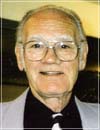
Scott Richardson

Reckon Yourselves To Be Dead To Sin

Romans 6:11-12
Scott Richardson January, 12 1997 Audio
0 Comments

Sermon Transcript

Auto-generated transcript • May contain errors

100%
And turn with me to that sixth
chapter of the book of Romans, Romans chapter 6. three or four chapters here in
the middle of the book of Romans is writing to those that are
in Christ, those that are represented by Christ, to those that are saved by the
grace of God. He writes unto them to help them to see what their positive
state before God is. It's relatively easy to talk about being freed, being
delivered from the penalty that's due us as sinners, that there's
forgiveness in Christ Jesus. Now, it's easy to talk about
those things, but to understand them and to come in grips with
them is on another page. Everybody in the religious world
talks about the forgiveness of sins, forgiven, and they love
Christ and this and that and so forth. How that can be so is another
thing. And if a man doesn't know some
things relative to the forgiveness and the pardon and the justification
and his completeness in Christ and how he got to be complete
in Christ and the fullness of the salvation of God, it will
not affect him very much. The salvation of God, if we've
really and truly came to God as sinners and know Him in the
pardon and forgiveness of our sins, these things that I'm about
to read to you certainly will take on a greater meaning. In this tenth verse, or in the
eleventh verse of this sixth chapter, eleventh and twelfth
verse I'll read, Likewise reckon ye also yourselves
to be dead indeed unto sin. Likewise. Now, the likewise refers
to what he has said before. He says in verse 7, For he that
is dead is freed from sin. He that is dead. Now, if we be
dead with Christ, Paul is referring to believers, to himself. Paul was a believer in Christ
Jesus. And so, the we includes Paul
as well as every other believer then and now, and believers yet
to come. For if we be dead with Christ,
we believe that we shall also live with him, knowing that Christ,
being raised from the dead, dieth no more. Now, if we are dead
with him, if this is the true fact If this is really so, that
we have died with Christ, you and I who are believers,
if we believe that we have died with Christ, in that He died, We believe that
we died in that he died. He died unto sin once, but in
that he liveth, he liveth unto God. So likewise reckon ye, if
he died unto sin once, he dieth no more. Likewise reckon. Consider this
to be so here. Reckon it to be so, in that he
liveth, he liveth unto God. Likewise, consider this to be
so, that ye also yourselves to be dead, indeed unto sin." If
Christ be dead unto sin, reckon then that you are dead unto sin. Dead indeed unto sin, but alive
unto God through Jesus Christ our Lord. Let not sin therefore
reign in your mortal body, that ye should obey it in the lust
thereof." Now, it's very hard to say which is a privilege and
which is a duty, for that which is a duty under
one aspect is a privilege under another aspect. It's a privilege
certainly that we have been able to worship God right. We worship Him in spirit and
truth. We come to Him in the name of
the Lord Jesus Christ. We believe that Christ, as He
said, paid all that justice demanded against our sin. We believe that,
and we have the privilege to come to Him without any sin,
without any guilt of that sin, because Christ died unto sin,
unto the guilt of sin. Christ did not die unto sin in
the sense that He had sin. He didn't die unto the power
of sin because He had no sin. But he died under the guilt of
sin, under the guilt of sin. So we're dead under the guilt
of sin, and now we have the privilege of crying, Abba, Father. In our hearts we come to Him
because we're the sons of God. The guilt of sin has been taken
away. The condemnation of sin has been
taken away. We're not the children of wrath,
even as others. Why? Because He died to the guilt
of sin, to the power of it, to the guilt of it, to the shame
of it, and we have been made the children of God by faith
in Him. We are now, in this great privilege,
believers, are in union with Christ. We're one with Him. We
were one with Adam in the Garden of Eden. We were one. We were
in His loins. What He did is charged us, reckoned
to us, imputed to us. We are what we are now as sinners because of the consequence of
Adam's sin. We were one with Adam, and now
we're one with Christ, the second Adam, and he's died unto sin,
and he that has died unto sin dieth no more. And so our privilege,
our privilege is we worship and thank God for our Lord Jesus
Christ, whom God sent. who died under the guilt of us. That's a privilege that we have.
We have this privilege. Beloved, what manner, the love
of God here, what great and marvelous thing this is, the love of God
that we, who are the children of wrath by nature, sinners by
nature, by choice, by practice, have been have been delivered
from the guilt of our shame and our sin by the Lord Jesus Christ,
that we might be called the sons of God. We might be the sons
and the daughters of God Almighty. Not whatever privilege that is.
Sons and daughters of God Almighty, who there's only one God, the
true and the living God. He hath made all things He sustains
all things. He's over and above everything
else. And we have this privilege, this
blessed, blessed privilege of calling Him our Father. Our Father
which art in heaven, hallowed be thy name. That's a privilege. That's a privilege. It's a privilege. that we're able to join together
this morning and sing hymns of His glory and of His praise. It's a privilege that we join
to pray and to read the Scripture. That's a privilege. We have that
privilege. But this privilege also enjoins
a duty. A duty. Privilege and duty are joined together. You remember
where it says we are created in Christ Jesus unto good works. You can't have one without the
other. You can have this privilege,
but there's duty joined to the privilege. That's the reason
he says, Reckon yourselves to be dead indeed unto sin, unto
the guilt and shame of sin. He does not say that you have
no sin in you. Reckon yourself dead unto it.
Christ paid the penalty in your place. So, consider that you
are like Him. But He does not say that you
have no sin in you. Now, there's folks that do actually
Take this scripture to mean where it says, Reckon ye also yourselves
to be dead, indeed it means that they have no sin. They have no
sin. They're dead under sin, so they
have no sin. They have no sin in one aspect. It's been paid for, but they
still have sin in here. They've still got sin inside. Who would say? Who? Who would hold to such a view
as to say, I am absolutely free from sin? I'm perfect in every
shape, form and manner. Say, there's no sin in me. Who
would say that? Who among us or anybody else
would say, there's never been a time when there's been any
Lust in my heart. My God, brethren, we have lust
in our heart. We are imperfect. There's sin
in us, but there's no sin on us. That's what we're talking
about. There's no sin on us, no guilt,
because He died unto sin once, and He doth no more. He's not going to be crucified
again. Well, think about it now. I said, for that which is a duty
under one aspect is a privilege under another aspect. It's hard
to divide duty and privileges which God hath joined together. We are created in Christ Jesus
unto good works. Now, we should count it our highest
privilege to do His will, the will of God, in every duty. Privileges and duties of the
believer's life are connected with the Lord Jesus Christ because
we are one with Him. And I spent considerable time
not too long ago, talking to you about the oneness of the
believer in Christ, that he said, I am the vine and you're the
branches. I'm the vine, I'm the main stem
and the root, you're the branches. We're one. We're one with Jesus
Christ. The man that comes to Christ,
truly comes to Christ, as a sinner, to have his needs met as a sinner,
he becomes one with the Lord Jesus Christ. Then everything
that Christ is, he is. That's what it means. Everything
that Christ has done, he has done it representatively for
him who is in the vine, who is described as the branches. He's
one with Jesus Christ. So privileges and duties of the
believer's life are connected inseparably to the Lord Jesus
Christ, because we're one in Him. We are loved of the Father. It says many times in the Scriptures,
at least three times that I can think of, that this is my beloved
Son in whom I am well pleased. He, God the Father, loveth the
Son. He's well pleased with the Son. God loves us in Christ Jesus. So we are connected with Him. We're one with Him. We are loved
of the Father. We are redeemed from death and
from hell. and we're separated from this
world. In other words, you get nothing
in Christ except as you get it through Christ. Apart from Him,
apart from Jesus Christ, every man, regardless of how moral
he is, in his own eyes or in the eyes of his neighbors, in
the eyes of his family, regardless of how moral he is, if he is
not in Christ, he's apart from Christ, and he is poor, the Bible
says, miserable, naked, and blind, as you were, who are a believer,
before you came to the Lord Jesus Christ. Every one of us, before
we came, was the children of wrath, even as others, and our
condition and state before God was that we was poor, miserable,
naked, and blind. We knew nothing of God or God's
Christ, nothing whatsoever. Well, now listen. these two verses
here, verses 10 and 11. Let me read them one more time. For in that he died, the Lord
Jesus Christ. He died. That is an indisputable
fact. Everybody, the whole world knows
that Christ died. There was a man whose name was
Christ Jesus, or Jesus the Christ, the Lord Jesus Christ, who was
born of a virgin, who lived a sinless, spotless, perfect, pure life. He died. He died. For in that he died, he died
unto sin once, just one time, never to die again, never to
be crucified for sins again. But in that he liveth, he liveth
unto God. That's us, right? We're in Him.
What He did, we did. See? In that He died, we died. He died under sin once. We died
under sin once. But in that He liveth, He liveth
unto God. A fellow asked me not too long
ago, he said, when was it you were saved? I was saved 2,000
years ago. That's when I was saved. I was
saved when Christ died in my stead, my place, my room, and
bore the guilt and shame of my sins. That's when I say, that's when He took away my sin. He died, and because He died,
I'll never die. Never die in the sense as we
understand death. Died under sin. Well, listen
now, these two verses, Reckon ye yourselves Likewise, in light
of that, in light of verses 7, 8, 9, and 10, likewise reckon
ye also yourselves to be dead indeed unto sin. Christ died
unto sin. Now, what He did is charged to
you. It's imputed to you. It's put
down on your ledger, what He did. We were in Him. And what he did, we did. So just grasp this, he said. Just grasp this. Likewise, consider
yourself as he is. Likewise, reckon ye also yourselves
to be dead indeed unto sin, but ye are also alive unto God through
Jesus Christ our Lord. So, in light of that, Do not
let sin reign in your mortal body. Don't let it reign. It
doesn't say that it's not there. See what I'm talking about? It
doesn't say there's no sin in your mortal body. It indicates
that there is sin in here because He said don't let it reign. Don't
let it reign in your mortal body. Don't let it have power over
your life. If you sin, confess your sin
unto God. Don't let it rain. A man can't
have no peace or joy or happiness if he doesn't understand that
he's dead unto sin. He will not live compassionate
and say, well, I'll rest on my laurels here. I have no sin.
I'm dead unto sin. No, he'll confess his sins. He
knows that sin reigns here, or that sin's here, but it doesn't
reign, but it's in there. And when we sin, that's the reason
our Lord said, if any man sin, We have an Advocate with the
Father, even Jesus Christ the Righteous One, and if we confess
our sins, He's faithful and just to forgive us of our sins. Well, I'm dead sure of this one
thing now. Listen to me closely. I'm dead
sure of this, that God never asked the believer to reckon
anything to be what it is not. He never asked a man to do that.
He wouldn't ask us to reckon ourselves to be dead unto sin,
to be dead unto something that was not. That would be contrary
to the nature of the gospel and contrary to the character of
God. and that would be to build on
a false foundation. That would be inconsistent with
the very character of God himself. There are no suppositions and
imaginations in the gospel. It speaks of a positive sin. It speaks of a positive punishment. It speaks of a positive righteousness. It speaks of a positive forgiveness. God would not have his people
to reckon unto themselves anything that is not true. You see that, Pat? He says we
are to reckon ourselves to be dead indeed unto sin. He wouldn't
ask us to be dead unto something that was not so. We are dead
unto sin, that's what I'm trying to say. If that's all you get
out of that this morning, understand it, then I'll be successful in
my teaching and preaching. He wouldn't ask you to be dead
unto something that was not. If it was not so, that's contrary
to the character of God. So it's so. Glorious, glorious,
truth, path to truth. We're dead unto it. Dead under the guilt of it, the
shame of it. No condemnation now. There's
no condemnation to them that are in Christ Jesus. That is,
when you die, you're not going to go out there and turn it in,
stand before the multitude of people, and God's going to take
every sin that you ever committed and flash it on a big screen
and weigh the good against the bad. the wicked against the evil
and see if you come up with enough goodness in order to get you
to heaven. That's not the way it is. Your
sin is all... You died under sin once in Christ
on the tree 2,000 years ago. And there's no condemnation.
Now, there's no judgment for you. Christ is your judgment.
He's your condemnation. See, that's the good news. What
Christ did on your behalf. Reckon it to be so, He said.
Consider this to be true. I don't ask you to consider anything
that's not so to be so. It's true. We are so vitally
joined with Him. We're so vitally connected with
Christ that when He died, we died. And he that died doth no more.
Why did he die? Why did the Lord Jesus Christ
die? Because our sins was laid on him. That's the reason he
died. Well, if he died because our
sins was on him and he was paying the penalty due our sins, he
died and he was buried. But he came forth from the grave
and he dies no more. That means that he won't be crucified
again, and that means if my sins were laid on him, my sins will
never be laid on him again because he abolished them. He buried
them forever. That's the idea of it. And he
would have his people rejoice in what God has done for us. in His blessed Son, the Lord
Jesus Christ. And I'm saying now, it does not
mean here. It does not mean here that you
are to reckon that there's no sin in you. There's no sin in
you. It does not mean that, because
we know there is. We still have a sinful heart.
We still... have times of lust. We still
are not perfect. We still don't love God with
all our heart and all our body and all our soul and all our
mind, do we? Only in Him we do, but not in
ourselves. We're still human. We still play the part. We still say things
at times. that maybe are not entirely 100%
right. We project ourselves to be something
sometimes that we're not. We're sinners. It's because of
this. You are not to reckon that which
is not true unto yourself. That which God the Holy Spirit
intends for you to reckon unto yourself is a matter of positive
disputable, undoubted fact of God. And the great fact of these
scriptures that I read to you is this, that every believer,
small or great, every believer, every poor soul that is heavy
laden and burdened down with their sins, that comes to Jesus
Christ to have their Sins paid for to be clothed with His righteousness. Every one of those poor, hopeless,
helpless sinners is truly dead to sin because Christ has died
to sin. The Lord Jesus Christ is our
covenant head. He's the head of God's people. He's our covenant head. Now listen
to me. And what He did, He did in the
room and in the place and in the stead of His people. What He did. What He did. He did in their place, in their
room, and in their stead. He did it all representatively
in their behalf. He done it in their behalf. When He came, He came to undertake
in their behalf, the behalf of the people that God chose unto
Himself before time ever was. He did it all representatively
on their behalf, so what He did, they virtually did through Him
as their representative. Always remember, and I'll say
this, I've said it before, but let me say it again, always remember
that the federal principle has been adopted by God in His dealings
with the human race from the very beginning. At the beginning,
all of us were represented in Adam, the first Adam. So Adam's
sin brought us all into transgression and condemnation so that we all
have become partakers in the result of Adam's sin. Now, it was not actually our
sin, was it? It was Adam's sin. It wasn't
actually our sin. But because it became ours by
imputation, and it brought upon us all the terrible consequences
of the fall of Adam. Now, because Adam was our federal
head, he was our federal head. I read that to you. For by one
man's disobedience, many were made sinners. That's the reason
we're sinners, because one man's disobedience, Adam. Now, because Adam was our federal
head, and listen to me closely, will you? Please listen to me
here this morning. In the same way, the Lord Jesus
Christ is the federal head and representative of His people,
and what? He has done. He has done it on the behalf
of the people that He represents. It is reckoned unto them as though
they had done it. Likewise, ye reckon yourselves. He has done it as though His
people had done it. See that? He's done it as though
His people reckon it, reckon it, consider it to be so. It's reckoned as though they
had done it. You see, it's due us as having
broken God's law. We should endure the punishment
resulting from our disobedience. And that punishment was death. The Bible says, So the soul that
sinneth, it shall die. The sentence of death upon every
member of Adam's race is overwhelming, and it's dreadful, it's terrible,
and there's nothing that can describe it but the word death. Death describes it, but he died. all that's involved in this awful
thing called death, he experienced, he died unto sin once. Likewise reckon ye also yourselves
to have died to be dead in Jesus." Huh? Oh, listen. You say, well, is this, you reckon
this could happen to me, that I'd I die? Well, listen, if you're a believer,
it's already happened to you. If you're a believer in the Lord
Jesus Christ, it's already happened to you 2,000 years ago. It's happened. We who believe,
we've been confronted with our sins. Our sins was rolled on
Him. And we are in Him. And He has
been confronted with our sins. We have been confronted with
our sins, we have been accused of them, and we have been condemned
for them, and we have been punished for them, and the full penalty
has been paid by our federal head, 2nd Adam, the Lord Jesus
Christ. We died that day. We died it representatively in
the Lord Jesus Christ. That's what Paul's talking about
here. Can you grasp this great truth? Let me say it again now. Whatsoever
was due from us to God's inflexible, unbending, unerring justice has
been fully paid by Jesus Christ, our Head. Whatever is due, death, whatever
death is in all its miseries, death, death, death, die and
go to the grave. That's not just what death is,
is just to be buried under some dirt. Death is to be separated
from the land of all living. Death is to be separated from
every ray of the sunshine of God's goodness forever and forever
and forever and forever. Death is to go to be punished,
to be punished everlastingly and eternally separated from
God forever. That's what death is. Whatever was due from us to God's
justice has been fully paid by our blessed Redeemer, our Savior,
our Substitute, our Lord Jesus Christ. Whatever of suffering
was necessary as the result of sin from the penal side of the
question, our Lord Jesus Christ has endured the suffering that
was due us. He died unto sin, bearing the
penalty representatively, our Lord Jesus. Let me give you an
illustration of what I'm trying to say. Suppose a man has been
found guilty a man in this world, a human being like you and me
in everyday life. Suppose a man has been found
guilty of a crime which is of a capital offense according to
the law of the country that he lives in. The only way of dealing
with this man, injustice now, is that this man that committed
the crime, And the crime was of the nature
that it demanded capital punishment. The only way that you could possibly
deal with this man in justice is that he would have to endure
the penalty for his crime. If he committed a crime in a
country that considered the crime that he committed of a capital And hanging by the neck or the
electric chair or the gas chamber was the penalty for the crime. The only way you could deal with
it, injustice, would be to put him to death. Now, suppose then the sentence
was carried out and the man was put to death. And after they put him to death, they let his family take his
body. The penitentiary that carried
out the executive orders of the law of the country, they didn't
want him. They was through with him. They
didn't care who took him out of that death chamber or cut
him loose from the rope. The hangman's rope, they don't
care. They're through with him. They've
got nothing to do with him no more. The state has been satisfied
by the death. He paid what justice demanded. But they say, well, they asked
some of the superiors around, has he got a wife or has he got
any children or cousins or aunts or uncles? one out there. Well, tell him here's the body.
And so he takes the body, and they go to the undertaker, and they clean him up, and they
put some new clothes on him, and they take him out in the
graveyard, and they dig a hole, and they put him down in that
hole, and they put the dirt to him. He's buried! He's buried! But, after that, He comes forth
from the grave. After he dies and has been buried,
that man arises from the grave. Can the law touch that man? Can
the law touch that man? No, the law can't touch him.
The same justice that brought him to the bar of justice now
rears its head and declares that that man cannot be touched who
has arisen from the dead. He cannot be twice charged with
the same crime. Now, this cannot happen among
men. This cannot happen in the world
that we live in. It has never happened and it
never will happen among men. But it did happen in the case
of our Lord Jesus Christ. It did actually happen for all
His people. All the people. That's what the
Father gave Him. God's got a people. He chose
a people. If He hadn't chosen us and sent
Christ to redeem us, would there be anybody saved among the multiplied
billions and billions of people that have been born of Adam? Not one. Our case is so bad and
so desperate. In ourselves, we would never
seek and search after God. God must seek and search after
us and bring us unto Himself, or we'll never be found. For all His people, all of God's
people, all the people in Adam's race are not the people I'm talking
about. Because there has been multiplied
billions of people that have died prior to today, who died
in an unbelieving state. They didn't believe on the name
of the Only Begotten Son. Where are they at? They're paying
the penalty that the old God, an old God's justice, The penalty
that's due them against their disobedience, against their sins,
they're paying that penalty. But listen, you never heard tell
of one of them rising from the dead and coming back, did you?
Why? Because he can never fully pay
that penalty. That penalty is forever. It's eternal. He continues to
pay every second. And there'll never be no let-up.
Never be no let-up. But God's got some people. He's
got some people that He chose in eternity past out of Adam's
race. Why He chose them, I don't know.
I know He didn't choose them because there's any good in them,
because they were the children of wrath, even as others. There's
no good. He chose them because He desired
to choose them. He chose him because He wanted
to. He chose him because He pleased Him. I thank God He chose me. I thank God Almighty that He
arrested me. I was arrested one time in my
life. I was arrested. I was arrested
and I was incarcerated. And they grabbed me. And I fought back. And me and
the policeman rolled on the ground. And one of them hit me across
the head, and that's all there was to it. They arrested me. And people came to me after that,
and they said, Well, you didn't do anything wrong. Just defend
yourself. They said, We've got a committee
here. We're going to try to expose
the undue punishment forced upon people by the law. for the sheriff
and the police department and all that. This unruly behavior that we
want you to come and..." And I said, no. I said, I don't want
to testify to nothing. I said, I had one brush with
that law. One brush with it. And I come
out on the short end of it and I don't want no more of it. And I ain't been arrested again.
And that's been over 50 years. I come out on the short end of
it, Pat. I got my nose broke. I just can't breathe today on
account of that. I don't want no brush with the
law. I thank God that He came along
in His mercy and His goodness and His kindness and His grace,
and He arrested me! He arrested me. Stop me! Turn me! gave me a good hope,
made known to my poor soul that I had criminal intents and thoughts
and was a sinner by nature and a sinner by choice. Stop me. And I heard the good news that
Christ, Christ came to seek you to save sinners. And it was revealed unto me what
I was, a sinner. And it didn't take much prodding
or pointing for me to get to Christ. I run to Him. I run to Him. For all His people,
all of God's people, He has borne the death penalty, and He has
risen again. And His people have borne the
death penalty in Him and have risen from the dead in Him. Can they be charged now for their
sins when their sins were laid on Him? And He paid what was
due their sins in the full? and he was buried and rose again,
will he have to do it again? No. Will you have to die and
go to the grave and bear your sin? No, no. No, when he died,
when he died, he died for all of his people, and he's borne
the death penalty and has risen again. And he doth no more. And his people have borne the
death penalty in him, and are risen from the dead in him."
This is a blessed fact. It's a blessed truth. And I rejoice
in it. And if you ever get a hold of
it, and I think some of you have and some of you will, and if
you do, it'll make your heart dance with joy to know you're
not under condemnation. Not under condemnation. You're
free. You died. You're risen again. You're in Christ. All's well. You've got a perfect robe of
righteousness on because he gave it to you. We are emancipated,
the people of God. Delivered because our ransom
price has been fully paid. Set free from the law. It's not
by the law waiving the penalty due our sin. That's not the way
it is. The law says, well, I'll just
bring the law down to meet that poor sinner's understanding and
his need. No! The law never waived the
penalty of sin. Oh, no. The ransom price has
been fully paid. set free, emancipated from the
law, not by the law waiving the penalty due our sin, but the
penalty has been endured in the person of one who had the right
to endure it, the Lord Jesus Christ, the Savior of them that
believe. The apostle here has said we
are to reckon ourselves dead indeed unto sin, but alive unto
God through Jesus Christ our Lord. This is the other side
of this great truth of the oneness that we have, or of the union,
our union in Christ Jesus, that every believer in Christ is alive
unto God. Why? Because Christ is alive
unto God. And we know that He is alive
unto God, knowing, Paul said, that Christ being raised from
the dead doth no more. Our great debt of sin was laid
on Him, laid to His account, and by His death the death of
His person, the death of the humanity of the Lord Jesus Christ. He took our sins and discharged
all the liability that was against us and made us free in Christ
Jesus. Well, we are no longer dead unto
God, but we are alive unto Him, and He will not die twice. for
the sin of His people that was laid on Him and brought Him down
to the grave. But there He was buried, and
it was He that rose again, no longer bearing the sin for which
He paid the penalty. That sin cannot be laid on Him
again, and it cannot be laid on His people. Oh, rejoice with
me. You can never Have that sin laid
to your charge again, if you're a believer in Christ Jesus. If
you've come to Christ, He said, Come unto Me, all ye that labor
and are heavy laden, and I'll give you rest. If you've come
to Christ, you've come to Him, casting your all upon Him, trusting
in Him and Him alone. Listen, you can never, you can never have this sin laid
upon Him, laid upon you that was laid upon Him. You can't
have it laid upon you again. What kind of a state and condition
would I be in if I thought that I'm going to die, and I will
soon. I'm going to die and I'll go
out in eternity and God will make me pay for my sins. I couldn't
have. There's no, that's no good hope,
is it? He don't want us to live like
that. That's the reason he's saying this. He's saying when
Christ died, He died because your sins were laid upon Him.
He died. Now listen, because He died,
He died under sin once, and He doth no more, and He is buried
and is resurrected, and He ain't going to die no more because
He already paid for them sins, and neither am I. Neither am I. Now listen, I'm going to quit,
but I'll say this. No circumstances. There is no
circumstances, conditions, or situation that will ever arise
in this world or in eternity to come that would cause your
sins to be raised up again, and you be judged in yourself on
the account of your sins. Not you that come to Jesus. It
cannot be, and it won't be. It won't be. It can't be. My
God, that's what I believe. I hope you believe it. I hope
you believe it. Let's stand. We'll be dismissed.
Shall we meet again tonight? You all want to come tonight?
You want to stay at home? It's going to be cold. Well,
I do. All right, let's forego tonight,
and we'll come Wednesday night. Weather permitting, we'll come
with you. Alright? Pat, pray for us.
Scott Richardson
About Scott Richardson
Scott Richardson (1923-2010) served as pastor of Katy Baptist Church in Fairmont, West Virginia.
Broadcaster:

Comments

0 / 2000 characters
Comments are moderated before appearing.

Be the first to comment!

Joshua

Joshua

Shall we play a game? Ask me about articles, sermons, or theology from our library. I can also help you navigate the site.