Bootstrap
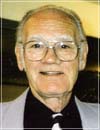
Scott Richardson

Clean and Unclean

Isaiah 6:5-7
Scott Richardson May, 1 1984 Audio
0 Comments

Sermon Transcript

Auto-generated transcript • May contain errors

100%
Well, a man said, talk or preach. Turn with me
to Isaiah chapter 6. Isaiah chapter 6. Let me read verses 5 and 6. at least to start with. Verses
5 and 6, Isaiah chapter 6. Then said I, Woe is me, for I
am undone, because I am a man of unclean lips, and I dwell
in the midst of a people of unclean lips. For mine eyes have seen
the King, the Lord of hosts. Then flew one of the seraphims
unto me, having a live coal in his hand, which he had taken
with the tongs from the altar, and he laid it upon my mouth,
and said, Lo, this hath touched my lips, and my iniquity is taken
away, and thy sin is purged." Well, I'll be honest with you
this evening. That's not to imply that I haven't been honest with
you before, but just kind of an expression to kind of get
me started here. I'm preaching for decisions here
tonight, preaching for decisions. I am looking for someone who
decided for God and found out that God decided for him. I am
looking for someone who is looking for God and then found out that
God was looking for him. I am looking for someone who
has completely given up, absolutely, in trying to save themselves. I'm looking for men and women
and boys and girls who have by and through Holy Ghost conviction
been brought to wit's end, who have been brought to the
end of themselves and come to that realization who they really
are. And if I can find some like that,
I've got something to tell them. If I could find that Roman soldier
that pierced the side of the Lord
Jesus Christ, I believe I could tell him tonight that there's
a better way of coming to the heart of the Lord Jesus. I believe
that I could tell him that the blood he shed is an ample atonement
for the sin of shedding it. And if I can find some sinners
tonight, hopeless and helpless, I believe I've got something
to say to them. Isaiah, this was his confession. He said, Woe is me, I am undone,
or the margin of my Bible says cut off. Woe is me, I am undone,
and I am unclean. Woe is me, I am undone, and I
am unclean. Now, this is a solemn and soul-subduing
sight, to find yourself standing before the throne of God in His
awesome holiness with the unanswered claims of the throne bearing
down heavily upon a man's conscience. Isaiah found it to be so. You see, the glory and the light
of the throne revealed unto Isaiah his true condition. What was
that light? That light certainly was the
glory of the Lord Jesus Christ. In John chapter 12 and verse
41, it says this, These things spake Isaiah, when he saw his
glory, and spoke of him. Now every man, every man, not
just Isaiah, not just Jeremiah, not just John, not just Job,
but every man, if he ever winds up in God's eternal glory, I
believe that he must see himself in light of the glorious perfection
of the throne and the light of the glory of the Lord Jesus Christ. Now, it matters not what I think
of myself or even what others might say about me or think about
me or think that I am. The question is this, and the
question that I propose to every human being here this evening
is, what am I as viewed in the presence of the glory of Christ? Now, the law may tell me what
I ought to be, and my conscience may tell me that I am not what
the law says I ought to be. But it is only, and only, I insist,
only when the pure, light of the glory of the Lord Jesus Christ
and that throne pours itself around me and upon me that I
am able or enabled to form a just and right estimate of who I am. It is then and only then that
the hidden chambers of my heart is laid bare and laid open, and
there I can see my real and true self. Every man that ever winds
up in God's eternal glory is going to have to find himself
in light of the white heat of the awesome perfection and holiness
of God Almighty. He's going to have to find Himself
there and find out what He is. We've got to find out what we
are. Oh, listen. Isaac, I believe
it was, that when Abraham was about to offer him up as
a sacrifice, Isaac looked up into his father's
face and he said, My father. And Abraham said, My son. And Isaac said, I see the fire. And he said, I see the wood.
And I see the altar. And I see that sharpened knife.
Now that speaks of judgment. Somebody's going to die. Now
he's talking about somebody's going to die. He said, I see
the fire, and I see that altar, and the fire upon the altars.
And he said, I see everything needful and necessary for the
burnt offering. But he said, Abraham, Father
Abraham, where's the lamb for the burnt offering? Oh my God,
this evening, brethren, if we ever get in the awesomeness of
the holiness of God and see the knife and the fire and the altar
and the judgment, you know what, we'll cry out, where's the lamb?
Where's the lamb? Where's the lamb for the burnt
offering? Where's the lamb? Where's the lamb? Got to have
the lamb. Oh, my soul tonight. Listen to
me. If you'll turn with me for just
a minute here, let me try to read from the Scriptures what
I'm trying to say. Here in the 15th chapter of the
book of Matthew. Matthew chapter 15. Listen to
this. About this woman from Canaan
who came to the Lord Jesus Christ. Listen. She came and cried unto
him, saying, She said, Have mercy on me, O Lord. She came to the right person.
And she required the right thing. Have mercy on me, O Lord, Thou
Son of David. Verse 23, He answered her, not
a word. The disciples said, Send her
away, she crieth after us. They made a big mistake there.
She wasn't crying after them. She was crying after the Lord.
And He answered and said to her again in her second appeal, I'm
not sent but unto the lost sheep of the house of Israel. And she
came, and this, oh, listen to this, and she came and worshipped
Him, saying, Lord, help me. And He answered and He said this,
It's not me to take the children's bread and cast it to the dogs."
Well, what he said would tend to depress most of us. Now, listen,
as far as hope is concerned, if we'd have been there in all
probability, we'd have said, well, if that's the way it is.
I mean, now wait a minute. I've come here, and I said, Lord,
and I said, have mercy on me. And I've humbled myself, and
I've bowed down, and you wouldn't even give me the time of day.
If that's the way it is, I'll take my marbles and go home." Well, listen, what he said would
tend to depress most people as far as hope is concerned. Yet
she was not hindered. She was not hindered, and she
did not say any hard, unkind words to him. Listen, he said,
it is not right. It's not lawful to take the children's
bread and throw it to the dogs. But her mind was made up. Whatever
our Lord meant or whatever he didn't mean wasn't going to stop
her. She said, true Lord, true Lord,
You compare me to a dog. So I am. So I am. And I know it wouldn't be right.
I know this wouldn't be right for me to take the children's
bread, to rob the children of their bread in order to feed
me a dog. I know that wouldn't be right.
Oh, she called him Lord. Notice that? And she said, Truth,
Lord! Verse 27. Truth, Lord! Yet the dogs eat of the crumbs
which fall from their master's table. Oh, listen, she didn't
suggest that she be put among the children. No, she only asked
to be treated like a dog. That's all. She said, true Lord,
I'm a dog. Oh, listen. All that I want is
what? Just a dog's portion. That's
all. I'm a dog. Oh, listen, Lord. She's saying, I was a dog. A dog in the street. A dog, a
cur dog, everything, everything that moved I barked at. Used to go out and bark at the
moon. Every car went by, I snapped
at it. She said, but I'm not in the
streets now. Listen to me. She said, I'm not
in the streets now. I'm under your table. She said,
Lord, I'm your dog. I'm your dog. I'm under your
table. You know what she said? She said,
devil or dog, I'm yours. Dog I am, but still I'm a dog
under your table. Isn't that what she said? Ah,
listen to me. She'd made two unsuccessful pleas
for what? Mercy. She wanted mercy. Listen, this is her last and
successful plea. And listen to me now. If you
don't hear anything else I say tonight, write it down. I don't
say much that's worth writing down. That's right. I deal in second-hand traffic.
At least I'm that honest. All right, listen. Listen. Her last and successful plea
came from the ground on which the Lord placed her. You ever get on the ground where
the Lord places you, you'll hit a home run every time. As a dog,
she presented her petition, unworthy of the children's brain, and
the secret The secret to how to succeed in our approach for
mercy is this way. Stand upon the ground. Stand upon the ground where God
places you. Oh listen, where does He place
you? On the ground of being guilty. Guilty, ungodly, unworthy, deserving
eternal death and condemnation throughout the dateless ages
of the forever to come. On this ground we've got to take
our stand, plead for mercy. On this ground we've got to take
our stand and plead for mercy which is provided for characters
of this description. Agree with the Lord, whatever
He says. Listen. Listen. Dogs. Dogs. The book of Proverbs, it
says, the dog vomits and returns to lick up its vomit. I was preaching
here not so long ago in West Virginia, and I was talking about
dogs. And a fella told me, he said,
I'll tell you something about dogs. I said, boy, I don't know
much about them, tell me. He said, you know, when a dog
dies out in the field, or someone shoots that dog, he said, there's
no other animal that'll eat a dog. Hey, nothing'll eat a dog. Huh? A dead dog? Nothing'll eat a
dog. Huh? Dead dogs. There's dead
dogs. Huh? Dead dogs. Huh? There's watch dogs. There's lap
dogs. There's hunting dogs. There's
fat dogs. There's skinny dogs. There's
big dogs. There's little dogs. There's
pretty dogs. There's ugly dogs. There's white dogs, black dogs,
yellow dogs, red dogs. There's nice dogs, there's mean
dogs. There's dogs that wear ribbons,
pedigrees. What have all these dogs got
in common? They're dogs! They're dogs! What kind of dog are you? They're
dogs! What kind of dog are you? What
kind of dog are you? An educated dog? Huh? An unlearned dog? An unlearned
dog? You can't do no tricks? What
kind of dog are you? A rich dog? A poor dog? Huh? You're a dog. You're a dog. Listen to me now. She took the
title to herself without complaint. She didn't complain about it.
Maybe you and I might complain about it. She didn't. She didn't. All right. Take that stand. Stand right there where God placed
you. And make your appeal. Mercy will come. Mercy will come. You know what will happen? You'll
come out of there with blistered lips. And I'll tell you about
that in a little bit. Agree with the Lord. Agree with
the Lord, whatever He says. Say, truth, Lord, truth, Lord,
I'm a rebel. I surrender. If the Lord reminds
you of your unfitness, your ungodliness, your rebellion, your hellish-like
attitude, don't argue with Him. Don't argue with Him. He only
tells you what's true. Nothing can be gained by argument. Huh? Seize your war! They'll ask me today, Henry,
they put them guns down yet? Lay your guns down! Seize your
war! Lay them down! It's a war that
ought not to have started in the first place. Seize your war
and your rebellion! Beggars must not be choosers! If a beggar comes to your door
asking for charity, If he's really honest that God wants something,
he won't start an argument. He'll agree with you. Lay your
guns down. Oh, listen to me. This is what
I'm saying over here in the book of Isaiah. This is what I'm saying. You ever get to this place? You
ever get to the place in light of the throne, in light of the
holiness, in light of the demands of God, in light of the glory
of God that can only be seen in the face of the Lord Jesus
Christ. I'll tell you something takes place. There is no reason
for you and I here to suppose that Isaiah was in any respect
far worse than his neighbors. No, sir, he was no worse than
the thousands around him. We need to remember. We need
to understand this. We need to underscore this. We
need to remember where Isaiah stood when he said, I am undone. We need to understand where he
was when he said, unclean, woe is me. Now you understand, it
was not at the foot of that mountain that was on fire. That wasn't
there. It wasn't at the foot of that
burning mountain where death and condemnation was given, and
threatenings and lightenings and thunderings and darkness
enveloped that place. But when He said, Woe is me,
I'm undone, He was in the presence of the glory of Christ. Oh, listen,
in the presence of the glory of the Lord Jesus Christ, that
our prophet stood when he saw himself undone and unclean. Oh, when a man stands in the
light of that glory, that glory reveals to men and things as
they are. He said, I am undone. He didn't
say, woe is me, I'm not what I ought to be. No, sir. He said that this thing goes
deeper than me going to the picture show. I'm not what I ought to
be. I went to the picture show. I
watched a program on the television that
was designed for adults only. I cheated a little bit. I got
a little drunk and I got in jail. Ah, no, my friend, that's not
what he's talking about. In the presence of the glory
of our Lord Jesus Christ. Ah, listen, that's where the
prophets stood. And listen, when a man stands
in the light, of the glory, of the holiness of God himself. I'll tell you, it goes deeper
than that. Conscious of that deep pollution. Conscious of, oh my soul, he
is conscious of that deep pollution. Oh, it went farther than skin
deep. Skin deep. There is a leprosy. a false leprosy, which is detected
because it only goes skin deep. Oh, but when the leprosy invades
the hair, and there's a whiteness instead of a yellowness there,
and when the priest looks upon the leprosy, and he finds out
that the leprosy goes deeper than the skin, he says, there's
a true leper. There's a true leper. If it only
goes and penetrates the skin, he said it's a false leprosy. And he said it's not a plague
at all. Ah? Oh, listen. To the depths of this man's soul,
and revealed thoughts in the intents of his heart, Oh, Isaiah
had never before seen himself in such light. He had never been
measured before in such rule. Not like this. Isaiah, listen,
he saw himself all alone, all alone in the presence of a holy
God. He saw himself all alone. Standing
in the presence of God's throne, listen to me now, without any
ability to meet the claims of that throne. Woo! That's an awesome
place to be. To stand in the throne of God's
holiness without the ability to satisfy, to meet the claims
of holiness. Oh, you've been somewhere if
you've ever been there. Oh, I hope that God, every one of us, would
be there in the light of the glory of that holiness. Holiness. Holiness. Listen, he saw Him
high and lifted up. High and lifted up. Saw Himself
helpless. Saw Himself ruined and a guilty
wretch. He saw Himself at an immeasurable
distance from that throne and from one who sat upon that throne. Oh, listen to me now. Listen,
he heard the cry of the seraphim. He heard the cry of that seraphim.
And as I was thinking about this today, I drive around my car
and I said, these fellows have been preaching. Oh, my soul,
how they've been exalting the Lord. And I said, Lord, I need
something. I need something that will help
me to get me off of the ground. And I read that, holy, holy,
holy. And I said, what does that mean?
What does that mean? I didn't know. I really didn't
know. I know God is holy. But what
did it mean when they said that to him? They said this to Isaiah. He is on this ground. He is on
this ground of helplessness, wretchedness, undone-ness. And them seraphims, they began
to sing. You know what they sang? Oh,
they sang, Holy, Holy, Holy! He heard the cry of the seraphims,
and they spake of that throne! That's what they spake of. They
spake of the throne and He who was on that throne. And they
told him, Holy, holy, holy is God. And the light of that glory
is the Lord Jesus Christ. That's what it was. Listen. Did
he make a response? The only response that He could
send back from the depths of a wounded, a broken heart? Was this unclean, unclean, unclean? That's all He could say. All
He could say in light of this holiness, holy, holy, holy, in
light of that, He said, I'm undone. I'm undone. I'm cut off. I'm unclean. I'm helpless. I'm hopeless. I'm a wretch. He
saw the helplessness. the uncleanness that separated
him from God, and he knew no effort of his own could bridge
that gap. Oh, he was too far away. He understood
if he ever got into the presence of God, God would have to do
something for him. God, as Kent said, God would
have to go get him, throw him on his shoulders and do something.
Do you know what holiness is? I'll tell you what holiness is.
I don't know much. Don't pretend to. God help me. I'm ashamed of being so dumb.
But I know what holiness is. I know what it is. I'll tell
you what it is. It's, I will be done if it kills
me. That's what holiness is. Talk
about holiness. He said, oh, that this cup might
pass over. Oh, that I might pass over me,
but He said, Not my will, thy will be done. You want to know
what holiness is? Holiness is doing the will of God if it kills
me. The Holy One, the Lord Jesus
Christ, said that. And that thy will be done incorporates
all practical Christianity and theology. Thy will be done. Thy will be done. That's holiness. That's holiness. God's will be
done if it kills man. Ah, listen. That's the throne,
the awesomeness of that throne. Ah, but bless God. There's something
else. There's the light of the throne,
and then there's the grace of the altar. The moment that Isaiah
gave voice to what it was. What was it? Undone, unclean,
hopeless, helpless. He gave voice to that. That's
what he said. He said, I'm undone. Now, the
very moment that he gave voice, acknowledged what he was, who
he was, he was introduced that quick to the provision of God's
altar. God Himself has provided a remedy. For all the ruined and guilt
and shame which the light of the throne revealed, God has
provided a remedy. Lest I forget it, what God provides,
God will accept." Hot coals touched his lips. That angel flew from
the throne, flew there, parked there. I don't know how that
would be. And anyhow, he took off. I mean like that, he took
off. Well, he got a tong. He got a
tong, grabbed a coal off that altar. Brother, he put that in
his hand, and he took off. And he touched the lips of Awaziah. Hot coals just touched his lips. Sin is purged, iniquity is gone. What happened? Isaiah was brought
in personal contact with the sacrifice. And the immediate
result was what? Removal of all sin and all iniquity. Not a single spot remained. It's
all gone. I mean, it's all gone. I mean
there's not a single solitary spot there. I mean she's all
gone. I mean the past, I mean the present,
and I mean sins to come. It's all gone. It's all gone. Oh, listen to me. Not a single
spot. What am I saying? I'm saying
God's work is perfect. He convicts perfectly. He purges
perfectly. The sacrifice of blood doesn't
leave a stain upon the conscience. If you've got a perfect sacrifice,
you have a perfect conscience. You see, the conscience demands
perfection, and you can't give it. You can't pray enough. You can't study enough. You can't
witness enough. You can't do this. You can't
do that. So your conscience continually batters you with accusations,
accuses you, accuses you, accuses you. And the only way that you
can silence this accusing conscience, which demands perfection, it
demands perfection, the only way you can silence it is a perfect
sacrifice. The Lord Jesus Christ is that
sacrifice. You've got the perfect sacrifice,
that will shut the conscience up. I've got the sacrifice, I've
got the lamb, here's the lamb, that will shut him up. Ah, listen,
something else I want to say. This divine remedy now was not
only applied to this ruined, helpless, hopeless prophet, but
it was given to him in such a way so as to let him know that the
whole heart of God was in it. Boy, that's good, isn't it? Give
it to him in such a way that he might know it wasn't just
a mechanical thing. I mean, it wasn't something that
you just put down on paper. I mean, he didn't call him up
long distance and say, well, I've done something for you here,
but, well, your voice is kind of strange. Well, I've done that
for a lot of people. It wasn't that way. I mean, he'd
done it in such a way that this old boy that had blisters on
his lips, I'm telling you, he understood that the heart of
God was in this. How do you know that? Well, I'll
tell you, I believe that the quickness of movement of this
seraphim when he flew speaks of God's desire to tranquilize
the conscience of that poor man. Oh, he flew! Let me tell you,
one time I preached here a few years ago about the prodigal
son. And I told you about the prodigal.
I told you about the father who was a representative of God the
Father. And the only time in the Scriptures
does it depict God. I know it's an illustration.
I know that. But it's telling us something.
The only time in the Scriptures does it depict God running. God running. What was He running
to? He saw this poor wretched Cast
off. Oh, this poor wretched soul that
wasted his time and his money and his talent on righteous living. Oh, he comes to himself. He comes to himself, and I'm
sure in the light of the judgment and the throne and the holiness
of God, he comes to himself. He said, I'll go home. He said,
I don't think I'll wait until next week. He said, I don't think
I'll wait until the check comes if I get any. He said, I think
I'll purpose in my heart and go home right now. And oh, as
he came home, the father saw him. And it says, the father
run. And oh, the father throwed his
arms around that poor prodigal, and he smothered him with kisses. I mean, he smothered him with
kisses on both sides. It was God throwing Himself upon
the back, upon the face of a poor sinner. That's love. There's love in this salvation
thing. It ain't hard, cold, calculated
doctrine. Oh, no. You preach to my head
too much. Let's say a little something
to my heart once in a while. I know what you say is true.
I know that. But all your instructions, just
tell me some things about the love of God once in a while.
Tell me it's lovely. Tell me about the Savior. Tell
me about His doing and His dying. Something that will help me.
Ah, I flew. The energy of love gave quickness
to this. No sooner had the heir from the
throne wounded the heart that the seraphim flew to heal the
world. Have you ever stood where Isaiah
stood? Have you ever stood there? I'm
looking for some folks that stood there. I'm looking for some people
like that. I believe if I see them, I believe
I'll know them. Because I believe they'll have
blisters on their lips. I believe they'll have blistered
lips. Listen, you don't need to see a vision. You don't need
to be in a trance. Oh no, you're not required to
see a throne. You're not required to see flying
seraphims. Why? You've got the Word of God
to assure you. It's better than that. It's better
than that. You don't have to have a vision.
You've got the Word of God. What does the Word of God say?
Well, listen, the Word of God assures us, or the individual
who has stood where Isaiah stood, who has been brought to that
place in the awesome holiness of God, where he's been made
to see what God demands, God demands that a man be as holy
as He's holy. And if you're not as holy as
He's holy, you can't come where He is. You've got to have that! And when you see yourself in
the true light of that throne, you'll say, woe is me! I'm undone! I'm undone! Mark me out! Rule me out! No hope! No hope
for me! When a man comes to that place,
listen to me, The Word of God assures a man that Christ suffered
for sins. He suffered for somebody's sins.
The just for the unjust that He might bring us to God. Oh,
He says, all that believe are justified from all things. This
is far better than many visions and many seraphims. In closing,
let me say, Isaiah believed that his iniquity His iniquity and
His sins was purged on the testimony of a seraph. Is that right? He believed that on the testimony
of a flying seraph. I'd rather have the testimony
of the Word of God. The testimony of God Himself. Ah, listen, when this angelic
messenger told him so, he believed it. And you know what? You say,
You say, well, don't you believe in practical criticism? Yeah,
I do. Verse 8, he said, I'm sitting on ready, Lord. I heard the voice
of the Lord saying, ah, blistered lips now. Heard the voice of
the Lord saying, whom shall I send? I mean, the Lord said, well,
we've got to send somebody. And here's this fellow with blistered
lips. I mean, sitting on ready. What did he say? Who shall I
send? Who'll go first? He said, here
am I. I'll go. I'll go. Something happened to
me. Oh, he touched me. He touched me. God help me. He touched me. And I ain't the
same. Well, Lord bless you.
Scott Richardson
About Scott Richardson
Scott Richardson (1923-2010) served as pastor of Katy Baptist Church in Fairmont, West Virginia.
Broadcaster:

Comments

0 / 2000 characters
Comments are moderated before appearing.

Be the first to comment!

Joshua

Joshua

Shall we play a game? Ask me about articles, sermons, or theology from our library. I can also help you navigate the site.