Bootstrap
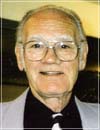
Scott Richardson

Even As God, For Christ's Sake Forgives You

Ephesians 4:24-32
Scott Richardson November, 16 1980 Audio
0 Comments

Sermon Transcript

Auto-generated transcript • May contain errors

100%
Let us begin reading there at
verse 24 through verse 32, and we'll use the latter part of
the 32nd verse as a basis for our remarks here this evening,
but let us begin reading at verse and that ye put on the new man,
which after God is created in righteousness and true holiness. Wherefore putting away lying,
speak every man truth with his neighbor, for we are members
one of another. Be ye angry, and sin not. And let not the sun go down upon
your wrath, neither give place to the devil. Let him that stole
steal no more, but rather let him labor, working with his hands
the thing which is good, that he may have to give to him that
needeth. Let no corrupt communication
proceed out of your mouth, but that which is good, to the use
of edifying, that it may minister grace unto the hearers. And grieve not the Holy Spirit
of God, whereby ye are sealed unto the day of redemption. Let
all bitterness Wrath and anger and clamor and evil speaking
be put away from you with all malice. And be ye kind to one
another, tenderhearted, forgiving one another, even as God for
Christ's sake hath forgiven you. I want to talk to you for just
a few minutes here this evening in regard to the grace of God.
I trust that he, the Good Spirit, the Holy Spirit, might be of
such mind this evening that he would bless us with some truth
that would be beneficial in helping us to be more like him who loved
us and gave himself for us. Here in the latter part of that
32nd verse it says, Even as God for Christ's sake hath forgiven
you, God hath forgiven us because of the representative
character of the Lord Jesus Christ. There are many things that could
be said and maybe should be said in regard to what is involved
in God forgiving us for Jesus' sake. We know that God does forgive
us because of the sinlessness of the Lord Jesus. We know that
God doth forgive us because of the willingness that is involved in the submission
of the Lord Jesus Christ in our stead, in our place, and in our
room. But it can be safely said that
God hath forgiven us because of the representative character
of the Lord Jesus Christ. Now it should not be forgotten
and it must not be forgotten that we originally fell by a
representative. You know that I've said many
times and other preachers that have stood here in this place
have said many times and you have read many times from your
own Bible or from God's Bible, that Adam stood for us and that
he was our federal head. Adam, the first of our race,
the creation of God, Adam who was made from the dust of the
earth, who God breathed into his nostrils and he became a
living soul. He stood as our representative. He was our federal head. And
we first originally fell in him, in the first Adam. We did not
fall personally first, but in our representative, in Adam. Had he kept the conditions of
the covenant, we would have stood through him. But he did not keep
the conditions of the covenant, and he fell, and so we fell in
him. Now the angels, in all probability,
they fell individually, one by one. And in so doing, there was
no restoration for the fallen angels. They are chained and
reserved in the blackness of darkness forever unto that day
of judgment. But we fell in one atom and by
so doing there remained the possibility of us rising again in another
atom. Now the Bible says in the book
of Galatians that in the fullness of time God sent forth his Son,
made of a woman, made under the law. For what reason? To become the second Adam. Now, our Lord Jesus Christ, the
second Adam, when he came, he came to undertake and to remove
our burdens and our guilt and our shame and fulfill the conditions
of the covenant. And this he did. He undertook
to remove all of these burdens, all of our sin and all of our
shame and all of our disgrace. This he did. He must bear the
penalty, and this he done. By his own personal suffering
and death on that shameful tree, he bore the penalty. He bore
that penalty. He must obey the law, and this
he did unto the uttermost. He obeyed the law perfectly,
inwardly and outwardly, in every respect, every jot, every kittle
of the law of God. Our Lord Jesus Christ obeyed
perfectly, and it was not It was not a burden for him to do
so, but he rejoiced in fulfilling this law, in bowing to this law,
in subjecting himself to it, obeying the precepts inwardly
and outwardly, fulfilled and kept and performed all that the
immaculate, spotless, holy, righteous law of God demanded. He who was born of woman, who
came in the fullness of time, took upon himself that which
was our due, bore the penalty, obeyed the law. And so, having
borne the penalty and having fulfilled the law, he himself,
the Lord Jesus Christ, is justified before God and stands forth before
God as the representative of every individual that is in Him,
our Lord Jesus Christ. So God, for Christ's sake, hath
forgiven us. God, for Christ's sake, hath
forgiven us. our sins. All of our sins, every
sin, every sin spoken, unspoken, every secret, unholy thing, desire,
every form of grievance, malice, anger, disrespect, ungodly act
thought of, rolled about as a sweet morsel under our tongues, hath
been forgiven for Jesus' sake. God hath, for
Christ's sake, hath forgiven you. Isn't that sweet? Isn't that sweet? You're in Christ. Our Lord Jesus Christ has fulfilled
all the conditions of that eternal everlasting covenant. Stood in my stead, my place,
my room, bore in his own body that which was due me. bore my suffering and bore my
penalty, paid it all in full, kept that law which I rebelled
against, kept it in every respect. Therefore, God, therefore the
Lord Jesus Christ, now, we talked to you about this this morning,
that God hath highly exalted him and placed him at his right
hand and turned over this whole world into his hands. The whole shooting match, lock,
stock and barrel, is in his hands. But he stands before God there
as our representative. And all who are in him are freely,
continually justified, forgiven, and sanctified because of our
representative, the Lord Jesus. Even as God, for Christ's sake,
hath forgiven you. That's what I want to talk to
you about, just a little bit here this evening, about the
grace of Almighty God. You know, I think it was John
Newton that said, that taught my heart to fear, and grace my
fears relieved. By grace my substitute appeared,
by grace my heart believed. God shed his grace on thee. The sons of God see the grace
of God running through the whole of our history from eternity
past to eternity future. From our election in ages past
to the revelation of God's sons in glory, it's all of grace. It's all of grace. Not of works,
lest any man should boast. It's all of grace. And at no
point between the two points, between the time in ages past
until the time in eternity in the future. There is no time
in between that any of the sons of Adam can put their finger
upon any point and say, I earned this, I merited this, I deserve
this. It is all of grace, brethren.
It is all of the grace of God. And I'm persuaded this evening that God does not do anything
for us apart from the grace of God, which is in Christ Jesus. And I've said many times and
it bears repeating that God will not, now you follow, God will
not He will not. There are some things that God
will not do. He will not lie. God will not
lie. God will not speak to nor be
spoken to of any member of this human race apart from His Son
or apart from a divine substitute. God will not speak to He will
not speak to you. God will not look in your direction. He will not hear the whisper
of your heart. He will not hear the shout, though
it comes forth like thunder, apart from a substitute, apart
from the Lord Jesus Christ. Brethren, it's all of grace from
start to finish. There's nothing that you have
hoped to have or desire to have that you can put your finger
on and say, I got this because I'm entitled to it. I got this
because I earned it. I got this because it's coming
to me. No, sir. It's all of grace. It's the grace of God. Four things that I want to say
and then I'll quit. Number one, if you'll turn with
me to 2 Timothy. 2 Timothy chapter 1 and verse number
9. 2 Timothy chapter 1 and verse number
9, and you'll be honest. in the
reading of this scripture here, you'll be convinced that it was. Now, don't ask me to, as the
brother says, to explain all this, because I can't explain
all of it. I can't do it. But, as I said
this morning, we're not called upon to explain all these things,
but we are called upon to believe all these things that God has
spoken. First thing I want to say is
this, it was covenant grace that chose us. Now I know that it won't come
as a surprise to any of you, you've heard it over and over
and over again. That you made a choice, you made a
choice, and I'm not saying that you didn't, I made a choice.
But my choosing was only the product of the working of God's
eternal choice that was in me. You remember I said some time
ago that God makes us willing in the day of his power. You
remember I said some time ago that some of the old Puritans
used to say this, that God saves a man against his will with his
full consent. God saves a man against his will
with his full consent. Sounds like a paradox. I guess
that's what it is. But that's the way it happens.
I may not be able to explain that to your satisfaction, but
that's what takes place. God makes us willing in the day
of His power. We choose Him because He first
chose us. We love Him because He first
loved us. Now, if you don't get this thing
right, all the rest of it will not fall into place. If you don't
start off right, you're going to end up wrong. Everything else
is going to be out of kilter. It's like the surveyor, if he
doesn't find the proper starting place to survey, then the whole
thing is going to be out of proportion. You've got to find the starting
place here, and I'll tell you one reason why you've got to
find the starting place, because if you don't find out where this
all begun, the first thing you know, you'll find a few reasons
whereby you might brag and boast of your accomplishments and your
achievements in this life. And you'll come away thinking
that your salvation depended upon you. And in a sense, that's
true. But in another sense, it's not
true. All right? Listen to what this
verse says. In 2 Timothy, chapter 1, verse
number 9. It says, Who hath saved us? and called us with a holy calling,
not according to our works, not according to our merit, not according
to our deserts, not according to our works, but according to
his own purpose and grace. which was given us in Christ
Jesus before the world began. Number one, it was covenant grace
that chose us. God chose a number of this fallen
race before the world ever was unto himself. Now, I don't know
why He chose you. If He chose you, I don't know
why He chose me. Other than it pleased Him. Other than it was according to
His good pleasure. That's all I can say. I don't
know. I do know this, that it was not
because of any good works. or any good thing that he's seen
in you which enticed him to make a choice. I know that that's
not true because I know that there is not anything in any
alienated sinner that is conducive to God's glory. I know that. We're all rebels. We all have
went astray. We have all went after our own
way. We are all lovers of self more
than there is nothing about us that would entice God to do anything
for us. But I know that and I know this.
I know that He did not call us or save us according to our works. But the Scripture's got a better
answer than I can give, but according to His own purpose and grace,
which was given us in Jesus Christ before the world ever was. Now
brethren, I don't know why, or I don't know what there is about
elective grace that makes men angry. I don't know. But there
is something about this elective grace that makes men boil within. Gnash their teeth. It makes men
get mad at the preacher. It makes men get mad at the church. It makes men leave the church
and go to another church. It makes men sometimes close
their Bibles and say, if that is the way that God does things,
I want nothing from Him. What is there about the elective
grace of God that makes men angry? Do you know? Why do they despise
it so? I told you here recently that
if you go on the job tomorrow, and there's some religious people
that you know, you're familiar with their religion, and if you
talk to them about the elective grace of God, if you'll tell
them I don't mean try to offend them. That's not what I'm saying. I don't think we ought to compromise
truth. I'm not saying that. But I don't think that we ought
to deliberately set out to offend people. But if God, in His mercy
and under the leadership of God's divine Spirit, gives us the opportunity
to witness of the glory of God in the face of Jesus Christ,
and gives us some freedom and some liberty to do so, let us
just bring up this, that God hath chosen in Christ a certain
number before the world ever began. Just bring that up. You're
talking about a covenant that God made with the Son and with
the Spirit before time ever was, you're talking about elective
grace, and I'll guarantee you, I'll guarantee you that there'll
be some men, if they can figure out what you're saying. It may
be that they can't understand what you're talking about, but
if they ever get adrift of what you're saying, that God made
a choice according to His eternal purpose in Himself, according
to His good pleasure. He made a choice from this human
race. If they ever understand what
you're talking about, they're going to get mad. They're going
to get mad and they're going to gnash their teeth. And I'll
tell you this, they would rather hear you take the name of God
in vain. It would not offend them near
as much as you mentioning to them of the elective grace of
God. And that's a fact. They'll let
you get by with taking the name of God in vain. And you can curse
God in their very presence. They may blush a little bit and
shift around on their feet, but they'd rather hear you do that.
than talk about God making a choice. Well, I'll tell you this, it
doesn't make me mad. When I hear that it was covenant
grace that chose us, it doesn't make me mad. And I'll tell you
why it doesn't make me mad, because it's my friend! It is the sinner's
friend! If he had not chosen us, If He
had not chosen me, if He had not chosen you, I'll guarantee
you, I would have never chosen Him or you would have never chosen
Him. If it had not been for God choosing
us, if we would have been left to ourselves, I'll tell you exactly,
I'll give you a good illustration of men being left to themselves
and what they did with the Lord Jesus Christ. When our Lord was
there before Pontius Pilate, and these rabbis and this chief
priest who should have known better if there was any man in
that crowd that should have been a friend of the Lord Jesus Christ,
it should have been that chief priest. But when the chief priest
finally understood what he said, he rent his clothes, he rent
his clothes and he said, it is blasphemy! And he took the leadership,
and all of those fellows in that crowd, they marched down to where
the Lord Jesus Christ was bound, there in Pilate's judgment hall.
And you know what they did? They spit in God's face. They spit in the face of the
Lord Jesus Christ. And I'll tell you that the spitting
of these people into the face of the Son of God was only a
reflection of the feeling of animosity and enmity and hatred
of their hearts towards Him, the blessed Lord Jesus Christ,
and what they were really saying was this. This is what we think,
if this man is God, If He's God manifest in the flesh, then we're
going to send a message back to God the Father, and we'll
show Him and tell Him how we feel. And this is how we feel,
we'll spit in His face. So I'm telling you, brethren,
this evening, I'm telling you this as gentle and as loving
and as tender as I know how to tell it, that the elective grace
of God is the sinner's friend. Because if God had not chosen
you, left to yourself, you would have never chosen Him. No way! You wouldn't have done it. You
wouldn't have done it. You would have remained in your
rebellion toward God and against God and
against God's Christ until the very day that you die. And when
you went out into eternity, you'd have went out kicking against
God, steeled in open rebellion against God. And you'd have spent
all eternity in hell, writhing and boiling mad and angry against
God. That's right. And God would have to make you
bow. You wouldn't bow willingly. That's what the Scriptures say,
that there will come a time when our Lord Jesus Christ will make
His enemies His footstool, and every knee shall bow, and
every tongue is going to confess that Jesus Christ is Lord over
all and above all, and besides Him there is no other. Men's
going to have to be made to do it. God's going to break some
necks and break some backs and break some legs in order to get
man to bow before Him. But they're going to bow and
they're going to lick the dirt and lick his boots. And I'll
tell you this, if God will forgive a sinner of his sins, freely, fully, and
continually for Christ's sake, then there is nothing that God
won't do for Christ. Now you think about that. There
is not one single solitary thing that God will not do for His
Son! I tell you, there is no way that
I or anybody else could tell you how much God loves His Son! No way! Just couldn't do it!
I know that we generally say that God loves His Son! God does
love His Son! But how much He loves His Son! Oh, God will do anything for
His Son! For His Son's sake! He'll make
men bow! Secondly, it was Invincible grace
that, I want to say, hounded us. Invincible grace that pursued
us. You turn with me to the book
of Galatians, chapter 1. Chapter 1 and verse 15, and look
at this. It was invincible grace that
pursued us. Now, I don't know who you are
or where you are, but if you are one of his own, he will have
you willingly and lovingly. He's going to have you. He'll
have you. He'll have his own. He's going to make you willing,
willing to bow at his feet. and rejoice in Him and submit
to God's salvation in God's dear Son. Listen to this. You all
know about the Apostle Paul. You know about his religious
background, how religious he was, how zealous he was for the
traditions of his fathers. And he was far above his peers
in service and dedication. zealousness, enthusiasm, sincerity,
and all of that. You know that. He says in the
14th verse, he said, And profited in the Jews' religion above many
of my equals, equals in years, I guess, in mine own nation,
being more exceedingly zealous of the tradition of my fathers.
He said, You know that about me. You've heard that about me.
Folks know about me. But, listen, but when it please
God, you see what I said? I said, I don't know who you
are, where you are, but if you're one of His own, He'll have you. He'll have you. He'll have your
heart. He'll have your heart. He'll have you if you belong
to Him by covenant elective choice. If you belong to Him, He'll have
you. He'll have you. And whatever means it takes to
bring you at His feet, God will use them. He has not exhausted
all of His resources. He has more that He can use.
And if it takes breaking and stripping, then He'll bring that
about too. But when it please God, who separated
me from my mother's womb and did what? And called me by his grace. Invincible grace that pursued
us. Irresistible grace that hounded
us and pursued us and finally won us, finally brought us to
the feet of the Lord Jesus Christ. And brethren, when a man finally
comes to that place that he's broken before God and he's stripped
of all righteousness of his own that he might trust in, when
God has shut him up to himself that he might see himself as
a helpless poor worm of the dust, he sees him. and him alone, and
he's not trusting in some proposition that some preacher has proposed.
He's not trusting in some little old decision that's worth about
as much as five pennies, but he's had an experience. He's
seen the Lord, and he's fell at his feet, and he said, if
you will, you can. You don't have to. You're not
obligated to. If you will, you can. You can
show mercy, Father. You can! You will! You can if
you will. Are you willing? And thirdly,
it was redeeming grace that saved us. Here in the book of Ephesians,
chapter 2, familiar verse, all of us familiar with this. Redeeming
grace that saved us. In Ephesians chapter 2 and verse
number 8, For by grace are ye saved through faith, and that
not of yourselves, it is a gift of God." When I say redeeming
grace that saved us, I've already covered this, but I'll do it
again. What I'm saying is that all that the law required, and
all that holiness demanded, And all that justice expected was
supplied in and by the Lord Jesus Christ. That's what I'm saying.
That's the grace of God. May I say it again? May I say
it again? All that the law required. What did the law require? The
law required an immaculate perfection, an absolute perfection. That's
what the law required. I said this morning that God
will not accept anything anything less than what He is. God will
not accept it. God's perfect. God's so holy
I can't even think about it. It staggers my imagination to
even think about the absolute purity of a pure and holy God
that can't even look upon sin, and I can roll sin around in
my tongue and suck it like a dog sucking eggs. It's hard for me
to make the comparison. It's hard for me to understand
the holiness of God Almighty. Only knowing part right now,
just knowing part, and it's just a small part. What does God's
law demand? It demands perfection. I solely
have people that, people that's trying to go to heaven by doing
good and being good and hoping that they'll be good and hoping
that they'll make it through. God, help them. The eyes are
certainly closed. A man's eyes have got to be closed
to spiritual truth who believes that he can go to heaven by making
some little old decision. God's law requires perfection. I haven't got it. And I can't
produce it. That's what God's law requires.
God's law requires it and all that holiness demanded and all
that justice expected was supplied freely, gladly, and willingly
in Christ Jesus our Lord. And the Bible says the blood
of Jesus Christ, God's Son, cleanses us from all sin, it says. It is preserving grace that keeps
us. If the Word of God teaches anything,
it teaches this. In regard to the absolute safety
or security of those that are in Christ, It teaches that we
are as safe as God can make us safe. It doesn't need anything
more than that. You are safe, the man that is
in Christ, the man that has been stripped of his righteousness,
stripped of his doing, stripped of his deadly works, and brought
to his nothingness before God. and heard the good news that
Christ died instead in the place of the room of sinners, and has
embraced the feet of the Lord Jesus Christ. Oh, my soul, listen,
the preserving grace of God will keep that man as safe and secure
as God can keep him. And brother, that is saying a
whole lot. But I heard a preacher on the
radio the other day, he was preaching on backsliders. He said, my message,
he called it a message, I called it something else. He said, my
message, he said it was from God, but I didn't believe it. He said, my message, he said,
is on backsliders. And at the conclusion of his few words, he said, There are
some, he said, that have made a commitment to the Lord Jesus
Christ, and then they have lost it. And they have lost this commitment. He said, now they're sinners.
Now they're sinners, he said, away from God. He went on talking
about that. I'll tell you this. Somebody's
missed out on this. I don't know where it started.
You know, they say, I've heard them quote and I've heard Jerry
Falwell and some more, I mean big preachers, preachers that
has thousands of people to preach to. And I ought not to even be
criticizing them. And I'm not criticizing them
unjustly. I have a handful to preach to
and they preach to tens of thousands. I have seen this morning's paper
where the Pope, I know he doesn't preach the truth as I preach
the truth, and I'm not saying that because I think that I've
got a corner on the market as far as truth is concerned. But
he preached to 280,000 people, and I can't even preach to 100. I can't even get 100 people to
hear me. But nevertheless, brethren, if
there's anything that the Bible teaches It certainly teaches
that a man who's in Christ is as safe as God can make him safe.
It teaches that. There's a verse of scripture
that I want to read to you from Jeremiah chapter 32. There's
many that I could read in regard to this, but this is a good verse. Listen to this now. Jeremiah
32 and 40. Listen to what it says, "...and I will make an everlasting
covenant with them, that I will not turn away from them to do
them good, but I will put my fear in their hearts, that they
shall not depart from me." You know what that's called? Preserving
grace. In Psalm 84 and verse 11 it says,
He, that's God, He will give grace and glory, for glory is
nothing more than grace developed. That's what it is. Now, after
saying all of that, let me say this in a practical way for practical
Christianity. He says over here in the text
that I read to you in Ephesians chapter 3, that last phrase there,
even as God for Christ's sake hath forgiven us. If God hath forgiven us for Christ's
sake, who is our covenant head, the second Adam, we stand in
him, and the Lord Jesus Christ stands before God, and all of
his people stand in him, completely justified because our Lord magnified,
honored the law, and suffered the penalty which was our due.
If he did all that for us, which he did, which he did. Ought we not to be kind and gentle and forgiving
and loving one toward another? I think we ought to. And this
has always bothered me that I found this out, and I think you have
too. When I say these things, you'll
agree with me that this is true. when friend or foe or friend
or enemy dies, men are far kinder than they ever have been before. Now, they usually try to remember
only the good things about the individual who has departed from
this life. They are slow to criticize and
quick to praise in the funeral home. Did you ever notice that?
Did you ever go around the funeral home when anyone criticized the
fellow that died? Never. They never criticized
that fellow that died. They always, always point out
some good quality or virtue or some good point. Though they
may have to exaggerate and stretch a little bit, they always point
out some good virtue about the departed. You see, grudges then
are forgotten, and misunderstandings are forgiven. Unneeded assistance
is sincerely offered in the funeral. Anything that I can do for you,
let me know. Arm around the sister or the
brother, or the dear father, Listen, brother, I love you. You know that. Anything I can
do for you, be glad to do it. Anything I can do? It's always
sincerely offered, but in most cases it's not needed. But people
always say that. Anything I can do, just call
upon me. You call upon someone that you
have to call upon someone to do something? The fellow was
telling me about the election here not so long ago. I said,
well, surely you're going to vote for the governor. I said, surely
you're going to vote for him. I said, he fixed your road. Yeah,
but he said he had to be made to do it. He had to be made to
do it. If I have to call you and ask
you to do something for me when you already know my need, then
I don't think I'll call. That's what I'm talking about.
That's what I'm talking about. Grudges are forgotten. Misunderstandings
are forgiven. Unneeded assistance is sincerely
offered. Oh, dear brethren this evening,
that we would be as kind in life to one another as we are in death. Wouldn't that be something? Wouldn't
that be good if we could be as gentle and kind and loving and
merciful and forgiving to one another in life as we are in
a funeral home when somebody dies? Wouldn't that be Christianity? That would be something that
the world would stand up and take notice of. That's the reason
in the New Testament it says that this small group of misfits
This small group that people referred to as the sect and people
of the way, they so cleaved and clung to one another and to the
Lord Jesus Christ that they said of them, they said, well, they
have turned the world upside down. That little group. They
turned the world upside down. They were first called Christians
at Antioch. Because they said they are learners
of Jesus Christ. They learn of Him. We see it
in their lives. They love one another. Jesus
said, By this shall all men know who you are, that you are My
disciples, that you are learning of Me, that you are an earnest
learner and follower of Me. Why? Because you love one another. Grudges are forgotten. Misunderstandings
are forgiven there in the funeral home. Oh brethren, I can't think
of any reason why we shouldn't be in life like we are in death,
except if we have an unregenerate heart. If we've got unregenerate
hearts, then what I'm talking about And what the Bible teaches
cannot come to pass. If we have unregenerate hearts,
unbroken hearts, and a perverted view of our own nature before
God, it will never come to pass. But we should be motivated to
love and to build a good relationship one with another upon the basis
of the truth that the love of God has been shed abroad in our
hearts. That we understand what Paul
is talking about when he said, even as God for Christ's sake
has forgiven you, be kind and tender-hearted one with another.
I'll tell you this, this might sound like a paradox too. No man will ever be saved who
will not forgive his brother. Man's not saved by works, he's
saved by the grace of God. I know that. He's saved by the
grace of God, and I've stated that and said it forth. But a
man, a woman, a child who harbors that malice and that unforgiving
spirit who will not forgive, I'll tell you this, we'll never
go to heaven when we die. That's right. I think about that. I think about that. That's right. Sounds wrong, doesn't it? But
that's right. That's right. Oh, I'll tell you,
it's unfortunate. And I found this. I found this
by talking to people and being around churches in West Virginia
and other states, talking to people. And I found this to be
true. I found, brethren, that most
preachers and church members seem to be strangers to this
spirit that I'm talking about. Yes, sir. They just go on in
bitterness, have an unforgiving and unloving spirit until someone
dies. And you know what happens when
someone dies? I'll tell you what happens. Then
the preacher and the church members, they say and they do what they
should have said and what they should have done when it would
have glorified God and helped the departed one. and kept themselves
born in my house when someone died, even as God. Listen, let me and let you, all
of us together here, let us live today as if it were our last
day. And if we'll do it, rather than
we'll manifest And I'm not saying that you don't. I'm not saying
that you don't manifest that attitude. I think for the most
part, those of you here, I think you know what I'm talking about.
And I think you appreciate this. I think it's a help to you. It's
a help to me. I believe you appreciate this. I mean, this is down worth
that. This is worth that. We're talking
about the grace of God. If there's no grace in our lives,
if we're graceless, it'll show up. It won't take long for it
to show up. We've got to work at it. Work
at it. Ah, let us live today as if this
was our last day. Let's not be offensive just to
be offensive. Let's not hurt people's feelings
just to hurt people's feelings. Let's avoid all these things.
Let's esteem our brother and prize his feelings over and above
our own. Let's do that. Why? For Christ's sake, for his glory,
for his honor. Let all things redound. Let everything that moves, let
everything that breathes, let everything that wiggles and crawls
upside of the earth and under the water. Praise Him, because
He alone is worthy. All right, they got Him.
Scott Richardson
About Scott Richardson
Scott Richardson (1923-2010) served as pastor of Katy Baptist Church in Fairmont, West Virginia.
Broadcaster:

Comments

0 / 2000 characters
Comments are moderated before appearing.

Be the first to comment!

Joshua

Joshua

Shall we play a game? Ask me about articles, sermons, or theology from our library. I can also help you navigate the site.