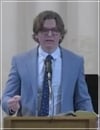
In Eric Van Beek's sermon titled "Our God Is A Consuming Fire," the main theological topic addressed is the nature of God as both holy and consuming, particularly as depicted in Hebrews 12:14-29. The sermon articulates key points comparing the old covenant, represented by Mount Sinai, to the new covenant through Christ, symbolized by Mount Zion. Scripture references, such as Hebrews 12:29 ("Our God is a consuming fire") and other passages from Hebrews, support the argument that God's essential nature remains unchanged across covenants despite the differing contexts of law and grace. The significance of this teaching lies in the call to recognize God's holiness and maintain a healthy fear of Him, as neglecting this reality leads to spiritual peril, with a warning against false security attached to the grace of God.
“The same God who gave his law from Sinai also spoke his gospel from Calvary.”
“Under both covenants, old and new, we have the same reason for fearing the displeasure and wrath of God.”
“In Christ, God as a consuming fire went out.”
“Anyone outside of Christ... they will be burned forever because they don't have the righteousness and the perfection to finish the fire.”
The Bible describes God as a consuming fire, indicating His holiness and the seriousness of His judgment.
Hebrews 12:29, Deuteronomy 4:24
Jesus is our mediator in the new covenant as the one who fulfills the law, allowing us to approach God through Him.
Hebrews 12:24, Hebrews 10:19-22
Fearing God is important for Christians as it cultivates a proper understanding of His holiness and authority.
Proverbs 16:6, Hebrews 10:31
Auto-generated transcript • May contain errors

Comments
Your comment has been submitted and is awaiting moderation. Once approved, it will appear on this page.
Be the first to comment!