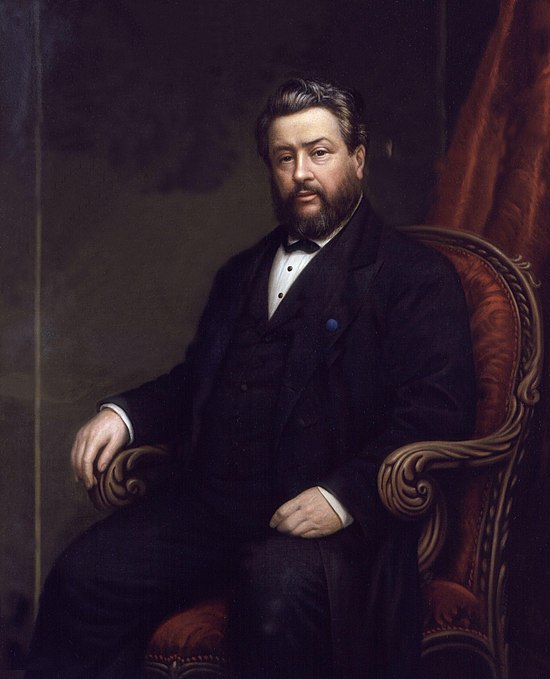
C. H. Spurgeon's sermon "Poor Huckster or Happy Jack" addresses the doctrine of human depravity and the sufficiency of Christ as Savior. Through the narrative of a man named Jack, who identifies himself simply as a "poor sinner" while declaring that "Jesus Christ is my all in all," Spurgeon emphasizes the essential truth that salvation is found solely in Christ due to our inherent sinfulness. The primary Scripture reference, Romans 10:5-9, underscores the accessibility of salvation through faith, reinforcing the idea that acknowledgment of one's sinfulness is necessary to truly grasp Christ's saving grace. The practical significance of the sermon lies in its call for believers to embrace their identity as sinners in need of Christ, thus fostering a humble and reliant faith that does not depend on self-righteousness or personal experiences, but on the promise of Christ's sufficiency.
Key Quotes
“I am a poor sinner, and nothing at all, but Jesus Christ is my all in all.”
“Christ's fullness is meant for our emptiness. Christ's righteousness is meant for our sin.”
“When you and I are no longer sinners, Christ is no longer our Savior.”
“Jesus came into the world to save real sinners, not sham sinners, for He is a real and not a pretended Savior.”
The Bible teaches that all have sinned and fall short of the glory of God.
In Romans 3:23, it is clear that all have sinned and fall short of the glory of God. This universal condition of sin highlights our need for a savior. Just as Huckster Jack recognized himself as a 'poor sinner and nothing at all,' scripture affirms that acknowledging our sinful state is the first step toward redemption. We can see throughout the Bible that Jesus came to save sinners, emphasizing the necessity of recognizing our need for Him.
Romans 3:23, 1 Timothy 1:15
Jesus is our all in all because His fullness meets our emptiness.
In the sermon, it is stated that Christ's fullness is meant for our emptiness and His righteousness is meant for our sin. As long as we recognize ourselves as poor sinners, we can certainly affirm that Jesus is our all in all. The essence of salvation lies in this relationship; the awareness of our need leads us to fully depend on Christ, who fulfills every requirement for our redemption. Thus, in acknowledging our insufficiency and Christ's sufficiency, we can be assured of His lordship in our lives.
Colossians 2:10, Philippians 4:19
Understanding our sinfulness is crucial as it reveals our need for Christ's salvation.
Recognizing our sinfulness is foundational to Christian faith. It reminds us that even in our best state, we are still in need of Christ’s ongoing grace. As noted in 1 John 1:8-9, if we say we have no sin, we deceive ourselves, and the truth is not in us. The acknowledgment of our continual need for Christ helps us to understand the depth of His sacrifice and the necessity of His blood for our cleansing. This should lead us to greater humility and dependence on Him in our daily lives.
1 John 1:8-9, Romans 7:18
Saving grace refers to God's unmerited favor that brings sinners to salvation.
Saving grace is God's unmerited favor bestowed upon sinners, enabling them to believe in Jesus Christ for salvation. This grace is not earned through works but is received through faith, as Paul explains in Ephesians 2:8-9. The analogy of Huckster Jack illustrates this concept; he was accepted into the fold not based on his experience but simply by professing his need for Christ. Grace operates in our lives to transform us from being lost to being found, making our salvation wholly reliant on Christ's finished work on the cross.
Ephesians 2:8-9, Romans 5:1-2
Comments
Your comment has been submitted and is awaiting moderation. Once approved, it will appear on this page.
Be the first to comment!
