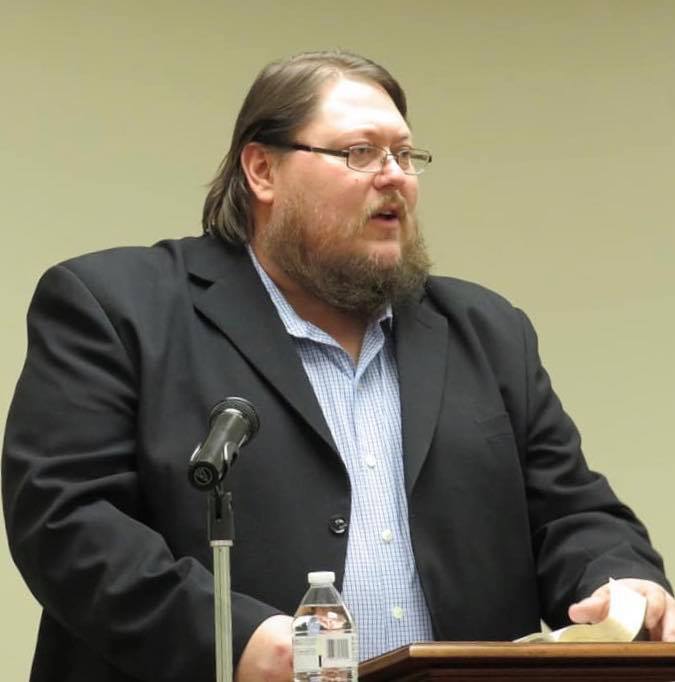
The sermon titled "An Immutable Repenter??" by Mikal Smith addresses the doctrine of God's immutability, particularly focusing on Malachi 3:6, "I am the Lord, I change not." The preacher argues that God's unchanging nature affirms His truthfulness and faithfulness, especially in relation to His election of certain individuals for salvation. Smith contrasts human perceptions of change and repentance with the biblical teaching that God does not alter His decrees or character. He references Scripture passages including Numbers 23:19 and James 1:17 to reinforce that God's purposes are steadfast and not subject to variability. The practical significance of this doctrine is the assurance it provides believers that God's promises, especially regarding salvation and judgment, are irrevocable and secured through Christ's substitutionary atonement.
Key Quotes
“If God claims to be a God that cannot lie, then we know that God cannot lie.”
“Every sin of every human being that has ever been will be punished. It's either going to be punished in the individual or in the person for whom Christ died.”
“God’s timeline, God’s choice, God’s declaration of all things, the end from the beginning, is one continuous timeline that doesn’t deviate, it doesn’t curve, it doesn’t splinter.”
“From our perspective, man changed, therefore God reacted and did something. From our perspective, that’s what it is.”
The Bible affirms that God is immutable, meaning He does not change in His character, purpose, or promises.
The concept of God's immutability is firmly rooted in Scripture, particularly in Malachi 3:6 where God states, 'For I am the Lord, I change not.' This reveals that God’s nature, purposes, and promises remain constant. Unlike humans who may change their minds or actions based on circumstances, God does not have variability. His decisions and intentions are steadfast, which provides believers with assurance in His unchanging love and faithfulness. Numbers 23:19 reiterates this by declaring that 'God is not a man, that he should lie; neither the son of man, that he should repent;' highlighting that God does not experience change of mind or heart like mankind does.
Malachi 3:6, Numbers 23:19
God does not lie because His nature is truth, as stated in Scripture; what He declares is always fulfilled.
The assurance that God does not lie is rooted in His holy nature. In Numbers 23:19, it is declared, 'God is not a man that He should lie,' illustrating that God's essence and character are entirely truthful. This means that when God makes promises or declarations, He fulfills them without fail. The fulfillment of His promises is foundational to the believer's trust in God. Similarly, James 1:17 speaks of God as the Father of lights ‘with whom is no variableness, neither shadow of turning,’ further affirming His absolute reliability. Every promise made by God is guaranteed because He cannot contradict His own nature.
Numbers 23:19, James 1:17
God's sovereignty assures Christians that He is in control of all events, ensuring His ultimate purpose prevails.
The sovereignty of God is a cornerstone of Christian faith, underscoring that God is in ultimate control over all creation and history. This theology provides profound comfort to believers, as it emphasizes that nothing occurs outside of God's ordained purposes. Scripture reveals that God 'declared the end from the beginning' (Isaiah 46:10), illustrating that all events unfold according to His divine plan. Understanding God's sovereignty helps believers navigate trials and uncertainties in life with faith and confidence, knowing that God's will is sovereignly working for their good and His glory. Furthermore, this sovereignty links directly to the assurance of salvation; God has chosen a people for Himself, ensuring that His plan of redemption through Christ cannot fail.
Isaiah 46:10
God’s foreknowledge and sovereign will are intertwined, demonstrating that all events occur as He has predetermined.
The relationship between God's foreknowledge and His sovereign will is a profound mystery of faith. Scripture teaches that God possesses perfect knowledge of all things, including the future actions of His creation. This foreknowledge does not act independently of His will; rather, it is part of His divine design. Ephesians 1:11 states that God works 'all things after the counsel of His own will,' revealing that even the most minute events fall under His sovereign decree. Thus, God's foreknowledge does not suggest a passive observation of events; rather, it affirms His active involvement in history, ensuring everything unfolds in accordance with His divine plan. Consequently, believers can have confidence that God's purposes will be realized and sinners will not thwart His will.
Ephesians 1:11

Comments
Your comment has been submitted and is awaiting moderation. Once approved, it will appear on this page.
Be the first to comment!