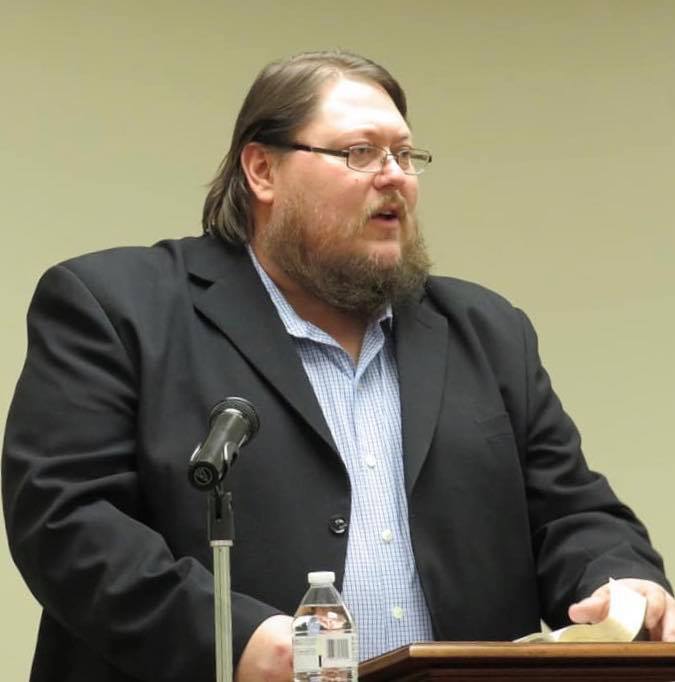
The sermon titled "Christ Our Sacrifice" by Mikal Smith addresses the central theological topic of the sufficiency of Christ's sacrifice in relation to the believer's sanctification and righteousness. Smith argues that true holiness cannot be achieved through human efforts or adherence to the law, but only through Christ's perfect sacrifice. He supports his arguments with Scripture, particularly referencing Romans 12:1-2, where presenting oneself as a "living sacrifice" is seen not as a call to legalistic obedience but a recognition of Christ's completed work, which is further elucidated through other texts such as Hebrews 10 and Galatians 5. The practical implications of this doctrine remind believers that their identity and righteousness are firmly anchored in Christ, thus encouraging a reliance on grace rather than self-effort for spiritual growth and acceptance before God.
“We cannot be made perfect by the law. It never was intended for that purpose.”
“If we try to keep the law, all it's going to do is day by day by day completely tell us You're not able.”
“We are made accepted before God by one way, by being in Christ Jesus.”
“Walking in the Spirit is not walking in the works of the flesh. The works of the flesh are the things that we do outwardly.”
The Bible instructs believers to walk in the Spirit to resist the desires of the flesh (Galatians 5:16).
Galatians 5:16
Salvation is a gift of grace and not based on human works or merit (Ephesians 2:8-9).
Ephesians 2:8-9
Christ's sacrifice is essential as it fulfills the requirement for atonement and provides believers with righteousness (Hebrews 10:10).
Hebrews 10:10
Auto-generated transcript • May contain errors

Comments
Your comment has been submitted and is awaiting moderation. Once approved, it will appear on this page.
Be the first to comment!